
Why Beard Hair Tangles and How to Stop It
Your beard should not feel like it spent the night wrestling a thorn bush. If you are wondering why beard hair tangles, the short answer is this: facial hair is naturally coarse, grows in several directions, and gets rougher when it is dry or neglected. Add friction from your collar, pillow, hands, and a little bad weather, and those loose strands start locking together like they have a personal grudge.
The good news: tangled beard hair is usually a grooming problem, not a beard problem. You do not need a 14-step bathroom ritual or a degree in Viking beard sorcery. You need moisture, the right tool, and a routine you can actually stick with.
Why Beard Hair Tangles in the First Place
Beard hair is not the same as the hair on your head. It is often thicker, wirier, and more likely to bend or curl as it grows. Those bends create places where neighboring hairs catch on each other. The longer your beard gets, the more opportunities it has to knot up.
Texture plays a major role. Curly and coily beards tend to tangle more because each strand loops and crosses nearby strands. Straight beards can tangle too, especially when they are dry, damaged, or dense. A thick beard can hide a whole mess beneath the surface while looking decent from the front. Then your comb hits a snag, and suddenly it is battle stations.
Dryness makes the problem worse. When facial hair loses moisture and natural oils, its outer layer becomes rougher. Rough strands grab each other instead of sliding past one another. Skin underneath matters, too. If the skin below your beard is dry and flaky, the beard may feel stiff, look dull, and refuse to cooperate.
There is also plain old friction. Your shirt collar rubs your beard throughout the day. Your pillowcase does its thing overnight. Scarves, helmets, gym towels, and constantly stroking your beard can all stir up tangles. None of this means you have failed at being bearded. It means your beard lives in the real world.
Water Can Help - and Hurt
A warm shower softens beard hair temporarily, which is why it can feel easier to comb right after washing. But washing too often, using harsh body soap, or scrubbing aggressively can strip away the oils that keep hair flexible. That leaves you with a clean beard that tangles faster by lunchtime. Not exactly the heroic result you were after.
Hard water can contribute as well. Mineral buildup may leave hair feeling coated, stiff, or harder to manage. If your beard behaves better away from home or feels squeaky after a shower, your water may be part of the plot.
The Tangle Triggers Most Guys Miss
A beard does not need to be long to knot. Even short, dense growth can mat near the chin, jawline, and under the neck, where hairs point in every possible direction. The trouble is often less about length and more about condition and grooming habits.
The biggest mistake is trying to power through a knot with a tiny plastic comb or, worse, your fingers. Yanking can snap hairs, create split ends, and leave the beard looking thinner over time. A beard is tough, but it is not chain mail.
Product buildup is another quiet culprit. Heavy waxes, too much balm, or leftover shampoo can make hair sticky and stiff. That does not mean styling products are the enemy. It means the amount and formula need to suit your beard. A short beard may only need a few drops of oil, while a fuller beard can handle more conditioning and light hold.
Skipping trims can also invite tangles. Trimming does not make hair grow faster, despite what every barbershop legend claims. It does remove damaged, frayed ends that catch more easily. If your beard suddenly feels more knotty at the bottom than it did a month ago, inspect those ends.
How to Detangle a Beard Without Starting a War
Never attack a dry, stubborn knot at full force. First, give the beard some slip. After a shower or a warm rinse, pat it until it is damp, not dripping. Work a small amount of beard oil through the hair, reaching the skin underneath before smoothing the rest over the length.
Start detangling at the tips, not the roots. Hold the section of beard above the knot with one hand so you are not pulling hard on your face. Then use a wide-tooth beard comb or a quality beard brush to gently work through the ends. Once the ends move freely, work upward a little at a time.
If a knot refuses to budge, add another small amount of oil and use your fingertips to separate the strands before combing again. Patience beats brute force here. You are trying to preserve hair, not win an arm-wrestling contest against your chin.
A brush is useful for distributing oil, training hairs downward, and smoothing the outer layer. A comb is better for getting through a dense or longer beard and separating strands with precision. Many guys get the best result by using both: comb first to remove snags, then brush to shape everything into a beard that looks like it has its act together.
A Simple Routine That Keeps Knots Away
Consistency is the whole game. You do not have to groom for half an hour every morning. Five focused minutes can make a serious difference.
Wash your beard a few times a week with a beard-friendly cleanser, adjusting based on your skin type, activity level, and how much product you use. If you work out daily, work outdoors, or have particularly oily skin, you may need to wash more often. If your skin gets dry or itchy, scale it back and rinse with water on off days.
After washing, apply beard oil to a damp beard. The oil helps soften the hair and supports the skin beneath it. Start small. A few drops are enough for short growth, while a long, full beard may need more. Rub it between your palms, massage it to the skin, then pull the remaining oil through the lengths.
Comb or brush after oiling, following the direction you want the beard to sit. Do this daily, even on days when your beard looks mostly fine. That small habit prevents loose hairs from gathering into a knotty little rebellion.
For medium to long beards, beard balm can add light control after oil. It is especially useful in dry winter air, windy weather, or when your beard expands sideways like it is claiming new territory. Use enough to tame flyaways, not enough to turn your beard into a wax museum exhibit.
At night, take 30 seconds to comb out any debris and tangles before bed. It sounds almost too simple, but it stops the day’s friction from becoming tomorrow’s full-scale beard crisis. If you wake up with a tangled beard often, a smoother pillowcase can reduce overnight drag, although it will not replace conditioning and regular grooming.
When Tangling Means You Need a Trim
Some tangling is normal. Constant knots, sudden breakage, or a beard that feels crunchy even after conditioning may be telling you it is time for a cleanup. Look for split ends, uneven sections, and wispy hairs that snag every time the comb passes through.
You can trim small damaged ends at home if you have sharp grooming scissors and a steady hand. For a major reshape, let a barber set the foundation, then maintain it yourself. The trade-off is simple: keeping every millimeter of length may feel satisfying, but holding onto damaged ends usually makes a beard look less full and harder to manage.
If your skin is persistently red, painful, heavily flaky, or irritated beneath the beard, do not just bury the issue under more product. A dermatologist can help rule out conditions that need more than a new comb and a little oil.
Build a Beard That Behaves
A tangle-free beard is not about making facial hair look overly polished. It is about keeping it soft, healthy-looking, and under your command. The right basics do the heavy lifting: gentle cleansing, daily conditioning, a proper comb or brush, and the discipline to detangle before a knot gets ugly.
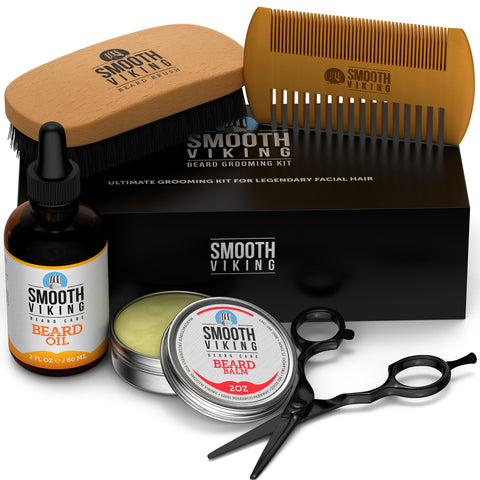
Smooth Viking beard oil, balm, and grooming tools are built for exactly that kind of no-nonsense maintenance. Pick the routine you will use, stick with it for a couple of weeks, and let your beard learn who is in charge. Your face is your territory. Keep it looking conquered.