
Beard Dandruff Treatment That Actually Works
You catch beard flakes on a black shirt five minutes before heading out, and suddenly your face is acting like a snow machine. Annoying? Absolutely. Fixable? Also yes. The right beard dandruff treatment usually comes down to one simple truth: your skin under the beard is dry, irritated, overwashed, neglected, or all of the above.
Beard dandruff is not some cursed side effect of looking rugged. It is usually your skin asking for a better routine. Once you stop treating your beard like the hair on your head and start caring for the skin underneath it, the flakes usually calm down fast.
What causes beard dandruff in the first place?
Most beard flakes are really dead skin mixed with dryness. The skin under your beard gets less airflow, catches sweat, traps product, and can become irritated if you use harsh cleansers or scrub like you are sanding a deck. If that skin barrier gets thrown off, flaking shows up.
Sometimes the cause is plain old dry skin. Cold weather, hot showers, low humidity, and strong soaps can strip natural oils. In other cases, it is irritation from fragrance-heavy products, leftover shampoo residue, or grooming tools that are not exactly clean.
There is also the possibility of seborrheic dermatitis, which is a fancier way of saying your skin is inflamed and extra flaky, often with redness and itching. If your beard dandruff looks greasy, keeps coming back no matter what, or spreads around the nose and eyebrows, that may be what you are dealing with. That does not mean panic. It just means your beard dandruff treatment may need a different approach.
The best beard dandruff treatment starts at the skin
A lot of guys make the same mistake. They try to fix flakes by loading random product onto the beard hair itself while ignoring the skin under it. That is like waxing a truck with a dead battery. Wrong target.
Start with washing less aggressively. If you are using regular bar soap, body wash, or your hair shampoo on your beard every day, there is a good chance you are making the problem worse. Beard hair is coarse, and the skin under it is easy to dry out. A gentle beard wash a few times a week is usually enough for most men, especially if you are not sweating hard every day.
When you wash, use lukewarm water instead of hot. Hot water feels great for about thirty seconds and then leaves your skin cranky. Work the cleanser down to the skin with your fingertips, rinse thoroughly, and pat dry. Do not go to war with a towel.
Once the beard is clean and slightly damp, use beard oil. This is where a lot of the magic happens. A good beard oil helps soften the hair, but more importantly, it conditions the skin underneath. That is the part that helps reduce dryness, tightness, and those annoying white flakes that make your beard look like it lost a fight with a powdered donut.
How to use beard oil for beard dandruff treatment
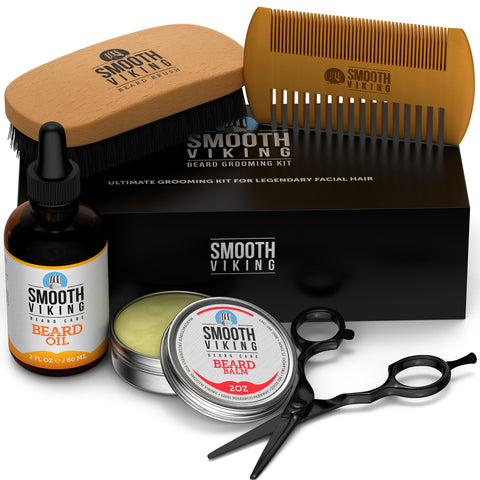
Use a few drops at first, then adjust based on beard length and thickness. Rub the oil between your palms and work it into the beard, making sure your fingers actually reach the skin. If the oil is only sitting on top of the hair, you are missing the point.
A beard comb or beard brush helps distribute the oil evenly. It also lifts the hair enough to get product where it needs to go. If your beard is short, you may only need a few drops once a day. If it is thicker or longer, morning and night can make sense, especially in dry weather.
There is a trade-off here. Too little oil and the skin stays dry. Too much and your beard can feel greasy or attract dirt faster. The sweet spot is a beard that feels soft and conditioned, not slick enough to fry eggs on.
Exfoliation helps, but calm down
If flakes are already built up, gentle exfoliation can help your beard dandruff treatment work faster. The key word is gentle. You are trying to loosen dead skin, not punish your face.
A beard brush with soft to medium bristles can help lift flakes and spread oils. Use it with a light hand. Brushing too hard can make irritation worse, especially if your skin is already inflamed. For some guys, brushing daily works well. For others, every couple of days is enough. It depends on your skin sensitivity, beard texture, and climate.
Skip harsh face scrubs packed with rough particles. They can create tiny irritation and make flaky skin angrier. If your beard area feels raw, hold off on exfoliation until the skin calms down.
When your routine is causing the problem
Sometimes beard dandruff is not from what you are missing. It is from what you are doing too much.
Overwashing is a common culprit. So is using head shampoo, which is often made to cut oil more aggressively than beard skin can handle. Heavy styling products can also build up if they are not rinsed out properly. Even trimming with dirty tools can irritate the skin and stir up flaking.
If your current routine looks like wash every day, hot shower, random soap, zero moisturizer, and occasional scratching like you are trying to start a fire under your jaw, there is your answer.
A better routine is simple. Cleanse gently. Pat dry. Apply beard oil. Comb through. Use beard balm if you need extra control and added moisture for longer beards. That is beard maintenance, not a full-time job.
Beard dandruff treatment for itchy, red skin
If flakes come with itching or redness, go easier on everything. Use fewer products, not more. Fragrance and harsh ingredients can irritate already sensitive skin. Look for beard care products that focus on conditioning and moisture rather than strong hold or heavy scent.
This is also where consistency matters. One day of beard oil will not erase weeks of dryness. Give a new routine at least one to two weeks unless something burns, stings, or makes the redness worse. If that happens, stop using that product.
If your beard area stays inflamed, looks yellowish or greasy, or feels sore, you may be dealing with more than basic dryness. A medicated dandruff shampoo used carefully on the beard area a few times a week can sometimes help with seborrheic dermatitis, but it depends on your skin. Some formulas are effective but drying, so beard oil or a light moisturizer afterward often matters just as much.
Lifestyle stuff matters more than most guys want to admit
You do not need to become a wellness monk to fix beard flakes, but a few basic habits help. If you are dehydrated, living in indoor heat all winter, taking lava-hot showers, and sleeping four hours a night, your skin may show it.
Weather plays a big role too. Winter air can dry out the beard area fast. In summer, sweat and product buildup can create a different kind of irritation. Your beard dandruff treatment should adjust with the season. More moisture in cold months, better cleansing after heavy sweat in hot months.
Even your pillowcase can contribute if it is dirty and rubbing against your face every night. Not glamorous, but true.
When to see a dermatologist
Most beard dandruff improves with a better grooming routine, but not every flaky beard is just dry skin. If you have persistent redness, painful skin, patchy hair loss, open sores, or flakes that do not improve after a few weeks of consistent care, get it checked out.
A dermatologist can tell the difference between dryness, eczema, fungal issues, psoriasis, and seborrheic dermatitis. That matters because the right fix depends on the actual cause. Guessing your way through it can waste time and make the beard area more irritated.
A simple routine that usually works
For most men, the fix is not complicated. Wash your beard with a gentle cleanser a few times a week. Use lukewarm water. Dry it without rubbing like a maniac. Apply beard oil daily and make sure it reaches the skin. Use a beard comb or brush to distribute it. Add beard balm if your beard is longer, rougher, or needs extra moisture and control.
That is it. No ceremony. No ten-step ritual lit by mountain torches.
A solid beard should look intentional, not flaky. Treat the skin under it like it matters, and your beard usually falls in line. Even a stubborn face mane can be brought to heel with the right routine, a little patience, and products that do their job without making yours harder.