
How to Hydrate a Beard Without Greasiness
A dry beard can make a sharp man look like he lost a fight with a tumbleweed. The fix is not dumping half a bottle of oil into it. To hydrate beard without greasiness, you need the right amount of moisture, applied to the right place, at the right time. Your beard should feel soft, look controlled, and not leave a shiny calling card on every coffee cup in sight.
The secret is simple: hydrate the skin under the beard first, then use only enough product to condition the hair and tame the flyaways. Your face is not a frying pan. Treat it accordingly.
Why Your Beard Feels Dry but Looks Oily
This is the grooming riddle that gets plenty of guys. You apply beard oil because the hair feels rough. A few hours later, your beard looks slick, your cheeks feel heavy, and the skin beneath is still itchy. What gives?
Usually, too much product is sitting on the surface instead of being worked down to the skin. Beard hair pulls moisture away from the face, especially when it is longer, wiry, or exposed to cold air, dry indoor heat, sweat, and frequent washing. Oil can help soften hair and reduce that stripped feeling, but it does not replace good skin care or a smart application routine.
Greasy-looking beards also come from using a product that is too heavy for your beard length, density, or skin type. A thick, coarse beard can handle more conditioning than a short beard with naturally oily skin. There is no medal for using the biggest possible pour. A disciplined drop count wins the battle.
Start With Water, Not Oil
Hydration begins with water. Oil helps slow moisture loss, but it cannot magically add water back to skin that is already dry and neglected. That is why beard products work best after a shower or after rinsing your face with lukewarm water.
Pat your beard dry with a towel until it is damp, not dripping. This matters. If the beard is soaking wet, product can slide around without settling in. If it is bone dry, you are mostly coating the outer hairs. Damp hair gives you a better shot at softening the beard without creating shine overload.
Avoid blasting your face with hot water every time you wash. It may feel glorious for about 30 seconds, then it can leave skin feeling tight and stripped. Lukewarm water does the job without declaring war on your skin barrier.
Wash Less Aggressively
A beard that gets shampooed like a football jersey will often fight back with dryness, rough texture, and irritation. Facial hair does collect food, sweat, and the occasional evidence of a great burger, so cleaning matters. But harsh cleansers or daily over-washing can remove the natural oils that keep skin and hair comfortable.
For most men, a gentle beard wash a few times a week is plenty. Rinse with water on other days and adjust if you work in dust, sweat heavily, or use a lot of styling product. If your beard feels squeaky after washing, that is not a victory. It is a warning horn.
Use the Right Amount of Beard Oil
More beard oil does not mean more hydration. It means more chances of looking like you polished your face with bacon grease.
Start small. For short stubble, one to two drops is usually enough. A medium beard may need two to four drops. Longer or very dense beards can often handle four to six drops, though you should add gradually rather than dumping a full dropper into your palm like a berserker with no plan.
Warm the oil between your hands for a few seconds. Then massage it into the skin beneath your beard first. Use your fingertips to reach the jawline, cheeks, chin, and the area under the mustache. Once the skin has been covered, run what remains through the beard hair from roots to ends.
If your hands still look wet after application, you probably used too much. If your beard feels oily by lunchtime, cut the amount in half the next morning. Your ideal dose is the smallest amount that leaves the beard softer and more manageable.
Hydrate Beard Without Greasiness by Layering Smart
The best routine changes with your beard, your skin, and the day ahead. Think of beard oil as conditioning support, not the only tool in the Viking armory.
For a short beard, light oil on damp skin may be all you need. For a medium or long beard, use a modest amount of oil for softness, then finish with a small amount of beard balm if you need shape and flyaway control. Balm is especially useful when your beard gets wild around the cheeks or sticks out at the chin like it has its own battle plans.
The trade-off is straightforward. Oil is usually better for softness and skin comfort. Balm adds more hold and can make a beard look fuller, but too much can feel waxy or heavy. If your beard is fine or your skin gets oily easily, favor a lighter touch with oil and reserve balm for the areas that actually need control.
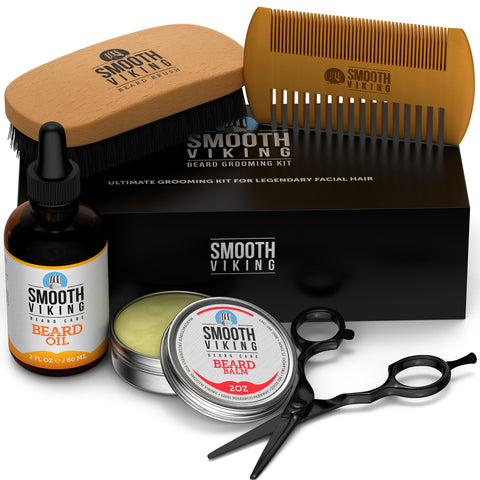
A quality beard balm such as Smooth Viking Beard Balm can make sense when you want conditioning and shape in one fast step. The key is still restraint. Scrape out a pea-size amount, melt it between your palms, and work it through the beard evenly. Your goal is a beard that obeys orders, not one that looks shellacked.
Brush It Through or Wear the Excess
Product that sits on top of your beard is product waiting to betray you. A beard brush or comb spreads it from the roots through the ends, helping you get a more even finish with less product overall.
After applying oil or balm, brush downward and outward in the direction you want your beard to grow. This distributes the conditioner, separates clumped hairs, and helps train the beard into a cleaner shape. For longer beards, start near the skin and work toward the ends with steady, gentle strokes. Do not rake through knots like you are clearing a forest trail. Pulling hard can cause breakage and irritation.
If your beard looks shiny after brushing, press a clean towel lightly against the surface. Do not scrub. You are lifting excess product, not undoing the whole routine.
Check the Rest of Your Routine
Sometimes the beard product gets blamed for a greasy finish when the real culprit is nearby. Heavy face moisturizer, sunscreen, styling cream transferred from your hands, or even your habit of touching your beard all day can add unwanted shine.
Use a lightweight facial moisturizer that works for your skin type, especially if you have dry or flaky skin under the beard. Let it absorb before applying beard oil. If you are prone to acne or clogged pores, choose products with a lighter feel and keep beard oil amounts conservative. Men with very dry skin may need a little more conditioning, while men with oily skin may do better using oil only every other day or only on the driest sections.
Weather has a vote, too. Winter air and indoor heating can make a beard thirsty. Summer heat, humidity, and sweat can make the same amount of oil feel like too much. Adjust your routine instead of following the exact same drop count year-round.
Signs You Have the Balance Right
You have found the sweet spot when the skin under your beard feels comfortable, the hair bends instead of scratching, and your beard holds a tidy shape without looking wet. It should feel touchable, not slippery. It should smell fresh, not like a product aisle ambush.
Give a new routine about a week before judging it. Your skin and beard may need a few days to settle after you stop over-washing or cut back on product. If flaking, itching, redness, or painful bumps continue, take a break from new products and consider checking with a dermatologist. A beard is legendary. Angry skin is not.
Your best beard routine is not the one with the most steps. It is the one you will actually do before heading out the door: damp beard, a few controlled drops, a quick brush, and enough confidence to conquer the face you were born with.