
How to Start Beard Routine Without Guesswork
Your beard does not need a 12-step ritual, a chemistry degree, or a bathroom counter that looks like a barber shop exploded. It needs consistency. If you are figuring out how to start beard routine habits that make a real difference, start by treating the skin under your beard as seriously as the beard itself. Healthy skin grows better-looking facial hair. That is the whole game.
Whether you are growing fresh stubble, working with a short boxed beard, or trying to bring an unruly mane back under Viking control, a simple routine beats random product use every time.
Start Your Beard Routine With the Basics
The best beard routine is the one you will actually do when you are running late, half-awake, and one coffee away from being civilized. Begin with three jobs: keep your face clean, add moisture, and guide the hair where it belongs.
For most men, that means a gentle cleanse, beard oil, and a comb or brush. Add balm when your beard gets longer or needs extra control. That is enough to solve the usual suspects: itch, flakes, dry-looking hair, wild sides, and the dreaded beard that somehow looks bigger on one side.
Do not buy every product on day one. More products do not automatically mean more glory. Build the habit first, then add what your beard actually needs.
Step 1: Wash Without Stripping Your Beard
Facial hair catches sweat, food, dead skin, and whatever else the day threw at your face. Washing matters. Scrubbing it raw does not.
Use lukewarm water and a beard-friendly cleanser a few times per week, or more often if you work out hard, work outside, or get noticeably greasy. Regular body soap can leave both beard hair and skin feeling dry because it is often made to cut through oil aggressively. That stripped, squeaky-clean feeling is not a badge of honor. It can lead to itchiness, flakes, and your skin making extra oil to compensate.
On days you do not cleanse, rinse your beard thoroughly in the shower if needed. Then pat it dry with a towel. Do not attack it like you are sanding a deck. Wet beard hair is more fragile, and rough towel-drying can create frizz and breakage.
If you have very short stubble, focus on cleansing the skin beneath it. If your beard is longer, work the cleanser down to the roots with your fingertips before rinsing fully.
Step 2: Use Beard Oil While Your Beard Is Slightly Damp
Beard oil is where a basic routine starts to feel like you have your act together. It softens coarse hair, helps reduce that dry, scratchy feeling, and gives the skin underneath some needed moisture.
The timing matters. Apply it after a shower or face wash, when your beard is towel-dried and still slightly damp. A little remaining moisture helps the oil spread across the hair and skin instead of sitting on top like a shiny helmet.
Start small. For stubble or a short beard, two to three drops is usually plenty. A medium beard may need three to five. Bigger beards can take more, but add gradually. You can always use another drop. You cannot un-grease your face before your morning meeting.
Rub the oil between your palms, then work it into the skin first. Use your fingertips to reach beneath the beard, especially around the jawline, chin, and mustache area. After that, run your hands through the length of your beard. This is not just about making the hair look polished. The skin is the soil. Take care of it, and the beard has a better chance of looking strong.
Step 3: Comb or Brush It Into Formation
A beard grows in multiple directions because apparently your face enjoys chaos. Combing or brushing gives it a direction and trains the hair over time to sit more neatly.
Use a beard comb for precision, especially if you have a short-to-medium beard or need to work through the mustache. Start at the neck and move outward and down with gentle strokes. If you hit a snag, do not yank. Hold the beard near the root with one hand and work through the tangle slowly.
A beard brush is especially useful for fuller beards. It distributes oil, lifts out loose hairs, and helps the beard look denser and more even. Brush from the cheeks down toward the jaw, then shape the chin area forward or down depending on the style you want.
You do not need to comb your beard 40 times while staring dramatically out a window. One focused minute is enough. The goal is direction, not a full cardio session for your arm.
Step 4: Bring in Beard Balm When You Need Control
Beard oil moisturizes. Beard balm moisturizes and gives you more hold. If your beard puffs outward, has wiry flyaways, or refuses to hold a shape longer than five minutes, balm earns its place.
Scrape out a small amount with the back of your thumbnail, warm it between your palms until it melts, and work it through the beard. Again, start with the skin and roots before smoothing the outer layer. Follow with a comb or brush to set the shape.
For a short beard, you may only need balm on special occasions or dry days. For a medium or long beard, it can be part of your daily lineup. There is no universal rule carved into a stone tablet. Your length, hair texture, climate, and preferred style all matter.
Use oil and balm together if your beard is especially dry or thick. Oil goes on first for skin-level moisture. Balm follows for hold and a more finished look. If that feels too heavy, use one in the morning and the other at night, or alternate them based on the day.
Step 5: Set a Trimming Schedule That Fits Your Goal
Growing a beard does not mean abandoning the scissors until your face becomes folklore. Even if you want more length, light maintenance helps the beard look intentional while it grows.
For a newer beard, resist the urge to carve sharp lines every other day. Give it a few weeks to reveal its natural density and growth pattern. Then clean up the obvious strays on the cheeks, mustache, and neckline.
Your neckline should usually sit above the Adam's apple, not directly on it. A practical guide is to place two fingers above your Adam's apple and create a gentle curve from there toward the back of each jaw. Going too high makes a beard look like it is trying to escape your face. Going too low can look unfinished.
The cheek line depends on what grows naturally. If you have strong cheek growth, clean up only the hairs clearly above your natural line. If your cheeks come in lighter, do not chase a razor-sharp line that removes half your beard. Work with the beard you have, not the beard from a cologne commercial.
Trim every one to two weeks if you like a tight, short style. For longer growth, a small cleanup every few weeks is often enough. When in doubt, trim less. You can take more off later. Hair does not negotiate.
The Easy Morning Routine
Once you have the basics, your routine can take less than five minutes. After showering or washing your face, towel-dry your beard, apply a few drops of oil, and comb it into place. Use balm afterward if you need hold. Check your mustache, cheek line, and neckline for obvious rebellion, then get on with your day.
At night, you do not need to repeat the full production unless your beard feels dirty, sweaty, or dry. A quick rinse, gentle cleanse when needed, and a small amount of oil can be enough. Overwashing and overapplying product are common rookie mistakes. Your beard should feel soft and controlled, not coated.
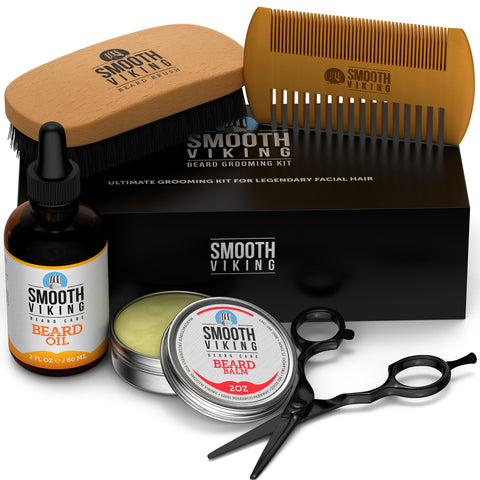
A straightforward setup from Smooth Viking can cover the core tools without turning grooming into a part-time job. The point is not to perform beard care for an audience. The point is to look sharp when the audience sees you.
When Your Beard Needs a Different Plan
Some beard problems are not fixed by adding more oil. Persistent flakes may come from dry skin, product buildup, or irritation from a harsh cleanser. Try washing less aggressively, rinsing more thoroughly, and using less product for a week to see what changes.
If you get redness, burning, painful bumps, or severe itching, stop using the product that seems to trigger it. Patch test new products when possible, particularly if you have sensitive skin or known fragrance allergies. Ongoing skin issues are worth discussing with a dermatologist. A great beard is not supposed to come at the expense of an angry face.
Patchiness is another reality check. Oil and balm can improve softness, shape, and the appearance of fullness, but they do not create new follicles. Letting a beard grow longer can help some patchy areas blend in, while a shorter, clean style may look better for others. Confidence is knowing which battle to fight and which one to style around.
Your first beard routine should feel less like a rulebook and more like a reliable pre-game ritual. Keep it clean, feed the skin, shape the hair, and adjust as your beard grows. Give it a couple of weeks of consistency before judging the results. Then look in the mirror, straighten that chin, and let your beard do its job.