
Beard Brush vs Comb: Which One Wins?
Your beard is acting up again. One side sticks out like it picked a fight with your pillow and lost, while the other looks like it gave up halfway through the day. That is usually when the beard brush vs comb question shows up. Which one actually fixes the mess, and which one just gives you something else to buy?
Here’s the straight answer: neither tool is better at everything. A beard brush and a beard comb do different jobs, and if you use the wrong one at the wrong time, your beard will let you know fast. Think of it less like choosing a winner and more like picking the right weapon before the battle starts.
Beard brush vs comb: the real difference
A beard comb is mainly for detangling, parting, and shaping. It moves through the beard with precision, which makes it useful when you want control. If your beard is longer, thicker, or prone to knots, a comb is usually your first move.
A beard brush is built to train the beard, spread product, and smooth the surface. It works more on the outside of the beard than deep inside it. That makes it great for taming flyaways, laying stubborn hairs down, and giving your beard a fuller, more polished look.
So if you want to get through the beard, grab a comb. If you want to train and finish it, grab a brush.
Simple enough. But beard length, texture, and routine matter a lot here.
When a beard comb is the better tool
If your beard has enough length to snag on itself, a comb earns its keep quickly. It separates hairs without dragging them all in one direction, and that matters when you are trying to avoid breakage. A good comb helps you work through knots, shape your beard line, and get a cleaner look before trimming.
Combs also make styling products easier to distribute through medium and long beards. If you are using beard oil or balm, a comb helps pull that product deeper into the beard instead of leaving it sitting on top. That can make the beard feel softer and look less patchy.
There is also a precision angle. A comb is better when you are trying to part the beard, define the shape around the chin, or guide hairs into a specific direction. If your beard has volume in weird places and emptiness in others, a comb gives you more control over how it sits.
That said, combs are not always gentle if you use them like a barbarian. Ripping a comb through a dry, tangled beard is a great way to pull hairs out and annoy your face. Start at the ends, work upward slowly, and do not force it.
Best use cases for a beard comb
A comb usually makes the most sense for medium to long beards, curly or coarse textures, post-shower detangling, and pre-trim shaping. It is also the better pick if your beard tends to tie itself into little knots for no reason at all.
When a beard brush is the better tool
A beard brush shines when the beard is short to medium length and needs discipline more than surgery. Brushes are especially good at training hairs to grow in a more consistent direction. If your beard sticks out at the cheeks or puffs around the jaw, brushing daily can help it learn some manners.
A brush also does something a comb cannot do as well: it spreads natural oils from your skin across the beard. That matters because dry facial hair gets wiry fast. When you brush, you help coat the beard more evenly, which can improve softness and reduce that rough, thirsty look.
If you use beard balm, a brush is one of the easiest ways to distribute it evenly while also smoothing the outer layer. The result is a neater beard that looks intentional instead of accidental.
There is another bonus here for guys chasing a fuller look. A brush can help lift and position the beard in a way that makes it appear thicker, especially in short beards. It is not magic. It is just better surface control.
Best use cases for a beard brush
A brush is usually the stronger choice for short beards, daily maintenance, product distribution, and training unruly growth patterns. It is also the move when you want a fast grooming pass before heading out the door.
Beard brush vs comb by beard length
If your beard is stubble to short, a brush usually wins. A comb can feel too sharp or unnecessary when there is not much length to work through. A brush gets closer to the skin, helps exfoliate lightly, and trains short hairs without snagging.
If your beard is medium length, you are in the sweet spot where both tools make sense. A comb helps with detangling and shaping, while a brush smooths things down and distributes balm or oil. This is where most guys stop asking beard brush vs comb and realize the answer is both.
If your beard is long, the comb becomes more important. Once the beard has real bulk, you need a tool that can reach through it. A brush still has value for finishing and training, but the comb usually does the heavier lifting.
Beard texture changes the game
Straight beards are often easier to manage with either tool, but that does not mean the choice is random. A brush helps keep straight beards tidy and flat, while a comb adds shape and helps avoid that limp, stringy look.
Wavy beards usually benefit from both. A comb can separate and shape the waves, while a brush keeps the beard from turning into a cloud around your chin.
Curly or coarse beards tend to need more patience and usually more comb time. These textures tangle more easily, and a brush alone may only smooth the surface while leaving knots hiding underneath. Still, once the beard is detangled, a brush can help train and finish the look.
If your beard is coarse and your skin is sensitive, use a lighter hand no matter what tool you choose. Grooming should not feel like sanding a table.
Do you need both?
Honestly, a lot of guys do.
If your beard is more than a few weeks old, using both tools gives you better results with less effort. The comb handles the internal chaos. The brush handles the outer appearance. One brings order. The other brings polish.
That does not mean you need a complicated routine that eats up your morning. You do not need candles, a playlist, and a beard journal. You need two minutes and a little consistency.
Run a comb through after applying oil to remove tangles and guide the shape. Follow with a brush to spread product, smooth strays, and train the beard into place. That is it. Your beard gets structure, your face looks sharper, and nobody has to know how little effort it took.
Common mistakes with either tool
The biggest mistake is using a comb on a bone-dry, tangled beard and then acting shocked when hairs come out. Add a little beard oil first, then detangle gently.
Another common mistake is brushing too aggressively. More force does not mean better grooming. It usually means more irritation, more frizz, and a beard that looks like it is fighting back.
Tool quality matters too. Cheap combs with rough edges can snag and split hairs. Cheap brushes can feel harsh or fall apart fast. A solid beard tool should move through your beard cleanly, not punish it.
And then there is timing. A comb is better when the beard needs to be worked through. A brush is better when the beard needs to be trained and cleaned up. Mix those up, and you may still get by, but it will feel like using a fork to cut steak. Possible, sure. Smart, not really.
So which one should you buy first?
If your beard is short and you mostly want it to look neat every day, start with a brush. You will get more immediate value from training, smoothing, and spreading product.
If your beard is medium to long, tangles easily, or needs shaping, start with a comb. It will solve the bigger problems first.
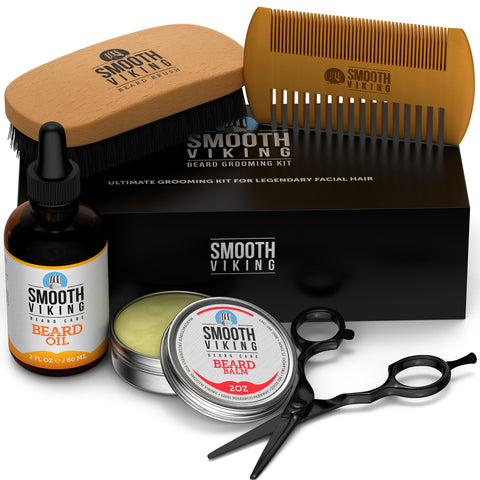
If you are building a proper grooming setup, get both and stop making your beard choose between structure and discipline. A good beard does not happen by accident. It happens when the right tool shows up at the right time.
That is the real answer to beard brush vs comb. Not a winner. Not a gimmick. Just knowing when your beard needs control, when it needs cleanup, and when it needs you to stop overthinking it and get grooming. Smooth Viking gets that. A solid tool should make your routine easier, not turn your bathroom into a science lab.
Your beard does not need drama. It needs a tool that does the job and a man who knows how to use it.