
How to Trim Beard Without Barber Help
Bad beard trims usually happen for one reason - a guy gets impatient, grabs the trimmer, and starts hacking at his face like he’s clearing a jungle trail. If you want to trim beard without barber help, the move is not speed. It’s control. A solid home trim is less about talent and more about having a plan before the first hair hits the sink.
The good news is you do not need pro-level hands or a fancy bathroom setup to pull this off. You need decent tools, good lighting, and enough discipline to trim a little, step back, and trim again. That alone will save you from the classic mistake: turning a full beard into accidental stubble because one side looked "slightly off."
What you need to trim beard without barber mistakes
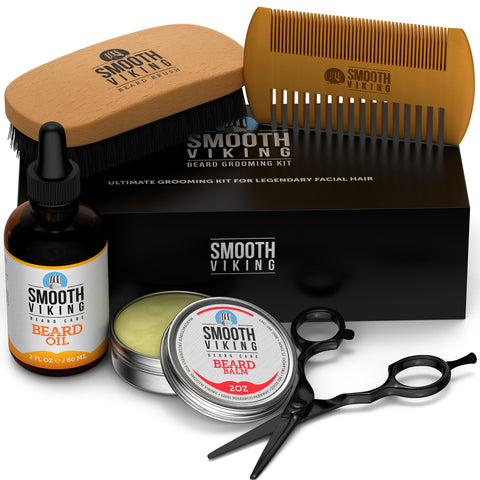
Keep it simple. You do not need a drawer full of gadgets that look like they belong in a spaceship. For most guys, a beard trimmer with guards, a pair of sharp grooming scissors, a comb, and a mirror get the job done.
A second mirror helps if you want to check side angles, and good light matters more than most men realize. Dim bathroom lighting can make a crooked neckline look straight until you walk into daylight and suddenly your beard is doing its own thing. If your beard tends to get dry or puff out, a little beard oil or balm after the trim helps settle everything down and makes the final shape look cleaner.
Start with a clean, dry beard
This is where a lot of men sabotage themselves. Wet hair hangs longer, which means if you trim it wet, it may spring up shorter once it dries. That is how a "just a little cleanup" turns into a week of regret.
Wash your beard, dry it fully, and comb it out in the direction it naturally grows. If your beard is curly or wiry, spend an extra minute here. A beard that is clean and detangled shows its true shape. That makes it much easier to spot uneven bulk, random flyaways, and areas that actually need work.
Pick your beard shape before you trim
Do not freestyle this part. Decide what you are keeping before you decide what goes.
If you already like the general shape of your beard, your job is maintenance. Keep the length close to what it is and tighten the edges. If your beard feels too bulky on the cheeks or too wild under the chin, then you are doing a reshape. That takes a lighter hand and more patience.
Face shape matters, but not in a fussy fashion-magazine way. If you have a rounder face, leaving a little more length at the chin can add definition. If you have a long face, taking too much off the sides can make it look even longer. The goal is balance, not beard geometry worthy of a battle map.
Trim the bulk first
Always start longer than you think you need. Use a higher guard on your trimmer and go with the grain first. You can always take more off. You cannot glue it back on.
Work in sections: cheeks, sides, chin, mustache, then under the jaw. Move slowly and keep your pressure consistent. If you dig the trimmer in harder on one side than the other, your beard will end up lopsided even if the guard length is the same.
After the first pass, comb the beard out again. This shows you what is truly even and what just got flattened during trimming. Most of the time, the beard looks better already, and all you need is a second light pass in a few spots.
Use scissors for the rebels
Trimmers are great for overall length. Scissors are better for the random outliers sticking past the shape. Comb the beard outward slightly and snip only the hairs that clearly break the line.
This is especially useful for the mustache and the front of the chin. Those spots can look choppy if you rely only on a trimmer. Scissors let you clean things up without taking off too much density.
The cheek line should look natural
A lot of men ruin a good beard by getting overly ambitious on the cheek line. Unless your growth runs especially high and wild, you usually do not need to carve a dramatic line. You want clean, not cartoon sharp.
Use your natural upper beard line as the guide and just remove the obvious strays above it. If you cut the cheek line too low, your beard can end up looking thinner and less masculine. Worse, it takes time to grow back, and every day in between feels like a reminder of your bad decision.
If you want a more defined look, do small touch-ups and check both sides often. Your face is not perfectly symmetrical. Trying to force identical lines is how guys keep trimming higher and higher until both sides are equally wrong.
Set the neckline without strangling your jaw
The neckline is the part that separates "intentional beard" from "I forgot my face exists." It also gets butchered all the time.
A good rule is to place two fingers above your Adam’s apple and use that as a rough center point. From there, imagine a gentle curve running up toward the back of each jawline. That is usually a strong, natural-looking neckline for most men.
Do not trim the neckline right on the jawbone. That sounds logical until you try it and your beard loses all its weight underneath. The result is often weak and patchy-looking, even if your growth is solid. Keeping the line slightly below the jaw gives your beard structure and makes your face look stronger.
How to trim beard without barber help under the chin
Under-chin bulk is where many home trims go sideways. If you only look straight into the mirror, you miss the extra weight hanging beneath the jaw. Tilt your chin up slightly and use a second angle if possible.
Trim this area gradually. Too much removal under the chin can hollow out the beard and make the front look disconnected. You want it neat, not scooped out. Think cleaner silhouette, not excavation project.
Do the mustache last
The mustache should work with the beard, not fight it for dominance unless that is the look you want. Comb it downward and trim only what hangs over your lip or sticks out beyond the shape you like.
Scissors usually give you the best control here. Cut small amounts from the center outward. If you use a trimmer, use a steady hand and stay conservative. An uneven mustache is hard to ignore because it sits front and center every time you talk, eat, or catch your reflection.
If you like a fuller mustache, keep the lower edge a little softer. If you want a tidier everyday look, clean it just enough so food does not get caught in it every time you eat tacos. Practical grooming still counts as heroic work.
Check the beard from every angle
This is the part most guys skip because they are eager to be done. Bad move. A beard can look perfect head-on and crooked from the side.
Step back from the mirror. Turn your head left and right. Comb it again. Look at the front of the chin, the transition near the sideburns, and the balance between both sides. Small asymmetries are normal. Chasing perfect symmetry usually creates bigger problems than it solves.
If one side looks slightly heavier, remove a tiny amount and reassess. Tiny is the key word. Beard trimming rewards restraint.
Finish the job so it actually looks better tomorrow
A fresh trim can look great for ten minutes and rough by afternoon if the beard is dry and sticking out in every direction. That is where finishing matters.
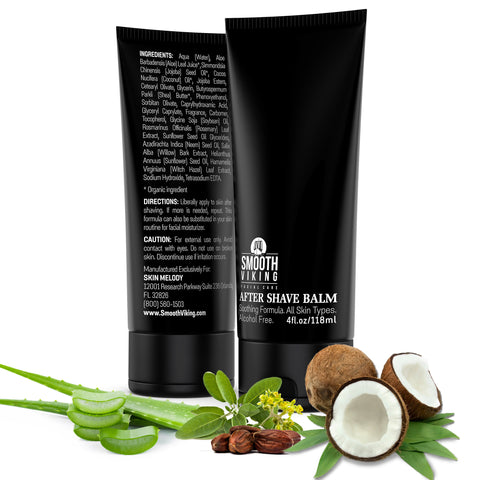
Work a few drops of beard oil through the hair if you want softness and less itch. Use balm if your beard needs more hold or shape. Brush or comb everything into place and let the product settle. This is often the moment when the trim stops looking homemade and starts looking intentional.
Smooth Viking has built its lane around making this part easy for guys who want sharp results without turning grooming into a part-time job. That kind of no-fuss routine is exactly what keeps a home trim from feeling like a gamble.
The mistakes that wreck a home beard trim
Most disasters come from the same handful of choices: trimming wet, starting too short, pushing the cheek line too low, cutting the neckline too high, or trying to fix every tiny uneven spot. Add bad lighting and impatience, and now you’re one wrong pass away from wearing your mistake for two weeks.
The fix is simple, even if it is not glamorous. Go slow. Keep the shape natural. Stop before you think you are fully done, then check again. A beard almost always looks better when it is slightly fuller than when it is over-edited.
If you trim beard without barber appointments, you also need to accept one truth: maintenance beats major overhauls. A quick cleanup every few days is easier and safer than waiting until your beard turns into a wild frontier and then trying to tame it in one session.
A sharp beard at home is not about magic hands. It is about not fighting your beard’s natural growth, using the right tools, and knowing when to put the trimmer down. Conquer your face, but do it like a man with a plan.