
What Do I Need for Beard Care?
A beard can make you look like a king or like you lost a fight with a weed trimmer. The difference usually comes down to routine, not genetics. If you’ve been asking, what do I need for beard care, the good news is you do not need a bathroom full of fancy bottles or a barber on speed dial. You need a few solid essentials, a little consistency, and the will to stop treating your face like an afterthought.
What do I need for beard care? Start with the basics
Most guys only need five things to keep a beard looking clean, healthy, and under control: a beard wash, beard oil, beard balm, a comb or brush, and a trimmer. That’s the core kit. Everything else is optional.
The reason this works is simple. Your beard has different needs than the hair on your head. Facial hair is coarser, the skin underneath gets dry fast, and random flyaways can turn a solid beard into a wild-man situation by lunchtime. The right products handle those problems without making your grooming routine feel like a second job.
If your beard is short, you may lean more on oil and a trimmer. If it’s longer or thicker, balm and a brush start earning their keep fast. Beard care is not one-size-fits-all, but it also does not need to be complicated enough to require a battle map.
Beard wash: because face soap is not enough
A proper beard starts clean. That does not mean blasting it with harsh shampoo every day until it feels like straw. Regular hair shampoo can strip too much oil from your beard and the skin underneath, which is a fast track to itch, flakes, and that rough, dry look nobody is aiming for.
A beard wash is made to clean without overdoing it. It lifts out sweat, food, oil buildup, and whatever else your beard picked up during the day, while being gentler on your face. For most guys, washing a few times a week is enough. If you work outside, hit the gym hard, or live in a hot climate, you may need it more often.
The trade-off is pretty straightforward. Wash too little and your beard gets greasy or funky. Wash too much and it gets dry and brittle. Pay attention to how your beard feels, not just what the label says.
Beard oil: the MVP for softness and skin health
If you buy one beard product first, make it beard oil. This is the workhorse. Beard oil helps soften coarse hair, reduce itch, tame frizz, and moisturize the skin underneath. That last part matters more than a lot of guys realize. A beard that feels rough often starts with skin that’s dry and irritated.
A few drops go a long way. Rub the oil between your hands, work it into the beard, and make sure some reaches the skin. That is how you fight beard dandruff, itch, and that scruffy wire-brush texture.
Short beards usually respond fast to oil because the product can reach the skin easily. Longer beards need more thorough application and sometimes a little patience. Oil improves feel and appearance, but it is not a magic spell. If your beard is damaged from bad trimming, overwashing, or neglect, give it time.
Beard balm: control, shape, and a little extra muscle
Beard oil handles softness and moisture. Beard balm steps in when your beard needs backup. Balm usually gives you conditioning plus light hold, which makes it useful for shaping, smoothing flyaways, and helping a beard look more intentional.
Think of balm as the middle ground between skin care and styling. If your beard sticks out at weird angles, gets puffy, or loses shape halfway through the day, balm can fix that. It is especially useful for medium to longer beards, where weight and direction start to matter.
Not every beard needs balm every day. If your beard is very short, oil may be enough. But once your beard starts getting fuller, balm helps keep things looking sharp instead of accidental.
Comb or brush: small tool, big difference
This is where a lot of guys slack off. They buy product, rub it in, and call it a day. Then they wonder why one side of the beard looks good and the other side looks like it has its own plans.
A beard comb or brush distributes product, detangles hair, trains growth direction, and helps the beard sit better on your face. That matters whether you’re going for a neat short beard or something fuller and more rugged.
Combs are great for detangling and working through longer beards, especially after applying oil or balm. Brushes are better for smoothing, distributing product evenly, and training shorter or medium beards. A lot of guys end up using both because they do slightly different jobs.
The real value is consistency. If you comb or brush your beard daily, it behaves better over time. Facial hair is stubborn, but it can be trained. Not with speeches. With repetition.
A trimmer or scissors: because growth without shape is chaos
A beard does not have to be short to look groomed, but it does need shape. That’s where a trimmer or a good pair of grooming scissors comes in.
A trimmer helps keep your neckline, cheek line, and overall length under control. It is the easiest way to stop a beard from drifting into uneven territory. Scissors are useful for detail work, especially if you want to snip the occasional rogue hair without taking down a whole section.
It depends on your style. If you keep a close beard, your trimmer is doing heavy lifting every week. If you wear a fuller beard, you may trim less often and focus more on cleanup than major shaping. Either way, ignoring maintenance never leads anywhere good.
One caution here: over-trimming is real. A lot of beard mistakes happen because a guy sees one uneven spot and starts chasing perfection until half the beard is gone. Step back, trim conservatively, and remember that symmetry has limits when you are working with a human face instead of a lawn.
What do I need for beard care if I’m just starting out?
If you’re growing your first real beard, keep the routine simple. You do not need the full armory on day one. Start with beard wash, beard oil, and a comb or brush. That will handle cleanliness, comfort, and basic control.
As the beard gets thicker and longer, add balm if you want more shape and a trimmer if you’re maintaining the lines yourself. That progression makes sense because your needs change as the beard changes. The beard you have at two weeks is not the beard you have at three months.
The early stage is usually where guys quit because of itch, awkward growth, or uneven patches. Oil helps with the itch. A comb helps keep things presentable. Patience handles the rest. Not every beard fills in at the same speed, and trying to force it usually ends with regret and a clean shave.
The routine that actually works
A solid beard routine should fit into real life. Wash your beard a few times a week, depending on your skin, job, and activity level. Apply beard oil daily or whenever your beard feels dry. Use balm when you need extra control or shape. Comb or brush it after product application and again as needed. Trim lightly to maintain your preferred look.
That’s it. No twelve-step ritual. No sacred mountain spring water. Just a repeatable system.
You can also adjust based on season. Winter often means more dryness, so oil and balm become more important. Summer can bring more sweat and buildup, so washing may happen a bit more often. Your beard will tell you what it needs if you stop ignoring it.
What most guys get wrong
The biggest mistake is using random products that were not made for beards. Hair gel, harsh shampoo, body lotion, and regular soap tend to create more problems than they solve. Another common mistake is expecting instant perfection. Beard care improves texture, manageability, and appearance, but it does not turn patchy growth into a lumberjack miracle overnight.
Guys also underestimate the skin underneath. If the skin is dry, irritated, or flaky, the beard will look worse no matter how much you comb it. That is why beard oil punches above its weight.
And then there’s the all-too-common strategy of doing nothing for three weeks and then trying to fix everything in one aggressive trim session. Your beard wants steady maintenance, not occasional panic.
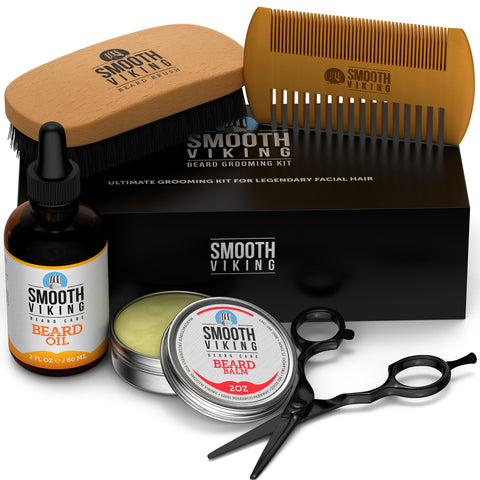
If you want an easy path, a simple grooming kit from a brand like Smooth Viking can take the guesswork out of building your setup. The main thing is having the right tools and using them often enough to matter.
A good beard does not come from owning the most stuff. It comes from knowing what each product does, using what your beard actually needs, and sticking with the routine long enough for your face to get the message. Treat it right, and your beard stops looking like a random event and starts looking like part of the plan.