
How to Tame Beard Flyaways That Won’t Behave
You know the look. Your beard is mostly solid, then a handful of rogue hairs decide they’re starting their own rebellion off your jawline. If you’ve been wondering how to tame beard flyaways without turning your bathroom into a barber shop, the fix is usually simpler than guys think.
Flyaways are rarely a sign that your beard is doomed. Most of the time, they show up because your beard is dry, uneven, overwashed, badly brushed, or just at that awkward stage where some hairs are growing faster than the rest. In other words, your beard isn’t broken. It’s just acting like a beard.
Why beard flyaways happen in the first place
A beard doesn’t grow like a trimmed hedge. Every hair grows at a slightly different speed, angle, and thickness. Some lie down naturally. Others point sideways like they’ve got a personal grudge. That’s normal.
Dryness makes the problem worse fast. When beard hair loses moisture, it gets coarse, stiff, and more likely to stick out instead of laying in line with the rest. That’s especially true if you wash your beard with harsh soap, skip conditioner, or live somewhere cold, dry, or windy.
Texture matters too. Curly, coarse, and wiry beards tend to throw more flyaways than softer, straighter growth. That doesn’t mean you’re stuck with a wild-man beard. It just means your beard needs more control and a little more patience.
Then there’s trimming. A bad trim can create uneven ends that pop out all over the place. And if you never trim at all, split ends and random long hairs start waving at strangers before the rest of your beard even shows up.
How to tame beard flyaways without overcomplicating it
If your current beard routine is basically splash water, hope for the best, and walk out the door, this is where things get better. You do not need ten products and a sacred grooming chant. You need moisture, direction, and light hold.
Start with a clean beard, but don’t overdo it
Washing matters, but over-washing is where a lot of guys shoot themselves in the face, figuratively speaking. If you strip your beard every day with a harsh cleanser, you remove the natural oils that help keep the hairs softer and easier to manage.
A beard-specific wash a few times a week is usually enough for most guys. On off days, rinsing with warm water can do the job if your beard isn’t dirty. If you work out hard, sweat a lot, or work outside, you may need to wash more often. It depends on your day, your skin, and how much grime your beard collects.
After washing, pat your beard dry. Don’t rub it like you’re trying to start a fire. Rough towel drying lifts the cuticle, creates frizz, and encourages more of those stubborn hairs to stand up and fight.
Use beard oil when dryness is the real enemy
If your flyaways feel rough, brittle, or crunchy, beard oil is usually your first move. It softens the hair, adds a bit of weight, and helps the beard sit more naturally.
Work a few drops through a slightly damp beard, getting it into both the hair and the skin underneath. That skin part matters more than most guys realize. Healthy skin helps grow healthier beard hair, and healthier beard hair is easier to control.
Oil is great for softness, but it won’t always give enough hold for truly unruly flyaways. Think of it as the conditioner and softener, not the full command center.
Reach for beard balm when you need actual control
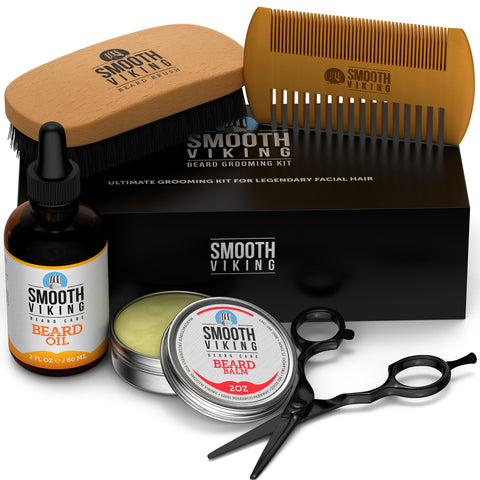
This is where the beard starts behaving like it got the message. Beard balm gives you moisture plus light styling hold, which makes it one of the best answers for how to tame beard flyaways when they keep popping up after brushing.
Warm a small amount between your palms and work it through your beard from root to tip. Then shape it with your hands, a comb, or a brush. The trick is not using a giant glob. Too much balm can make your beard feel greasy or stiff, and nobody wants their face to feel like a candle.
For a lot of men, oil at night and balm in the morning is the sweet spot. Oil keeps the beard softer over time, while balm helps it hold formation when you actually need to leave the house looking like a civilized man.
The brush and comb matter more than you think
A cheap plastic comb that snags and scratches isn’t doing you any favors. If you want fewer flyaways, use tools that guide the beard instead of picking a fight with it.
Use a comb on damp beard hair
A beard comb works best for detangling and helping distribute product evenly. Comb after applying oil or balm, starting lower on the beard and working upward gently if there are knots, then back down into your preferred shape.
Combing a dry, tangled beard too aggressively is a solid way to create static, frizz, and breakage. That turns one flyaway into ten.
Use a brush to train the beard
A beard brush does more than make you look like you have your life together. It helps train the beard to grow and sit in a more consistent direction over time. Brushing also spreads oils through the beard, which helps reduce dry, puffy spots where random hairs like to spring loose.
If your beard is medium to long, brushing downward and slightly inward can help tuck those sides in. If it’s short, a few passes after balm can be enough to keep everything neat.
Training takes repetition. One good brush session won’t magically turn a rowdy beard into a royal guard. But done daily, it makes a real difference.
Heat can help, if you don’t get reckless
For especially stubborn beards, a blow dryer can help shape flyaways into place. This works best when used with a brush and a light product like balm.
Keep the dryer on low or medium heat, not nuclear blast mode. High heat can dry out the beard and make the flyaway problem worse long term. Aim the airflow in the direction you want the beard to go while brushing it into shape.
A little heat is useful. Too much heat turns your beard into dry wire. That’s the trade-off.
Trim the rebels, not the whole kingdom
Sometimes one or two hairs are simply too long, too bent, or too damaged to cooperate. In that case, trimming them is the right move. The mistake is getting annoyed and hacking away at your whole beard until your shape is gone.
If you spot isolated hairs sticking out beyond the natural beard line, trim them carefully with scissors or a guarded trimmer. Do this in good light, and do it slowly. Beard trimming gets dangerous the moment frustration takes over.
If your beard has a lot of split ends or a fuzzy outline, a light maintenance trim can make the whole thing look tighter. But if your beard is in a growth phase, you may want to trim very selectively so you don’t keep resetting your progress.
Beard length changes the game
The best answer for how to tame beard flyaways depends a bit on how long your beard is right now.
Short beards often deal with stubble-stage poking and uneven growth. Here, beard oil and light brushing usually go a long way. Heavy balm can sometimes feel like too much.
Medium beards are where flyaways get loud. There’s enough length to bend outward, but not always enough weight to fall nicely. This is the sweet spot for balm, brushing, and occasional heat styling.
Long beards usually need more conditioning and more deliberate shaping. Oddly enough, once a beard gets enough length and weight, some flyaways settle down on their own. Others become more obvious. That’s why regular brushing and targeted trimming matter even more.
What not to do if your beard is sticking out everywhere
A few habits make flyaways worse even when you think you’re fixing them. Using regular hair gel on your beard can leave it crunchy and flaky. Skipping moisture and relying only on hold products often makes the beard feel rough underneath. And trimming when the beard is puffed out and dry can lead to an uneven shape once it settles.
Another common mistake is expecting instant perfection. Beards have a growth cycle, and some awkwardness is part of the deal. A beard that looks a little wild at week six can look solid at week ten with the right care.
That’s why consistency beats random effort. A simple routine with wash, oil, balm, and a decent brush will outperform panic grooming every time.
A simple daily routine that actually works
In the morning, start with a slightly damp beard. Apply beard oil if you run dry, then use a small amount of beard balm for hold. Comb it through, then brush it into shape. If needed, use low heat for a minute to lock the direction in.
At night, if your beard feels dry, work in a little oil before bed. That gives the hair time to soften while you sleep, so it’s easier to manage the next day.
That’s it. No drama. No twenty-step ritual. Just a routine that tells your beard who’s in charge.
A good beard does not need to be perfectly rigid. It just needs to look intentional. So if a few hairs still try to raid the village now and then, fine. Keep it healthy, keep it shaped, and make sure the man wearing it looks like he meant it.