
Hair Clay vs Pomade: Which Holds Your Style?
Your hair should not look like it lost a fight with a helmet by 10 a.m. The real question behind hair clay vs pomade is simple: do you want rugged texture and a natural finish, or clean control with a little shine? Both can keep your style in line. They just go about it like two very different warriors.
Choosing the right one is less about following grooming commandments carved into stone and more about your hair, your cut, and how you want to look when the day starts throwing punches. Here is how to pick your weapon.
Hair Clay vs Pomade: The Fast Answer
Hair clay is usually the move for textured, matte-to-natural styles with strong hold. Think messy crops, quiffs, short textured cuts, modern side parts, and hair that needs a little extra muscle without looking overly styled.
Pomade is built for smoother, more polished looks. It generally offers more shine, easier definition, and the kind of control that suits slick backs, traditional side parts, pompadours, and clean combed styles.
Neither is automatically better. Clay is the guy in work boots who can still clean up well. Pomade is the guy who arrives with every hair exactly where it belongs. Pick based on the result you want, not the label that sounds toughest on the shelf.
What Hair Clay Does Best
Hair clay earns its reputation by adding grip. It gives hair more traction, which makes it easier to create separation, lift, and texture. This is a major win if your hair tends to fall flat, slide around, or refuse to hold a shape unless you use half the bathroom cabinet.
Most clays dry down with a matte or low-shine finish. That means your hair looks styled, but not like it has been lacquered into place. It is a strong choice for casual, modern cuts where you want movement and definition rather than a perfectly combed surface.
Clay also tends to work well for men with fine or thin-looking hair. The added texture can make strands appear fuller, especially when you work the product in at the roots. Use too much, though, and you can cross from “thick and textured” into “why is there concrete in my hair?” Start small.
Choose Clay If You Want Texture and Volume
Clay is usually your best bet if your goal is a controlled mess, a lifted front, or a naturally rugged finish. It is particularly useful for short-to-medium hair and cuts with layers, since those cuts give the product more shape to grab onto.
For a textured crop, warm a fingertip-sized amount between your palms and work it through dry or nearly dry hair. Push, pinch, and twist sections rather than combing everything flat. For a quiff or messy sweep, apply clay from back to front, then use your fingers to build height at the front.
If your hair is very thick or coarse, clay can still work beautifully, but you may need to apply it in two light passes. That gives you better distribution and avoids product clumps. No man should have one heroic chunk of hair standing guard over his forehead.
What Pomade Does Best
Pomade is made for control with a cleaner finish. Depending on the formula, it can deliver anything from a subtle healthy sheen to a classic high-shine look. The common thread is smoothness: pomade helps hair sit together, follow a direction, and stay polished.
It shines with styles that need deliberate lines. A sharp side part, slick back, comb over, or pompadour often looks more intentional with pomade because the product encourages strands to move as a team. There is less piecey texture and more disciplined structure.
Pomade can also be a smart choice for curly, wavy, or thick hair when you want to calm frizz and guide the hair into a defined shape. A little can give stubborn strands a clear chain of command without making them feel crunchy.
Choose Pomade If You Want a Clean, Classic Finish
If you use a comb as often as your fingers, pomade is probably calling your name. It is ideal when you want your hairstyle to look deliberate from the office to date night, with a little shine that says you have your act together.
Apply it to towel-dried or dry hair based on the finish you want. Slightly damp hair usually makes pomade easier to spread and can create a smoother, shinier result. Dry hair often gives you more hold and a more restrained shine.
Use a comb for precise part lines and a sharp profile. Then use your hands to soften any areas that look too stiff. The goal is not to look like a museum display of a 1950s businessman unless that is, in fact, your calling.
Hold, Shine, and Reworkability: Where They Differ
The biggest difference between clay and pomade usually comes down to finish and flexibility. Clay leans matte, textured, and touchable. Pomade leans smooth, defined, and shinier. But formulas vary, so do not assume every product in either category behaves exactly the same way.
For hold, clay often feels stronger because it creates friction and volume. It is excellent for hair that needs to stand up, spread out, or stay separated. Pomade can provide strong hold too, especially in firm-hold formulas, but its strength often shows up as control rather than rough texture.
Reworkability depends heavily on whether a pomade is water-based or oil-based. Water-based pomades generally rinse out more easily and can often be restyled with a little water. Traditional oil-based pomades can offer serious staying power and shine, but they are harder to wash out and may feel heavier over time.
Clay is often reworkable with your fingers throughout the day, especially if you use a moderate amount. If you have a habit of running your hands through your hair, clay may be more forgiving. Just do not confuse “reworkable” with “keep touching it every 12 seconds.” Let the style do its job.
Match the Product to Your Hair Type
Your hair type can settle the debate faster than any grooming guru on the internet.
Fine or thinning hair often benefits from clay because the matte finish and textured hold can create the appearance of more density. Heavy, shiny pomades may weigh fine hair down, although a light water-based pomade can still work for a clean side part.
Thick hair can handle either product. Choose clay for volume, separation, and a less formal finish. Choose pomade when you need to guide heavy hair into a smooth, controlled shape. Thick-haired men may need a slightly larger amount of product, but work in layers instead of dropping one giant scoop on top.
Straight hair is a flexible battlefield. Clay can add life and grip to hair that otherwise lies flat, while pomade can make a sleek style look crisp. Wavy or curly hair can use clay to enhance texture and reduce the appearance of limpness, or pomade to define and control the pattern. The deciding factor is whether you want natural movement or a more groomed silhouette.
How Much Should You Use?
Less than you think. That is the ancient grooming wisdom, and it has survived for a reason.
Start with a pea-sized amount for short hair or a dime-sized amount for medium-length hair. Rub it thoroughly between your palms until it spreads evenly. Then apply it from the back and sides first before moving to the front. This keeps the hairline from getting overloaded, which is where most bad product decisions become painfully obvious.
If you need more hold, add a second small amount. Do not immediately go full Viking siege engine with a palmful of product. Building up gives you control. Starting heavy gives you greasy fingers and hair that looks like it is applying for a role in an old mob movie.
A Better Routine Starts Before the Product
The best styling product cannot rescue a haircut that is overdue for retirement or hair that is coated in yesterday's product. Start with clean hair, use a towel to remove excess water, and decide whether your style needs volume, texture, smoothness, or shine before you reach for the jar.
A blow dryer can make clay work even harder. Blow-dry hair in the direction you want it to sit, using your fingers or a brush to create lift, then finish with clay once the hair is dry. For pomade styles, shape the hair while it is slightly damp, apply product evenly, and comb it into place.
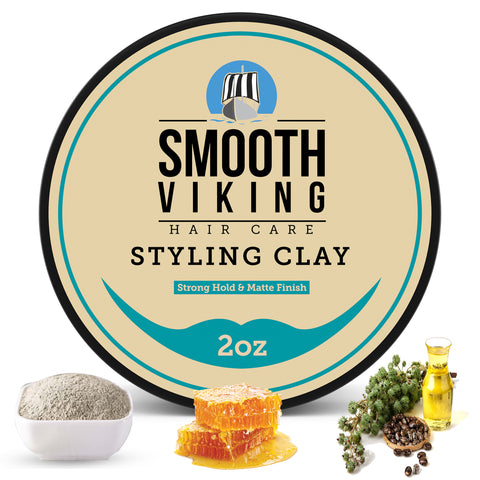
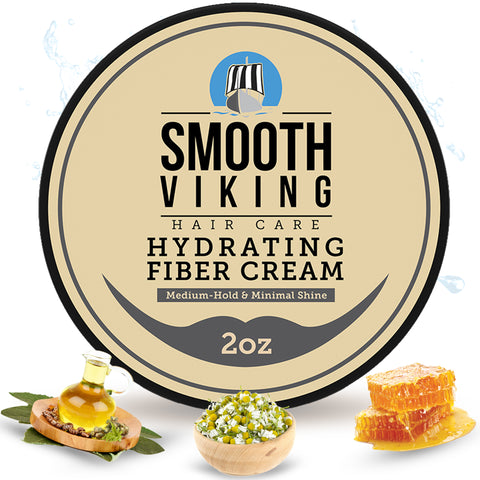
Smooth Viking styling products are designed for men who want that kind of reliable control without turning the bathroom counter into a chemistry lab. One product, a few minutes, and a style that looks like you meant business.
The right choice is the one that makes your hair behave without making your morning harder. Go clay when you want grit, lift, and a natural finish. Reach for pomade when the mission calls for shine, structure, and clean lines. Your hair does not need a lengthy speech. It needs a product that knows how to hold the line.