
How to Style Thick Hair Without the Fight
Thick hair can make you look like you’ve got heroic volume - or like you lost a fistfight with a leaf blower. That’s the whole game when learning how to style thick hair. The good news is thick hair usually has one major advantage over fine hair: it gives you plenty to work with. The bad news is it does whatever it wants if your cut, routine, and product don’t work together.
A lot of guys make the same mistake. They throw more product at the problem, mash it down, and hope for the best. By noon, the hair puffs up, splits apart, or turns into a crunchy helmet. Thick hair does not need brute force. It needs direction.
How to style thick hair starts with the cut
If your haircut is fighting your natural texture, no styling product on earth is going to save you. That doesn’t mean you need a complicated barber lecture. It just means your style should respect how your hair grows, how dense it is, and how much time you actually want to spend in front of the mirror.
For most men, thick hair looks best when some bulk is removed in the right places. The key phrase there is in the right places. If the sides are too heavy, your head can start looking wide and boxy. If the top is left too long without shape, it may sit like a heavy rug. If everything is cut too short, thick hair can stand straight up and make you look permanently surprised.
Ask for texture, weight removal, and shape instead of just asking for it to be shorter. Thick hair usually behaves better when the barber creates movement rather than leaving it dense and blunt. Crops, textured quiffs, side parts, messy medium styles, and short pompadours all work well, but only if the cut reduces excess bulk where you need control.
There’s also an it depends factor here. Straight thick hair tends to expand outward and can get stubborn fast. Wavy thick hair often looks great with a little length but can puff up if over-layered. Curly thick hair usually needs shape more than aggressive thinning. A barber who goes wild with thinning shears can make some thick hair look frizzy instead of controlled.
Drying is where most thick hair goes off the rails
A good style usually starts before the product ever touches your head. If you rough up thick hair with a towel like you’re sanding a deck, expect chaos. Blot it. Don’t attack it.
The sweet spot for styling thick hair is usually damp, not soaking wet and not fully dry. When it’s dripping, product gets diluted and slides around. When it’s bone dry, thick hair can resist shaping and push back hard. Towel dry gently, then let it air dry for a few minutes or hit it with a blow dryer.
Yes, a blow dryer. Not just for runway models and guys who own more than one mirror.
If you want thick hair to hold a shape, a blow dryer does half the heavy lifting. Use medium heat and aim the hair where you want it to go. Forward for a textured crop, back and up for volume, to the side for cleaner business. Use your fingers if you want a looser finish or a brush if you want something sharper. The point is simple: train the hair before you ask product to lock it in.
If your hair gets dry easily, don’t blast it at max heat every day. Thick hair can still get brittle, especially if it’s naturally coarse. Medium heat and a little patience usually beat high heat and regret.
The right product matters more than the amount
When guys ask how to style thick hair, what they’re often really asking is what product will stop this beast from doing backflips by lunch. The answer depends on the finish you want.
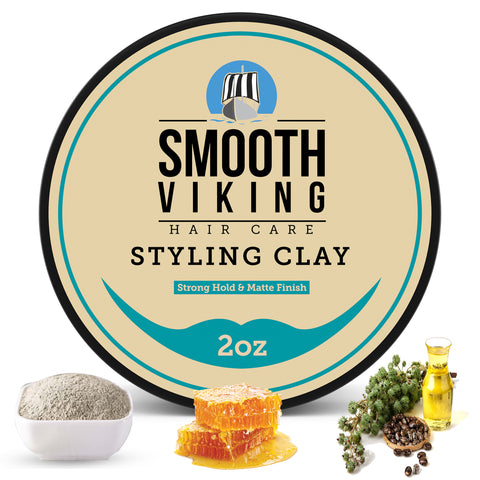
If you want control with a natural look, clay is usually a strong move. It gives thick hair grip and structure without making it shiny or greasy. That’s especially useful if your hair already has a lot of body and you don’t want to look like you dipped your head in engine oil.
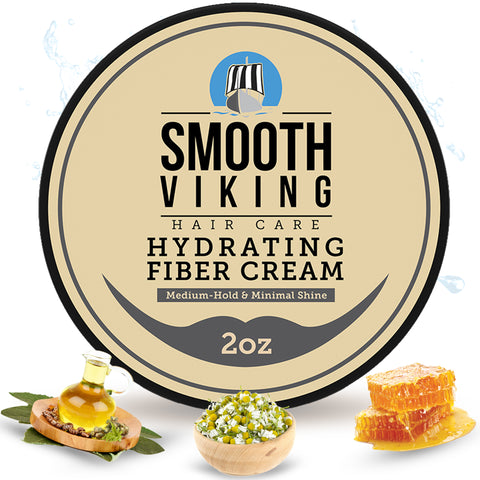
If you want something more flexible, fiber cream can be a better fit. It adds control and separation while keeping the style touchable. This works well for medium-length thick hair, messy styles, or looks that should feel relaxed rather than shellacked.
Pomade has its place too, especially for slicker styles, side parts, or a cleaner finish. But here’s the trade-off: thick hair plus a heavy pomade can sometimes feel too dense, especially if you use too much. Great if you want shine and hold. Less great if you hate buildup or you’re trying to keep the style light.
The biggest mistake is overapplying. Thick hair may look like it can handle a whole handful of product, but start small. Warm a dime-sized amount in your palms, spread it evenly, and work it through from back to front. Then add more only if you actually need it. Piling product on the surface just glues down the outer layer while the rest of the hair keeps plotting rebellion underneath.
How to style thick hair for the look you want
There isn’t one universal method because thick hair can wear a lot of different styles well. The trick is matching the product and technique to the finish.
For a textured everyday look, work clay or fiber cream into damp hair, then blow dry while lifting with your fingers. Once it’s mostly dry, pinch and twist small sections for separation. This gives you control without making the style feel stiff. It’s the easiest option for guys who want to look put together without looking overdone.
For a side part, comb your part into place while the hair is still damp. Blow dry in that direction, then use a small amount of pomade or clay to keep the shape. If your hair is especially thick on the sides, don’t force them completely flat unless the cut supports it. A little natural lift looks better than a helmet.
For a quiff or volume on top, blow dry upward and back first. Then apply product mainly through the roots and mid-lengths, not just the ends. Thick hair needs support at the base or the whole style can collapse forward. Finish by shaping the front with your fingers instead of over-combing it.
For medium-length thick hair, the goal is usually control without puffiness. Use a lighter product than you think you need, distribute it thoroughly, and avoid letting the sides dry out too much before styling. Thick medium hair can turn triangular fast if the sides expand while the top sits flat.
What to do when thick hair gets bulky, frizzy, or flat
Bulk is usually a haircut issue first and a styling issue second. If your hair keeps mushrooming out, your cut probably needs better weight removal. Product can help tame it, but it won’t fully fix poor shape.
Frizz often shows up when thick hair is dry, overworked, or cut too aggressively. If that sounds familiar, use less heat, stop towel-wrestling your head, and choose a product with some conditioning value instead of only dry hold. A matte finish is great, but if your hair is coarse and thirsty, going too dry can make it look rough instead of rugged.
Flatness surprises a lot of guys with thick hair, but it happens. Heavy hair can collapse under its own weight, especially if it’s longer on top. That’s where blow drying and root-focused styling matter. Lift at the roots first, then use product to keep the structure. If you only style the surface, the top can look limp while the sides still flare out. That’s a rough combo.
Your routine should be simple enough to repeat
The best thick-hair routine is the one you’ll actually do on a Tuesday morning when you’re half awake and running late. Keep it practical. Wash often enough to avoid buildup, but not so much that your hair turns dry and wild. Most guys with thick hair do better with a balanced routine than with constant shampooing.
On styling days, think in this order: damp hair, shape with heat, finish with product. That sequence works because each step supports the next one. Skip the shaping part, and the product has to do too much. Skip the product, and the shape won’t last.
If your current setup feels like a daily cage match, simplify it. A solid cut, a blow dryer, and one dependable styling product will beat a cluttered bathroom counter almost every time. That’s why a lot of men do better with straightforward grooming gear from brands like Smooth Viking - less confusion, more control, no opera-level drama before coffee.
Thick hair isn’t the enemy. It just refuses to be ignored. Once you stop trying to overpower it and start working with its weight, texture, and natural movement, styling gets a whole lot easier. And when your hair starts cooperating, the whole morning feels less like a battle and more like a win.