
How to Apply Hair Clay the Right Way
Bad hair days usually start the same way - too much product, the wrong amount of shine, or a style that gives up by lunch. If you're figuring out how to apply hair clay, the good news is this: clay is one of the easiest styling products to get right once you stop treating it like gel from 2007.
Hair clay is built for control without the helmet-head finish. It gives you texture, a natural look, and enough hold to keep your style from collapsing the second the wind picks a fight. But technique matters. Use too much and your hair feels heavy. Use too little and nothing happens. Get the timing wrong and you'll spend five minutes wrestling your own head.
What hair clay actually does
Hair clay is made for men who want hold with a matte or low-shine finish. It's especially good for textured styles, messy crops, quiffs, side parts, and shorter cuts that need shape without looking greasy. If pomade is the slick operator, clay is the rugged guy who still shows up looking sharp.
Most clays add grit and separation, which helps fine hair look fuller and thick hair stay under control. They also tend to work best when you want movement instead of a frozen finish. That's the big win. Your hair still looks like hair.
That said, clay is not magic. If your hair is very long, very curly, or extremely thick, you may need more product or a different styling approach. Some clays have a stronger hold than others, and heavier formulas can feel stiff on finer hair. It depends on your cut, your texture, and whether you're going for clean and structured or a little more wild-man-with-a-plan.
How to apply hair clay step by step
The best way to apply hair clay is simple, but there are a few details that separate a solid style from a product-packed mess.
Start with clean, mostly dry hair
Clay usually performs best on dry hair or slightly damp hair. Not soaking wet. If your hair is dripping, the product gets diluted and slides around instead of gripping the hair.
Towel-dry after your shower, then let your hair air dry a bit more if needed. If you're in a rush, hit it with a blow dryer for a minute or two. Slight dampness can help with easier distribution, but dry hair usually gives you the strongest hold and best texture.
If your hair is dirty or loaded with yesterday's product, clay won't sit the same way. It can clump, get uneven, or just make your style feel tired before the day even starts.
Scoop a small amount first
This is where a lot of guys go full berserker. Don't.
Start with a dime-sized amount for short to medium hair. If your hair is very short, use less. If it's thick or longer on top, you can add more later. The smart move is always to build up. Once you've slapped too much clay into your hair, you're not styling anymore. You're negotiating with a waxy helmet.
Warm it up in your hands
Rub the clay between your palms and fingers until it softens and spreads evenly. This step matters more than people think. Cold clay goes into your hair in chunks. Warm clay goes in smoothly.
Work it until you can feel the product loosen up. You want an even, thin layer across your hands, not a blob sitting in one palm like a dare.
Apply from back to front
When learning how to apply hair clay, this one trick saves a lot of bad styling decisions. Start at the back or middle of your head and work forward. That keeps the front from getting overloaded, which is exactly what happens when guys go straight for the fringe or hairline.
Use your fingers to rake the clay through your hair, getting it from roots to ends. Focus on even coverage first. Shape comes second.
Once the product is distributed, go back and style the front. You'll get a more natural look and better balance across the whole head.
Shape with your hands, then refine if needed
For most clay styles, your fingers are the main tool. Twist sections for texture, push the hair up for volume, or sweep it to the side for a cleaner finish. This is where clay shines. It gives you control without making your hair look shellacked.
If you want a neater result, use a comb lightly after applying the clay. Just know that combing can reduce some of that broken-up texture. Fingers give a looser, more natural finish. A comb gives more structure. Neither is wrong. It depends on the look you're after.
Add a little more only if you need it
If the hold isn't there yet, use a tiny second scoop. Not a heroic scoop. A small one.
Layering works better than dumping in a huge amount at once. It keeps the hair movable and helps you avoid that dense, sticky feeling. A good clay should let you restyle during the day without feeling like you're wearing a plastic cap.
How much hair clay should you use?
The honest answer is less than you think.
For very short hair, a pea-sized amount is often enough. For short to medium styles, a dime-sized amount usually does the job. For thicker hair or longer tops, you might need a nickel-sized amount, sometimes split into two passes.
Hair density matters as much as hair length. Fine hair gets weighed down fast, so go light. Thick hair can handle more product, but it still needs even distribution. If one area feels stiff and another feels untouched, you're using the right product the wrong way.
Common mistakes that ruin the finish
Most hair clay problems come down to technique, not the clay itself.
Using too much is the biggest one. It makes the hair look flat, dirty, or weirdly piecey in all the wrong spots. Another common mistake is not warming the product first, which leaves clumps and uneven hold.
Applying clay to soaking wet hair is another classic self-own. You lose grip, lose texture, and wonder why your hairstyle gave up before your coffee kicked in. And if you only apply product to the surface instead of working it through, the top layer gets stiff while everything underneath does whatever it wants.
There's also the cut issue. Clay is great, but it can't save a haircut that fights your natural growth pattern every morning. If your hair sticks straight up in one spot or falls flat in another, sometimes the answer is less about product and more about getting your barber to work with your hair instead of against it.
Best hairstyles for hair clay
Clay is strongest on styles that need texture, definition, and a natural finish. Think messy crops, textured quiffs, modern side parts, faux hawks, short pompadours, and that casual controlled look that says, "Yeah, I put effort in," without screaming it.
It also works well for bedhead styles that need a little discipline. You want movement, not chaos. Clay keeps things in formation while still letting your hair look touchable.
If you're chasing a high-shine slick back, clay probably isn't your best weapon. That's pomade territory. If you want soft volume with almost no hold, a lighter cream may make more sense. Clay lives in that sweet spot between hold and texture, especially for guys who want a matte finish and don't want to look like they polished their head.
How to apply hair clay for different hair types
Fine hair usually benefits from a lighter touch and dry application. Too much product will flatten it fast, so start small and focus on the roots for lift. Blow-drying before application can help create extra volume.
Thick hair often needs more working time. Apply the clay thoroughly and make sure it reaches beneath the surface. If you only style the outer layer, the bulk underneath can push the shape out of place during the day.
Wavy hair tends to pair well with clay because the product can define the natural pattern without making it shiny. Curly hair can use clay too, but usually in smaller amounts if the goal is control rather than full texture. Very curly or dry hair may need something softer or more moisturizing, especially if matte products make the hair feel rough.
Straight hair is often the easiest to sculpt with clay, especially for crops, spikes, and side-swept looks. The trick is creating texture so it doesn't fall flat and lifeless.
Getting the style to last
If your style looks great at 8 a.m. and quits by noon, the issue may be prep. Dry your hair into the shape you want before you apply the clay. That gives the product something to hold instead of asking it to do all the heavy lifting alone.
A blow dryer can make a big difference here. Even one minute of directing the hair into place adds structure and volume. Then the clay locks in the general shape.
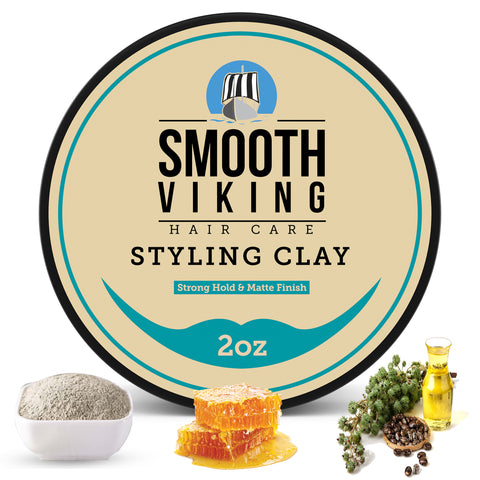
Product quality matters too. A well-made clay gives hold without turning your hair into drywall. Smooth Viking hair clay, for example, is built for that everyday sweet spot - control, texture, and a finish that looks sharp without trying too hard.
Washing hair clay out
Most hair clays wash out with a good shampoo, though stronger formulas may take a little more effort. If your hair still feels coated after one rinse, shampoo again and use warm water. No need to attack your scalp like you're sanding a deck.
If you use styling products daily, make sure you're actually cleansing your hair well enough to prevent buildup. Leftover product changes how fresh clay performs the next day.
Good hair clay should make styling easier, not turn your morning into a wrestling match. Start small, warm it up, work it through evenly, and shape with purpose. Once you get the feel for it, you'll spend less time fighting your hair and more time looking like you've got your act together.