
Fiber Cream vs Pomade: Which Holds Better?
Your hair has one job: look like you meant to style it. The fiber cream vs pomade decision determines whether you get a natural, textured finish or a cleaner, more polished look with noticeable control. Both can tame a stubborn mop. They just do it with very different battle plans.
If you have ever used too much product and ended up looking like you lost a fight with a jar of hair gel, this is for you. Here is how to choose the right weapon for your hair, your style, and the amount of shine you can tolerate before feeling like a 1950s movie villain.
Fiber Cream vs Pomade: The Fast Answer
Choose fiber cream when you want flexible hold, natural texture, and low shine. It is usually the better everyday choice for messy crops, textured quiffs, short-to-medium styles, and hair that needs lift without feeling stiff.
Choose pomade when you want stronger definition, smoother control, and more shine. It earns its place with slick backs, side parts, pompadours, and any style where clean lines matter more than a rough, lived-in finish.
That is the quick version. The better choice depends on your hair type, how formal you want to look, and whether you expect your style to survive wind, a long workday, or a helmet ride to Valhalla.
What Fiber Cream Does Best
Fiber cream is built for movement. It gives hair grip and separation, so individual sections stay where you put them without turning into a solid, crunchy helmet. Think texture you can run your hands through, not a shell you need a chisel to remove.
Most fiber creams land somewhere between light and medium shine, often with a matte or natural-looking finish. That makes them useful when you want people to notice your haircut, not immediately identify the product sitting on top of it. A good hydrating fiber cream can also help dry-looking hair appear healthier while keeping flyaways from staging a rebellion.
Fiber cream shines with shorter hair because it creates piecey definition. On medium-length hair, it can add volume and help shape a casual quiff, brush-up, or messy swept-back style. It is especially useful for men with fine or thinning-looking hair, since heavily shiny products can make the scalp more visible and cause hair to look flatter than it is.
The Fiber Cream Finish
The finish is relaxed, but not careless. Fiber cream says, “Yes, I put effort into this,” without announcing it from across the room. You get texture, a touchable feel, and enough control to look sharp at work, on a date, or while handling whatever the day throws at your beard and your schedule.
The trade-off is hold. Fiber cream can handle normal movement and a reasonable amount of chaos, but it may not keep a tall pompadour perfectly locked down through humid weather or an all-day outdoor event. If your hairstyle requires architectural engineering, you may need a stronger product.
What Pomade Does Best
Pomade is the move when you want a deliberate, classic style. It smooths hair into place, adds polish, and gives you the control needed for crisp side parts, combovers, slick backs, and neat pompadours. It is not trying to look accidental. It is trying to look like you have your act together.
Traditional pomades are known for shine and pliability. Depending on the formula, they may provide medium to strong hold and can often be restyled throughout the day. Water-based pomades generally wash out more easily, while oil-based formulas tend to offer a richer shine and longer-lasting slickness but may take more work to remove.
Pomade is a strong choice for thick, coarse, or wavy hair that resists being told what to do. The product's weight and smoothing power can keep bigger hair under control. It can also work well for medium-to-long hair when you want it swept back neatly instead of separated into textured pieces.
The Pomade Finish
Pomade gives a more finished appearance, usually with a visible sheen. That is a feature, not a flaw, when the style calls for it. A sharp side part with a little shine can look confident and timeless. The same shine on fine, limp hair can make it look greasy or sparse.
Pomade can also be too much for someone who prefers casual texture. If you want a loose, messy crop, a glossy finish may fight the look you are after. Using less can help, but the product's natural character still leans smooth and controlled rather than dry and rugged.
Match the Product to Your Hair Type
Your hair type matters as much as your preferred style. The wrong product is not always bad product. Sometimes it is simply a Viking axe being used to butter toast.
Fine or thin hair often benefits from fiber cream because its lower-shine, lighter finish can create the appearance of more texture and density. Start with a small amount, work it between your palms, and apply it gradually. Loading fine hair with product is the quickest route to flat, separated strands.
Thick hair usually has more freedom. Fiber cream can create texture and reduce bulk in short styles, while pomade can smooth and direct thicker hair for a cleaner look. If your hair is especially dense, you may find fiber cream works best for casual days and pomade wins when you need everything to stay in formation.
Wavy and curly hair can go either way. Fiber cream is often better for defining natural movement without making curls look stiff. Pomade can help tame the sides and create a more controlled shape, but too much may weigh waves down. Use a small amount and let your hair's natural character do some of the work.
Dry hair generally appreciates a hydrating cream formula, especially if it tends to look rough or feel brittle. Oily hair may prefer a low-shine fiber cream, since extra shine can make it look greasy faster. Product formulas vary, so pay attention to how your scalp and strands respond over a week or two, not just during the first mirror check.
How to Apply Fiber Cream Without Overdoing It
Start with dry or towel-dried hair, depending on the finish you want. Dry hair usually gives more texture and a stronger matte effect. Slightly damp hair can make application easier and create a softer, more controlled shape.
Use a dime-sized amount for short hair. Rub it fully between your palms until it is evenly spread, then work it through from the back toward the front. Starting at the back prevents the front of your hair from absorbing every bit of product and becoming heavy. Add more only if you truly need it.
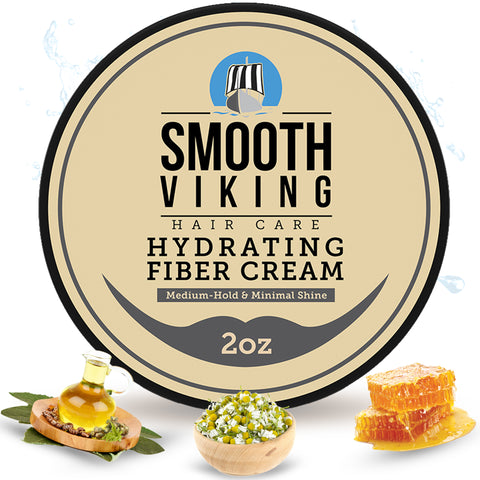
Use your fingers to create separation and lift. A comb is not forbidden, but fiber cream generally looks best when it is not combed into military-grade perfection. Smooth Viking Hydrating Fiber Cream is designed for this kind of easy, touchable control: definition without the hard, overbuilt finish.
How to Apply Pomade for a Cleaner Style
Pomade also works best when you begin with a small amount. For many styles, slightly damp hair is easier to shape because the product spreads more evenly and the comb can guide everything into place. Dry hair can produce a firmer hold and more texture, though the shine may look less uniform.
Warm the pomade between your palms before applying. Work it from the back and sides first, then distribute the remaining product through the top. For a side part or slick back, use a comb after applying the product. That is where pomade earns its keep: precise lines, smooth direction, and a style that looks intentional from every angle.
If your hair starts feeling heavy, do not keep piling on product. Reset with a little water, comb it through, and see what is actually needed. More product is not always more control. Sometimes it is just more laundry work later.
The Real Decision: Texture or Polish?
Pick fiber cream if your ideal style has volume, separation, and a natural finish. It is the no-fuss choice for a man who wants hair that looks good without looking overly manufactured. You can reshape it with your hands, and it generally fits a casual, rugged grooming routine.
Pick pomade if you want sleek control, shine, and a style with clear structure. It is for days when your hair needs to look as disciplined as the rest of you. A good pomade can turn unruly hair into a polished side part or slick back without requiring a complicated routine.
Your shelf does not have to be loyal to one camp. Keep fiber cream for textured weekdays, relaxed weekends, and low-shine styles. Reach for pomade when the haircut needs cleaner lines, a dressier finish, or a little old-school swagger. The best grooming routine is not about following rules. It is about using the right tool, then walking out the door looking like you came prepared to conquer the day.