
How to Use Pomade Correctly for All-Day Hold
Your hair can be clean, your beard can be dialed in, and your shirt can fit like it was forged for battle. But if your style falls flat by lunch or looks like it lost a fight with a grease bucket, the whole operation takes a hit. Knowing how to use pomade correctly is what separates controlled, sharp hair from a shiny mess that belongs nowhere near your head.
Pomade is built for men who want definition, hold, and a style that still looks intentional after a long day. The trick is not using more product. It is using the right amount, applying it at the right time, and working with your hair instead of trying to conquer it with a fistful of goo.
Start With the Right Pomade and the Right Finish
Not every pomade does the same job. Before you scoop, decide what you want your hair to look like when the dust settles.
A high-shine pomade is the classic choice for slick backs, pompadours, side parts, and other clean-cut styles with a polished finish. It gives hair that traditional barbershop look. A matte or low-shine pomade gives you control with less glare, which works well for textured crops, loose quiffs, and styles that should look natural rather than shellacked.
Then there is hold. Light hold works for fine hair or relaxed styles that need a little direction. Medium hold is the everyday workhorse for most men. Strong hold earns its seat at the table when your hair is thick, coarse, long, or stubborn enough to challenge a Viking shield wall.
Water-based pomades are usually easier to rinse out and restyle during the day. Oil-based formulas can offer classic shine and lasting control, but they take more effort to wash away. Neither is automatically better. Pick the finish and hold that match your hair type, style, and tolerance for cleanup.
How to Use Pomade Correctly: Begin With the Right Hair Dampness
The condition of your hair changes the result more than most guys realize. Pomade on dripping-wet hair gets diluted, spreads too thin, and can leave your style weak. Pomade on completely dry hair gives stronger hold and more texture, but it can be harder to distribute evenly.
For most styles, start with towel-dried hair. Your hair should feel damp, not wet enough to fling droplets across the bathroom mirror. This is the sweet spot for smooth application, controlled volume, and a finish that does not look overly stiff.
Use dry hair when you want maximum texture or a more lived-in look. This is especially useful for short hair, messy crops, and hair that tends to collapse. If you are creating a precise side part or a slick-back style, slightly damp hair is usually easier to shape into place.
Hair that is dirty, oily, or loaded with yesterday's product is a different beast. Pomade will not magically fix it. Start with clean hair when possible. Product layered over old product often turns into flakes, clumps, or the dreaded greasy-root situation.
Use Less Than You Think You Need
The fastest way to make pomade look bad is simple: scoop too much. Guys see a small tin and assume they need a heroic amount. You do not. Pomade is concentrated, and you can always add a little more.
For short hair, start with a pea-sized amount. For medium-length hair, use roughly a fingertip-sized scoop. Longer or very thick hair may need more, but even then, build in layers instead of attacking the jar like it owes you money.
If you are new to pomade, start smaller than your instincts tell you. The right amount should make hair easier to direct and define. It should not make every strand stick together like you just walked out of a rainstorm wearing a helmet.
Warm It Up Before It Hits Your Hair
Do not swipe pomade from the tin straight onto one spot of your head. That move creates uneven clumps and forces you to overwork your hair trying to fix them.
Scoop the product onto one palm, then rub your hands together firmly. Keep going until the pomade feels warm and mostly transparent across your palms and fingers. This breaks down the formula so it spreads evenly from root to tip.
Get product over your fingertips too. Your palms help distribute product through the bulk of your hair, while your fingertips give you precision around the hairline, part, crown, and any pieces that need extra control.
Apply From the Back Forward
Start at the back of your head, then work toward the sides and top. This is the move that keeps the front of your hair from getting overloaded. The hair around your forehead is the first thing people see, so it should look controlled, not greasy.
Run your hands through your hair from back to front first, making sure the pomade gets under the top layer. Then guide it into the direction you want. For a slick back, work backward from your forehead toward the crown. For a side part, establish the part with a comb or your fingers, then sweep the longer section across and back.
For textured styles, use your fingers to lift, twist, and separate small sections. Do not comb everything flat if you want movement. Pomade can create sharp definition, but only if you leave room for your hair to look like actual hair.
Use a Comb for Precision, Fingers for Texture
A comb is your weapon of choice when you want clean lines. Use it for classic side parts, slick backs, pompadours, and any style where the shape needs to look deliberate. Comb from roots to ends with steady pressure, and avoid repeatedly dragging the comb through the same area once the shape is set.
Your fingers are better for relaxed, textured, or medium-length styles. Rake through your hair, then pinch the ends of small sections to create separation. If your hair starts looking too neat, loosen it with a few quick finger passes instead of adding more pomade.
You can use both. Comb the main shape into place, then use your fingertips to soften the edges and add character. Clean does not have to mean stiff.
Build Volume Before You Add More Product
If your hair falls flat, more pomade is rarely the answer. Heavy product can actually pull hair down, especially if your hair is fine or naturally straight.
Instead, use a blow dryer on low or medium heat before applying pomade. Direct the airflow upward at the roots while using your fingers or a brush to lift the hair into the shape you want. Let the hair cool for a few seconds, then apply a small amount of pomade to lock in the structure.
This approach is especially useful for quiffs, pompadours, and swept-back styles. The dryer creates the foundation. Pomade adds control and finish. Asking pomade to create all the volume on its own is like asking one guy to row the entire longship.
Know When to Add a Second Layer
A second small application can be useful, but only after you see how the first layer behaves. Give your hair a minute to settle. If one area is still escaping, warm up a tiny extra amount between your fingertips and target that spot.
Use this method around stubborn cowlicks, flyaways, or the sides of a style that need a little more discipline. Do not coat your entire head again. Spot treatment keeps the style light and natural while giving problem areas the firm hand they deserve.
If you need a major reset during the day, dampen your hands slightly and reshape your hair before adding more product. Water-based pomades are particularly good for this. You can revive your style without turning your hair into a product-layer cake.
Common Pomade Mistakes That Wreck a Good Style
Most pomade problems come down to a few repeat offenders. Too much product makes hair look oily and heavy. Applying it to soaking-wet hair weakens hold. Skipping the hand-warming step leaves visible clumps. And working only on the front means the back of your head gets ignored until a mirror tells the truth.
Another mistake is choosing a product based only on what looked good on someone else. Thick, wavy hair and fine, straight hair do not respond the same way. A high-shine, heavy hold formula might look legendary in a classic pompadour but feel like overkill for a short textured crop. Adjust the product, amount, and application method to your own hair.
Also, wash product out regularly. Even a great pomade can build up if you keep stacking it day after day. Clean hair gives you a better canvas, a better hold, and fewer surprises when you run your fingers through it.
Make Your Style Look Intentional, Not Overworked
A good pomade style should look like you have your act together, not like you spent an hour negotiating with every strand. Once the shape is in place, stop touching it. Constantly raking your hands through styled hair breaks down the structure and transfers natural oils where you do not want them.
Check your profile and the back before heading out. The front view gets all the attention in the mirror, but the sides and crown tell the full story. A quick look in a second mirror can save you from walking into the day with a polished front and a wild, uncharted back.
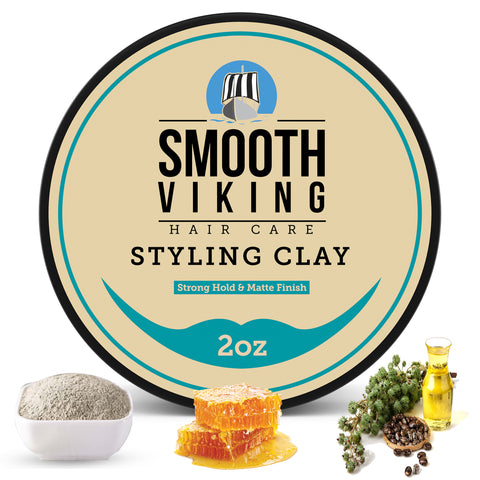
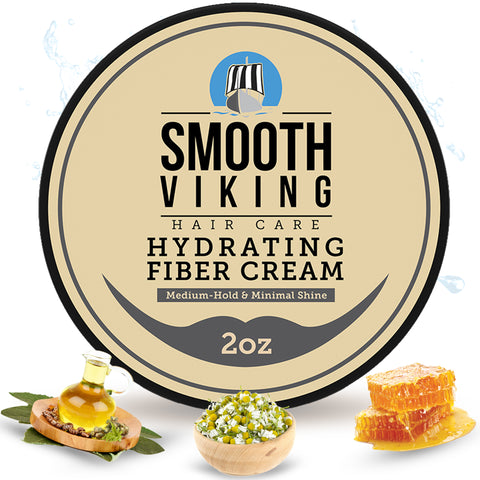
Smooth Viking pomade is made for this kind of no-nonsense routine: use a small amount, work it in, shape with purpose, and get on with your day. Your hair does not need a twenty-step ritual. It needs a little strategy, steady hands, and the confidence to leave the bathroom looking like you meant business.