
What Beard Oil Does for a Better-Looking Beard
Your beard can look thick, rugged, and worthy of a saga - then feel like a pile of steel wool glued to your face. That is where beard oil earns its place. If you have wondered what beard oil does, the short answer is simple: it conditions the skin under your beard and softens the hair growing out of it, making the whole operation feel and look far more civilized.
It is not magic potion. It will not fill in a patchy beard overnight or turn three weeks of stubble into a mountain-man mane. What it can do is make the beard you have easier to wear, easier to manage, and much less likely to feel like it is plotting against you.
What Beard Oil Does, Exactly
Beard oil is a lightweight grooming product made with carrier oils, sometimes paired with fragrance or essential oils. Those carrier oils are the workhorses. They help replenish the moisture and natural oils that can disappear when you wash your face, shower, live through dry weather, or generally exist as a man with facial hair.
The key detail: beard oil is as much about your skin as it is about your beard. A beard can hide dry, irritated skin for a while, but it cannot solve it. When the skin underneath gets thirsty, you may get tightness, flakes, redness, and the dreaded beard itch. Oil helps condition that skin so your beard has a healthier, more comfortable foundation.
At the same time, it coats and softens the hair shaft. Beard hair is often coarser than the hair on your head, especially as it gets longer. A few drops of oil make those wiry whiskers feel less scratchy, look less dull, and behave better when you run a comb or brush through them.
The Benefits You Will Actually Notice
The first benefit most guys notice is comfort. Early beard growth can itch because short, stiff hairs poke at your skin while the skin itself adjusts. Beard oil does not erase every itch on earth, but regular use can greatly reduce the dryness that makes itching worse.
Next comes softness. This matters for you, obviously, but it also matters when your beard is close enough to another human being to receive a review. Conditioned beard hair has more give. It feels less like a scrub brush and more like a beard that gets invited places.
Then there is appearance. Dry facial hair can look faded, frizzy, and uneven even when it is freshly trimmed. Beard oil adds a healthy-looking sheen and helps individual hairs lie in a more unified direction. The goal is not a wet, shiny face. The goal is a beard that looks intentional rather than like you lost a fight with a wind tunnel.
Oil can also make detangling easier. Longer beards develop knots, especially around the chin and jawline, where hair tends to curl and rub against collars. Applying oil before combing helps reduce tugging and breakage. Your face has been through enough. Do not rake a dry comb through it like you are clearing brush.
Beard Oil Is Not the Same as Beard Balm
Beard oil conditions and softens. It is typically the better choice for short beards, new growth, dry skin, and anyone who wants a fast daily routine. It absorbs into the beard and skin without asking you to spend ten minutes sculpting your jawline in the mirror.
Beard balm also conditions, but it usually has a thicker texture and more hold. That makes balm useful when your beard is medium to long, your flyaways have gotten cocky, or you want a fuller, more shaped look. Think of oil as daily nourishment and balm as nourishment with backup troops.
You can use both if your beard needs it. Start with oil on the skin and beard, then use a small amount of balm to guide the outer layer into place. But do not feel obligated to stack products just because your bathroom shelf can handle it. For plenty of guys, beard oil alone is the whole play.
How to Apply Beard Oil Without Looking Greasy
More oil is not more Viking. Overdoing it leaves your beard heavy, your shirt collar shiny, and your hands slick enough to lose a drinking horn. Start small and adjust based on beard length, thickness, and skin dryness.
After a shower is usually the best time to apply it. Your pores are warm, your beard is clean, and the hair is slightly damp. Towel-dry your beard first. You want it damp, not dripping, because oil and a face full of water do not make a great team.
For stubble or a short beard, begin with two to three drops. A medium beard may need three to five. A long or especially dense beard may call for five to eight. Rub the oil between your palms and fingertips, then work it into the skin under your beard before smoothing the rest through the hair.
Do not just glaze the surface. Get your fingertips down to the skin around the cheeks, jaw, chin, and neck. That is where dryness begins, and that is the part most guys skip when they rush.
Finish with a beard comb or brush if you have enough length for one. Comb downward and outward to distribute the oil and train hairs into a cleaner shape. If your beard is very short, your hands are enough. You are grooming a beard, not restoring antique furniture.
How Often Should You Use It?
Most bearded men do well with beard oil once a day. If your skin is dry, you spend time in cold weather, or you wash your face frequently, daily use can make a noticeable difference. If you have naturally oily skin or keep a very short beard, every other day may be plenty.
Your beard will tell you what it needs. If it feels coarse, looks dusty, or your skin gets itchy by lunchtime, use a little more consistently. If it stays glossy for hours and feels coated, cut back on the number of drops. The right amount leaves your beard soft and controlled, not slick.
It also depends on the rest of your routine. Harsh cleansers can strip oil from the skin and hair, which may leave you reaching for extra product. Washing your beard with a gentle cleanser and avoiding scalding-hot water can help beard oil work better instead of making it fight uphill every morning.
What Beard Oil Will Not Do
Beard oil is a conditioner and grooming tool, not a beard-growth guarantee. It cannot create follicles where genetics did not put them. If your cheeks grow in patchy, oil can make the existing hair softer and healthier-looking, but it cannot draft new recruits into the beard army.
It also will not replace trimming. Split ends, uneven bulk, and a neckline that has wandered down your throat need a trimmer, not another dropper bottle. Oil improves texture and appearance, while a good trim defines the shape.
And if you have persistent redness, painful bumps, severe flaking, or a rash, do not try to drown the problem in oil. Stop using any product that irritates your skin and talk with a dermatologist if the issue sticks around. A solid grooming routine should make your face feel better, not start a feud.
Choosing an Oil That Fits Your Routine
A good beard oil should feel light enough to absorb without leaving a greasy film. Look for a formula built around nourishing carrier oils and choose a scent you will actually want under your nose all day. Fragrance is personal. Some guys want clean and subtle; others want a scent with enough presence to announce that the beard has arrived.
If your skin is sensitive, a simpler formula or a lightly scented option may be the smarter move. Test a small amount first, especially if you have reacted to fragranced grooming products in the past. Rugged does not mean ignoring your skin when it complains.
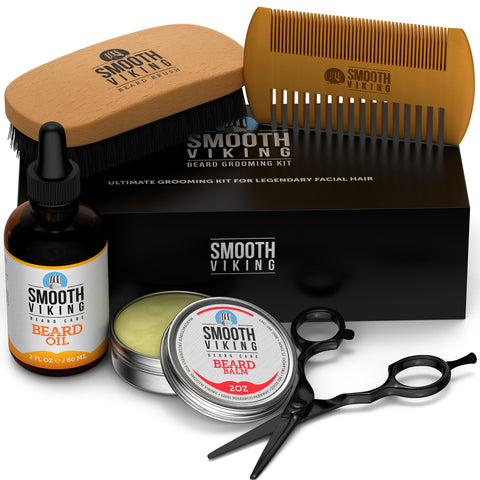
Smooth Viking beard oil is made for the guy who wants the useful stuff: a softer beard, conditioned skin, and a clean finish without turning morning grooming into a side quest. A few drops and a quick comb-through are enough to put your beard back under your command.
Your beard does not need a complicated ritual or a cabinet packed with mysterious potions. Give the skin underneath some attention, use the right amount of oil, and let consistency do the heavy lifting. That is how a beard stops feeling like an obligation and starts looking like part of the armor.