
How to Shape Neckline Beard the Right Way
A bad beard neckline can wreck a solid beard fast. Too high, and you look like your beard is clinging for dear life. Too low, and your neck turns into a fuzzy basement. If you want to know how to shape neckline beard lines so your beard looks sharp without looking over-carved, the fix is simpler than most guys think.
The neckline is what gives your beard structure. It tells the difference between intentional grooming and just letting nature throw punches. Get this line right, and your jaw looks cleaner, your beard looks fuller, and the whole thing feels more put together.
Why the neckline matters more than guys think
Most men obsess over cheek lines and beard length, but the neckline does the heavy lifting. It frames the bottom of the beard and keeps stray neck hair from making everything look sloppy. Even a thick beard benefits from a defined lower edge because it creates contrast and makes the beard shape look deliberate.
That said, there is a sweet spot. Go too aggressive and your beard can look thin or oddly detached from your face. Leave too much under the chin and along the neck, and the beard loses shape fast. The goal is not to carve a perfect ruler-straight line. The goal is to create a natural-looking boundary that flatters your face.
How to shape neckline beard lines without guessing
Here is the easiest rule of thumb. Place two fingers above your Adam's apple. The top of those fingers is usually a solid starting point for where your neckline should sit. From there, imagine a gentle U-shape that runs from behind one jawbone to behind the other.
That U-shape matters. A beard neckline should not usually be a hard horizontal line from ear to ear. On most faces, that looks stiff and unnatural. A slight curve follows your anatomy better and helps the beard blend into the jaw instead of fighting it.
If you have a rounder face, keeping the neckline a touch tighter can help create a cleaner profile. If you have a long or narrow face, dropping the line slightly lower can add visual weight. This is where grooming gets real - the best line is the one that works with your face, not against it.
Find your natural neckline first
Before trimming anything, comb your beard downward and look straight into the mirror. Do not tilt your chin up too much. That stretches the skin and lies to you. When your head returns to a normal position, the line can end up way too high.
Use your fingers to find the center point above the Adam's apple. Then trace an imaginary line up toward each side of your jaw, ending just below and behind the ears. If your beard is short, that line will be more visible. If your beard is fuller, it will act more like a cleanup zone than a sharp border.
Mark it before you trim
A lot of beard disasters happen because guys freehand too fast. If you are new to shaping, mark the line first. You can use a washable eyeliner pencil, a beard shaping tool, or even just trim slowly in tiny passes while checking both sides.
The point is not to turn your bathroom into an art studio. It is to avoid the classic one-side-got-too-high-so-now-both-sides-are-too-high problem. Every bearded man has been there. It is not a rite of passage worth repeating.
What tools work best
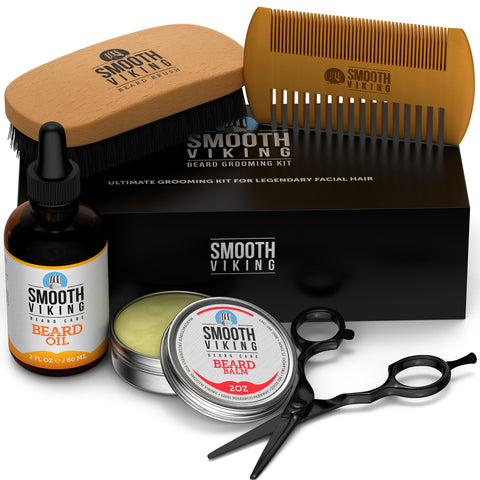
You do not need a Viking war chest full of gear, but the right tools help. A quality beard trimmer with good visibility is your main weapon. A detail trimmer helps if you want a cleaner edge, and a razor can sharpen the line if that is your style.
For longer beards, a comb and beard brush matter more than people realize. They let you see the true shape before you start trimming. A little beard oil or balm can also help tame flyaways so you are shaping the beard you actually wear, not the puffed-up version fresh out of bed.
Step by step: shape the neckline cleanly
Start with a dry or only slightly damp beard. Wet hair looks longer and heavier, which can trick you into trimming too much. Comb everything downward so the beard sits naturally.
Set your neckline point using the two-finger rule above the Adam's apple. From that center point, trim outward in a gentle curve toward the underside of each jaw. Work slowly and keep checking for symmetry. You are not mowing the lawn. You are sculpting the part of your beard that everyone notices without realizing it.
Once the main line is in place, shave or trim everything below it. If you want a softer look, use your trimmer without going ultra-sharp. If you prefer a crisp finish, clean below the line with a razor. Neither choice is more manly than the other. It just depends on your beard style and how much upkeep you want.
After the neckline is clean, brush the beard again and check the profile from the side. This is where small adjustments matter. A front-facing mirror can hide an uneven curve that shows up instantly in profile.
Common neckline mistakes
The biggest mistake is trimming too high. That usually happens when guys use the jawline itself as the bottom edge of the beard. Sounds logical, looks terrible. A neckline that hugs the jaw too tightly can make even a full beard look weak.
Another mistake is making the line too sharp for the beard style. A super-defined neckline can look great on a short boxed beard or heavy stubble. On a fuller beard, it can feel too sculpted unless the rest of the beard is equally polished.
Then there is the issue of chasing perfect symmetry. Human faces are not perfectly symmetrical. Your beard should be balanced, not obsessively engineered. If both sides look clean and natural, you are winning.
How often should you trim it?
That depends on your growth and your beard style. If you keep short stubble or a tight beard, you may want to clean the neckline every few days. If you wear a fuller beard, once a week is often enough.
The trick is maintenance before chaos. It is easier to touch up a good neckline than to rebuild one after letting neck growth run wild. A quick cleanup takes minutes. A rescue mission takes patience, luck, and possibly a few days of avoiding mirrors.
Beard length changes the strategy
Short beards need a more obvious neckline because every edge is visible. If you wear stubble or a close-cropped beard, a messy neck stands out fast. In that case, a crisp but natural-looking line makes a big difference.
Medium beards still benefit from a defined neckline, but you can soften it a little. Think clean, not carved. This is usually the sweet spot for men who want structure without looking like they spent an hour with a protractor.
Long beards are different. You still need to manage neck bulk, but the neckline becomes less about a visible line and more about removing excess hair underneath so the beard hangs better. Too much trimming can hollow out the beard and make it look thinner than it is.
Keep the neckline looking good after the trim
Freshly shaped is one thing. Keeping it that way is another. Brush the beard daily so hairs stay trained downward. Use beard oil to keep the hair softer and easier to manage. If your beard tends to puff out under the chin, a little balm can help hold the shape and make the neckline look cleaner between trims.
This is where a straightforward routine beats random bathroom heroics. A few minutes with a trimmer, a brush, and a decent beard product will do more for your look than constantly hacking at the neckline every time one hair annoys you.
When to leave it less defined
Not every beard wants a barbershop-sharp border. If your beard is patchy under the jaw, a softer neckline can help it look more natural. If your skin gets irritated from frequent shaving, trimming below the line instead of razoring it smooth may be the smarter move.
And if you are growing your beard out, resist the urge to over-shape early. A neckline should support growth, not choke it. Give the beard some room to develop, then refine once you can see its natural pattern.
A great beard neckline is not about making your face look overly manicured. It is about control. A clean lower edge tells the world you run your beard - your beard does not run you. So trim with a steady hand, keep the line natural, and let the rest of the beard do what it was born to do.