
How to Shape a Beard Cheek Line Without Guesswork
A clean cheek line can make a decent beard look deliberate, while a bad one can make even a thick beard look like it lost a fight with a lawn mower. Learning how to shape a beard cheek line is less about drawing the sharpest possible angle and more about working with the beard your face actually grows.
The goal is simple: remove the stray hairs climbing too high onto your cheeks, keep enough density to make the beard look full, and create a line that does not scream, “I used a ruler in the bathroom.” Put down the trimmer for two minutes first. Your face will thank you.
What a Good Beard Cheek Line Should Do
Your cheek line is the upper border of your beard, running from the sideburn area toward your mustache. A strong line adds structure to your face, especially if your beard grows thick, curly, or a little wild. But there is a difference between sharp and stripped bare.
For most men, the best cheek line follows the natural top edge of their beard with a small amount of cleanup. Think of it as editing, not redesigning. If you naturally have full growth high on the cheeks, you can choose a more defined line. If your cheek growth is patchy, thinning it out too aggressively usually makes the gaps more obvious.
A natural cheek line tends to suit fuller beards, stubble, and guys who want a rugged look. A more sculpted line works well with short boxed beards, faded sideburns, and cleaner haircut styles. Neither is automatically better. The right move depends on your growth pattern, beard length, and how much maintenance you are willing to do before work on a Tuesday.
How to Shape a Beard Cheek Line: Find Your Line First
Do not start with the trimmer running. Brush or comb your beard downward and outward in the direction it naturally grows. This exposes the true border and stops long hairs from tricking you into cutting too low.
Stand in good light and look straight ahead. Start by identifying the densest natural growth near each sideburn. Then find the point where your mustache connects to the beard, or where you want it to connect if there is a small gap. Your cheek line will travel between those two areas.
For a safe, flattering shape, imagine a gentle curve or a very slight diagonal rising from the mustache toward the sideburn. Avoid a deep U-shape that drops too far into the cheek. It may look dramatic up close, but it can make the beard look narrow and leave you with months of awkward grow-out.
A useful rule: leave more beard than you think you need. You can always take off another hair. You cannot slap it back on by Friday.
Use Your Face, Not Somebody Else’s Template
Social media is packed with beard lines sharp enough to cut glass. Great for that guy. Your jaw width, cheekbones, beard density, and mustache all change what will look balanced on you.
If you have a rounder face, a slightly higher, cleaner cheek line can add definition. If you have a long or narrow face, a softer, fuller line can keep the beard from looking too slim. Men with patchy cheek growth often look best preserving the strongest natural growth and cleaning only the obvious strays above it.
Symmetry matters, but perfect symmetry is a trap. Human faces are not perfectly even, and your beard will not be either. Aim for lines that look balanced from normal conversation distance, not identical under a magnifying mirror at 11:47 p.m.
The Right Tools for the Job
You do not need an armory of grooming gear. A quality beard trimmer with adjustable guards handles the bulk work. A detail trimmer is useful for defining the edge, while a razor can deliver a smoother finish below the line if your skin tolerates it.
Before trimming, make sure your beard is clean and fully dry. Wet hairs sit differently and can cause you to cut more than intended. Comb it into place, then use the trimmer without a guard only above the line you have chosen. Work in short strokes, moving away from the beard rather than charging into it like a berserker.
Once the stray growth is gone, use the corner of a detail trimmer to refine the border. Keep checking both sides from straight on. If you use a razor, apply a little warm water and shaving product below the line only. Shave with light pressure, especially on the upper cheeks where irritation and razor bumps can turn your victory lap into a red-faced mess.
A Step-by-Step Trim That Won’t Wreck Your Beard
Start conservatively. First, remove only the hairs clearly outside your natural beard shape. Pause, step back from the mirror, and check the overall outline. This alone is often enough for a clean result.
Next, define the line in tiny sections. Begin close to the sideburn, work toward the center of the cheek, then stop and compare. Repeat on the other side before finishing the area near the mustache. Switching sides frequently keeps one cheek from creeping lower than the other.
When both lines look even, clean the skin above them. A razor can make the contrast crisp, but it also creates a stronger maintenance commitment. If you hate shaving every day or two, leave the trimmer finish. It still looks sharp, and the grow-out is less obvious.
Finish by applying beard oil to soften the hair and calm the skin underneath. If your beard tends to puff out or has wiry spots along the line, use a small amount of beard balm and brush the hairs into place. Clean edges look better when the beard below them is conditioned, not dry and staging a rebellion.
Common Cheek Line Mistakes
The biggest mistake is cutting the line too low. This happens when men chase a super-defined look without considering their beard density. A low line can turn a solid beard into a thin chin curtain fast. If you are unsure, clean up only the topmost stray hairs and live with it for a day before taking more off.
Another common mistake is creating a hard, straight diagonal on a naturally rounded face. Straight lines can look excellent on some guys, particularly with dense growth and angular features, but a subtle curve is usually more forgiving. Let your natural pattern do some of the work.
Do not ignore the sideburn transition, either. A cheek line that ends abruptly can make the beard look pasted on. Blend the upper sideburn area into your haircut and keep the line flowing naturally toward it.
Finally, do not shape your beard line right after a bad night of sleep, three cups of coffee, or a rushed shower. Shaky hands and impatience are undefeated opponents. Give yourself enough time to check the result from more than one angle.
How Often Should You Clean Up the Cheek Line?
For a razor-clean edge, plan on touching it up every two to four days. With a trimmer, once a week is often enough to keep things looking intentional. Longer beards can usually go a little longer because the extra length softens the contrast.
Your skin should set the pace, too. If shaving the upper cheek causes bumps, burning, or ingrown hairs, do not force a daily razor routine just for a sharper outline. Use a trimmer, keep the line natural, and prioritize healthy skin. A slightly softer border beats a perfect line surrounded by irritation.
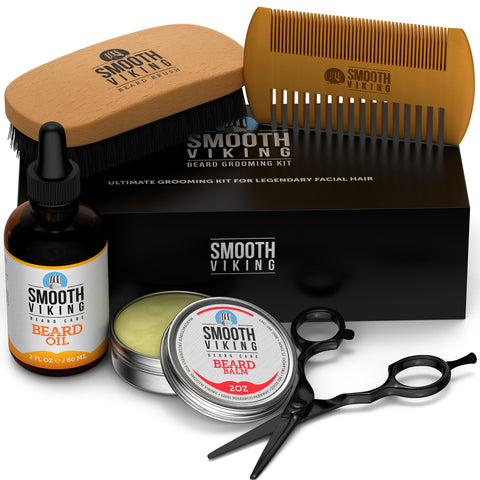
Smooth Viking beard oil and balm can help make the daily part easier by keeping the beard softer, more manageable, and less likely to wander over the line you worked to create. A quick brush after applying product takes less time than explaining why your beard appears to have its own weather system.
If You Cut It Too Low, Do This
First, do not keep “fixing” it. The instinct to lower the other side until they match is how a small mistake becomes a full beard emergency. Clean both cheeks only enough to make them reasonably balanced, then let the area grow back.
Most cheek growth fills in faster than it feels like it will. Keep the beard below the line neat, condition the hairs, and resist the urge to inspect the damage every hour. If the line is noticeably too low, a slightly shorter overall beard can make the proportions look more intentional while it recovers.
A great cheek line should look like you woke up looking put together, not like you hired a survey crew for your face. Start high, trim slow, and let your natural growth set the terms. That is how you keep the beard looking sharp without turning a five-minute grooming ritual into a Viking saga.