
How to Fix Beard Dandruff for Good
White flakes on a black tee will humble any man fast. If you’re trying to figure out how to fix beard dandruff, the good news is this: beard flakes usually aren’t some epic facial curse. More often, they’re your skin waving a little dry, itchy white flag because your routine is off, your products are too harsh, or your beard is trapping irritation.
Beard dandruff, also called beardruff, happens under the beard, not just in the hair itself. That matters. A lot of guys attack the beard hair and completely ignore the skin underneath, which is where the real battle is happening. If the skin is dry, inflamed, or overloaded with oil and dead skin cells, the flakes keep coming no matter how heroic your beard looks from five feet away.
How to fix beard dandruff starts with the cause
Before you start throwing products at your face like a berserker in a grooming aisle, it helps to know what’s actually causing the flakes. For some men, it’s simple dryness. Hot showers, cold weather, harsh face wash, and not enough moisture can turn the skin under your beard into a flaky mess.
For others, it’s oil buildup and irritation. That sounds backward, but too much oil can feed the yeast that naturally lives on your skin, which can lead to seborrheic dermatitis - a fancier term for red, itchy, flaky skin. If your beard dandruff comes with redness, greasy flakes, or a burning feeling, dryness might not be the whole story.
Then there’s plain old product misuse. Regular shampoo, bar soap, and aggressive scrubbing can strip the skin raw. A lot of men wash their beards like they’re degreasing an engine. Clean is good. Sandblasting your face is not.
Wash your beard like you respect your skin
If you want to know how to fix beard dandruff, start in the shower. Your beard does need washing, but not with whatever body wash happens to be nearby. Facial hair is coarse, and the skin underneath is more sensitive than the scalp. Use a beard wash or a gentle cleanser that won’t strip away every drop of natural oil.
How often depends on your skin. If your beard gets sweaty, dirty, or exposed to product daily, washing three to five times a week usually works well. If your skin runs dry, every day may be too much. On the other hand, if you work out hard, live in a humid climate, or use heavy styling products, you may need more frequent cleansing.
Water temperature matters too. Super hot water feels great for about thirty seconds and then your skin pays the price. Warm water cleans without pulling all the moisture out of your face.
When you wash, massage down to the skin with your fingertips. That helps loosen dead skin and product buildup where the flakes are actually forming. Then rinse thoroughly. Leftover cleanser can make irritation worse.
Exfoliate, but don’t go full barbarian
Dead skin likes to hide under thick facial hair. If it sits there long enough, it turns into visible flaking. That’s where exfoliation helps. The trick is keeping it gentle.
A beard brush, especially one with firm but not brutal bristles, can help lift flakes, spread natural oils, and train the beard to behave. A comb also helps, but it won’t exfoliate the skin the same way a brush can. Brushing a few minutes a day goes a long way, especially after washing and before applying beard oil.
Physical scrubs can work for some guys, but they can also irritate already angry skin. If your beard dandruff comes with redness or sensitivity, skip the gritty scrub and stick with brushing and mild cleansing. More force does not equal more progress.
Beard oil is not optional if your skin is dry
This is where a lot of men finally turn the corner. Beard oil does more than make your beard smell good and look less wild. It helps soften the hair while moisturizing the skin underneath, which is exactly where beard dandruff starts.
After showering, pat your beard damp, not bone dry. Add a few drops of beard oil into your palms, rub it in, and work it through the beard all the way to the skin. Don’t just slick the top layer and call it a victory. Get under there.
How much oil you need depends on beard length and density. A short beard might only need two or three drops. A bigger, thicker beard may need more. If your beard feels greasy an hour later, you probably overdid it. If it still feels dry and scratchy, use a little more.
The right oil can reduce itch, calm dry skin, and make flakes much less noticeable within days. For a lot of guys, this is the single biggest fix.
Beard balm can help, but it depends on your beard
If your beard is medium to long, beard balm can help lock in moisture and keep the beard looking more controlled. It’s especially useful in colder weather or dry climates when the air pulls moisture out of everything, including your face.
That said, balm is not a replacement for beard oil if your skin is the main issue. Balm sits more on the beard and gives some hold. Oil is usually better at reaching the skin beneath. For many men, the best combo is oil first, then a small amount of balm to seal things in and tame flyaways.
Check your routine for hidden troublemakers
Sometimes beard dandruff hangs around because the problem isn’t what you’re adding. It’s what you keep doing every day without thinking.
Your pillowcase can collect oil, sweat, and bacteria. Change it often. Your diet and hydration can affect skin health too. No, drinking water won’t magically transform your beard overnight, but if you’re running on coffee, takeout, and not much else, your skin may show it.
Stress can also stir things up. Skin conditions tend to get louder when life gets chaotic. If your beard suddenly goes from fine to flaky during a stressful stretch, that’s not your imagination.
And if you’re using hair pomade, styling cream, or any heavy product that migrates down onto your forehead and face, that can contribute to irritation around the beard line. Keep beard products for your beard and hair products for your hair unless the label says otherwise.
When beard dandruff might be more than dryness
Not every flaky beard is a basic grooming problem. If the skin under your beard is very red, painful, greasy, cracked, or producing thick yellowish flakes, you might be dealing with seborrheic dermatitis, eczema, psoriasis, or even a fungal issue.
That doesn’t mean panic. It just means the fix may need to be more targeted than wash, oil, repeat. Some men do better with medicated dandruff shampoos used carefully on the beard area a couple of times a week, especially if yeast overgrowth is part of the problem. But facial skin is more sensitive than the scalp, so go easy and watch for irritation.
If you’ve tried a solid routine for a few weeks and nothing improves, or it keeps coming back hard, it’s worth talking to a dermatologist. Real strength includes knowing when to call in reinforcements.
A simple routine that usually works
If you want the no-fuss version of how to fix beard dandruff, keep it simple. Wash your beard with a gentle beard cleanser a few times a week. Use warm, not scorching, water. Pat dry. Apply beard oil to the skin underneath every day, especially after showering. Brush the beard to lift flakes and distribute oils. Add beard balm if your beard is longer or extra dry.
That’s it. No twenty-step ritual. No sacred mountain herbs. Just consistent grooming that treats the skin under your beard like it matters.
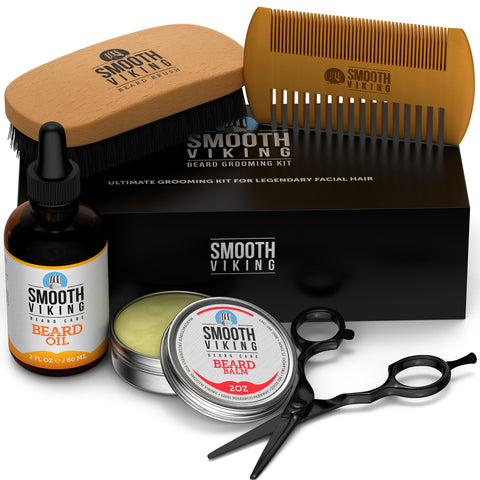
A brand like Smooth Viking built its lane on exactly that kind of routine - straightforward products, easy habits, better-looking results. Because most men don’t need more complexity. They need something that works before they finish their morning coffee.
How to keep beard dandruff from coming back
Once the flakes calm down, don’t go back to punishing your face. Maintenance is easier than recovery. Keep using beard oil even when your skin feels better. Stick with gentle washing. Brush regularly. Adjust with the seasons, because winter air and indoor heat can dry your skin out fast, while summer sweat may mean you need a little more cleansing.
Pay attention to what your beard is telling you. If it feels tight, itchy, and brittle, you probably need more moisture. If it feels greasy and your skin is irritated, you may need to wash more often or switch products. The best routine is the one your skin actually responds to, not the one some random guy swears by online.
A good beard should look rugged, not like it’s snowing in July. Get the skin right, stay consistent, and the flakes usually lose the war. Your beard doesn’t need drama. It needs a little discipline, a little moisture, and a man willing to stop washing his face like a cast-iron skillet.