
Beard Oil Essentials Every Man Should Know
That beard of yours can look rugged and sharp, or it can look like it lost a bar fight with a tumbleweed. The difference usually comes down to the beard oil essentials - what beard oil actually does, what goes into it, and how you use it without turning your face into a grease slick.
A lot of guys assume beard oil is just extra grooming fluff. It is not. If your beard feels itchy, looks dry, sticks out in weird directions, or leaves the skin underneath angry and flaky, beard oil is one of the simplest fixes in the game. It takes about 30 seconds, and when you do it right, your beard looks better, feels softer, and behaves like it got the memo.
What beard oil actually does
Beard oil is less about the hair itself than most guys think. The real target is the skin under your beard. Facial hair pulls moisture away from the skin, and once your beard gets any real length, your natural oils often cannot keep up. That is when the itch starts, then the flakes, then the rough texture that makes your beard feel like steel wool with attitude.
A good beard oil helps replace that lost moisture. It softens the beard, calms the skin, and gives the whole thing a healthier look instead of that dry, puffy, wiry mess. It can also make a beard look fuller because hydrated hair lays better and reflects light more evenly.
That said, beard oil is not magic. It will not fill in patchy genetics, turn three weeks of stubble into a lumberjack masterpiece, or tame a huge beard all by itself. If your beard is longer or especially wild, beard balm or a brush may need to join the raid.
Beard oil essentials: the ingredients that matter
When guys shop for beard oil, they often focus on scent first. Fair enough. Nobody wants his face smelling like a candle aisle gone wrong. But the real beard oil essentials start with the carrier oils, because those do the heavy lifting.
Carrier oils make up most of the formula. Jojoba oil is a favorite because it is lightweight and close to the skin's natural sebum, so it absorbs well without feeling overly greasy. Argan oil is another strong player because it softens coarse hair and adds a smoother finish. Sweet almond oil often shows up for hydration and softness, while coconut oil can help condition hair, though some guys find it a little heavy.
Then there are essential oils, which are usually added in smaller amounts for scent and sometimes for skin-soothing properties. Cedarwood, peppermint, tea tree, eucalyptus, and sandalwood are common choices. These can smell great, but more is not always better. If your skin is sensitive, heavily fragranced oils can be irritating.
That is where trade-offs come in. A lighter oil may absorb faster and feel cleaner during the day, but it might not be enough for a thick, coarse beard in dry weather. A richer blend may give better conditioning, but if you use too much, you can drift into shiny territory fast. Beard care is a little like barbecue - timing, quantity, and knowing your setup matter.
Lightweight vs heavier oils
If you keep a shorter beard or tend to run oily, lightweight oils usually make more sense. They hydrate without making your face feel coated. If you have a long, thick, or extra dry beard, a heavier oil blend may do a better job of softening stubborn hair and helping with frizz.
The trick is not finding the "best" beard oil in some universal sense. It is finding the one that matches your beard length, skin type, climate, and tolerance for shine.
How to use beard oil without overdoing it
This is where a lot of men go sideways. Beard oil is simple, but simple does not mean random.
The best time to apply it is after a shower or after washing your face, when your beard is clean and slightly damp. Not dripping wet. Slightly damp. That helps the oil spread more evenly and lock in moisture instead of just sitting on top of dry hair like a lazy houseguest.
Start small. For stubble or a short beard, two to three drops is usually enough. A medium beard may need three to five. A longer beard might take six or more, depending on thickness. Put the oil in your palm, rub your hands together, then work it into the beard and down to the skin. If you only smooth the top layer, you are basically styling the roof and ignoring the foundation.
After that, use your fingers, a comb, or a brush to distribute it evenly. This helps prevent clumps, keeps the beard looking cleaner, and trains the hairs to sit in a more controlled shape.
If your beard still feels dry a few hours later, the answer is not always more oil. Sometimes the real issue is harsh face wash, hot water, cold weather, or not using beard balm for hold. Oil helps, but it works best as part of a basic routine, not as the lone warrior charging into battle.
Beard oil essentials for different beard stages
A short beard has different needs than a full one, and this is where guys often use the wrong amount or expect the wrong result.
For stubble and early growth, beard oil is mostly about the skin. This is the itchy stage, the irritating stage, the stage where your beard tries to test your commitment. A few drops can make that phase a lot easier and keep you from scratching your face like you have poison ivy.
For medium beards, oil starts doing double duty. It still supports the skin, but now it also softens the hair and improves the shape of the beard. This is where your beard begins to either look intentional or accidental.
For longer beards, beard oil is still essential, but it may need backup. The longer the beard, the more likely you are dealing with tangles, puffiness, and flyaways. Oil keeps things conditioned, but balm helps with control, and a quality comb or brush helps distribute product where it needs to go.
How often should you use it?
For most guys, once a day is enough. If you live in a dry climate, spend time in harsh weather, or have a very coarse beard, you may do better with a morning application and a small touch-up later. If your beard looks greasy by noon, cut back. Your beard should look healthy, not like it was basted.
Common mistakes that wreck the results
The first mistake is using too much. More oil does not mean more manliness. It means clogged-looking hair, a shiny face, and pillowcases that have seen too much.
The second mistake is ignoring the skin underneath. Beard oil belongs on the beard and the skin, not just the surface. If the skin stays dry, the beard will never look its best.
The third mistake is buying based on scent alone. A great-smelling oil that leaves your face irritated is not a win. The formula has to work first.
Another common miss is expecting beard oil to style the beard like a wax or balm. Oil conditions. Balm controls. They are teammates, not twins.
And finally, inconsistency kills results. Using beard oil once every few days and wondering why your beard still feels rough is like going to the gym twice a month and expecting Viking shoulders.
Building a low-maintenance beard routine
The best grooming routine is the one you will actually do. That means keeping it simple. Wash your beard with something that will not strip it raw. Pat it dry. Apply beard oil. Comb or brush it through. If you need more shape, add balm after the oil settles in.
That is it. No 14-step ritual. No sacred mountain herbs harvested under a blood moon. Just a few solid products used consistently.
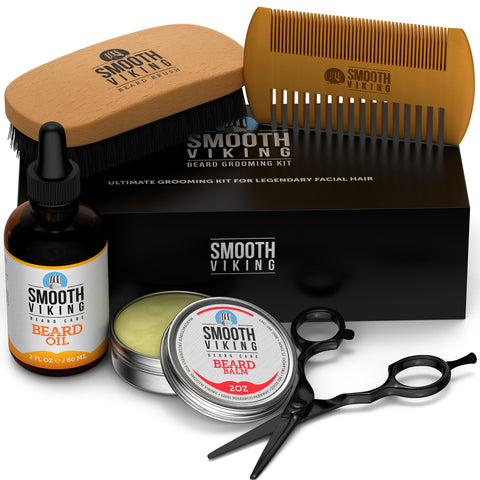
If you want your beard to look sharp without a lot of fuss, focus on the basics and do them well. A straightforward routine with the right beard oil, a decent comb, and a little consistency beats a bathroom counter full of products you barely use. Smooth Viking built its reputation on that exact idea - grooming that works hard without making life complicated.
Choosing the right beard oil for your routine
If your top priority is softer hair, lean toward oils known for conditioning, like argan and jojoba blends. If your skin gets irritated easily, look for simpler formulas and lighter fragrance. If your beard is thick and unruly, choose an oil that gives enough nourishment to calm frizz without forcing you to reapply every hour.
And be honest about your habits. If you want a no-drama morning routine, pick an oil that absorbs fast and feels clean. If you enjoy a stronger scent and a richer finish, go for it, but know what comes with that choice.
The goal is not to create a museum piece on your face. The goal is a beard that feels good, looks intentional, and does not make you dread grooming every morning.
A good beard does not need constant babysitting. It just needs the right essentials, a steady hand, and about half a minute of effort before you head out and conquer your day.