
Beard Oil for Coarse Hair Review for Tough Beards
Your beard should not feel like it could sand down a table. If every stroke of the comb catches, your cheeks itch, and your whiskers point in six directions before breakfast, this beard oil for coarse hair review is for you. Coarse facial hair needs more than a random splash of oil and blind optimism. It needs the right amount, the right ingredients, and a routine you will actually stick with.
The good news: beard oil can make a serious difference for wiry, dry, hard-headed growth. The honest news: it will not turn a naturally thick beard into silk overnight. What it can do is soften the feel, reduce roughness, condition the skin underneath, and make your beard far easier to shape without starting a wrestling match in the bathroom mirror.
What Coarse Beard Hair Actually Needs
Coarse hair is usually thicker in diameter, drier at the ends, and less willing to lie flat than finer facial hair. It can feel prickly even when it is short, then become bulky and unruly as it grows. The skin beneath it often gets ignored, which is where flaking, tightness, and that maddening beard itch like to set up camp.
A good beard oil works on both fronts. It lightly coats the hair to cut down on that dry, scratchy texture while helping replenish moisture at the skin level. Think of it as lubrication for your beard and backup for the face under it. When the hair is conditioned, a comb glides more easily, stray hairs settle down, and your beard looks intentional instead of freshly escaped from the woods.
Still, oil is not a styling product with heavy hold. If your coarse beard has a mind of its own, beard oil is the first move, not always the only move. A balm can add control after the oil has had a few minutes to absorb.
Beard Oil for Coarse Hair Review: What Makes One Worth Using
Forget fancy labels that promise you a beard worthy of mythology but leave it greasy by noon. For coarse hair, performance comes down to texture, absorption, and a formula that leaves your face comfortable.
The best oils feel light in your palms but have enough substance to condition dense growth. Oils such as jojoba, argan, sweet almond, grapeseed, and avocado are commonly used for good reason. Jojoba is especially popular because it feels close to the natural oils your skin produces. Argan can add softness and shine without making your beard look like it was dunked in fryer oil. Grapeseed tends to feel lighter, while avocado and castor oil can bring more weight to extra-dry, thick beards.
That balance matters. A very light formula may disappear fast in a long, thirsty beard. A heavier formula may feel great on a winter morning but be too much for a shorter beard or oily skin. There is no medal for using the thickest oil available. The right choice is the one that conditions your beard without making your collar, phone screen, and pillowcase pay the price.
Fragrance is another real-world test. A subtle woodsy, fresh, or clean scent can make grooming feel like part of getting ready. But if your skin is sensitive, heavily fragranced oil can cause irritation or compete with your cologne. Unscented is not boring when your face is the one calling the shots.
What You Can Expect After a Week
The first use should make your beard feel less crunchy and easier to comb. That is the immediate win. Over several days of consistent use, the bigger payoff is usually less itch, fewer dry flakes, and a beard that looks more even because the hairs are not sticking out at random.
Do not expect your hair’s natural texture to change permanently. Coarse hair is coarse hair. That is not a flaw, either. A thick beard has presence. The goal is to make it feel controlled, healthy, and touchable rather than brittle enough to file lumber.
Results also depend on your routine. If you wash your beard with harsh soap twice a day and use oil only when it resembles a tumbleweed, you are making the job harder. Gentle cleansing, regular oil, and occasional trimming work together. The sharpest beard routines are usually simple because simple routines get done.
How Much Beard Oil Does a Coarse Beard Need?
Most men with coarse growth underuse beard oil at first, then overcorrect and use half the bottle. Start with three to five drops for short to medium growth. A full, dense beard may need six to eight drops, especially in dry weather. Very long beards may need more, but add gradually.
Warm the oil between your palms first. Press and work it into the skin beneath your beard before smoothing what is left through the lengths and ends. This is the move many guys skip. Oil sitting only on the surface can make hair shiny, but conditioning the skin is what helps with dryness and itch.
Use a beard comb or brush after application. A wide-tooth comb is particularly useful for thick, curly, or coarse growth because it spreads the product without yanking through tangles. Brush downward and outward where needed, then shape the outline with your hands. You are directing the beard, not trying to flatten it into submission.
The best time to apply is after a shower, once your beard is towel-damp rather than dripping wet. Warm water makes hair more pliable, and a little remaining moisture helps the oil spread. If you shower at night, applying then is fine too. Your beard does not care what time it is. It cares whether you show up consistently.
The Trade-Off: Oil Versus Balm for Wiry Growth
For softness and skin comfort, beard oil is hard to beat. It absorbs quickly, feels low-maintenance, and works well for short beards through long beards. It is the everyday foundation for a coarse beard that feels dry, scratchy, or stubborn.
But oil alone may not hold a large beard in place through a windy commute, a long workday, or a date-night dinner where you would prefer not to eat your own mustache. That is where balm earns its seat at the longship. Balm adds waxes or butters that give the beard more structure and a slightly fuller appearance.
Use oil when your main problem is dryness, itch, or rough texture. Add balm when your beard is also expanding sideways like it is claiming new territory. Men with very thick growth often get the best result by using oil first, then a small amount of balm for shape.
Red Flags in a Beard Oil Review
A bottle can look rugged and still disappoint. Be skeptical if reviews repeatedly mention a greasy finish, a scent that lingers like an air freshener, leaking packaging, or irritation. One person’s favorite fragrance is another man’s migraine, so scent reviews are subjective. Complaints about absorption, stickiness, or breakouts deserve more attention because those issues affect day-to-day use.
Also watch for promises that sound too good to be true. Beard oil can improve how hair feels and looks. It cannot magically fill genetic gaps, permanently straighten curls, or replace a trim when split ends start taking over. Honest grooming products do the work they are built to do, without demanding a saga in return.
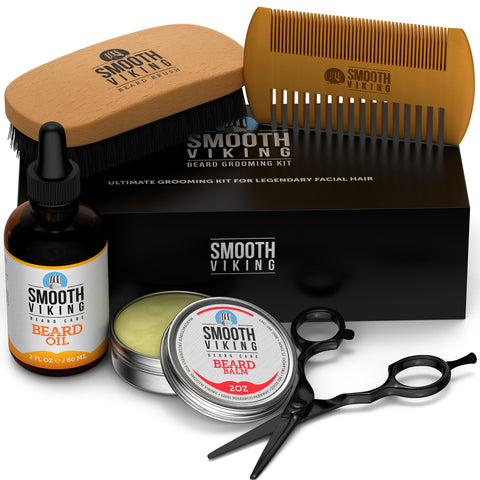
At Smooth Viking, the point of beard care is not to build a 14-step shrine in your bathroom. It is to give your beard what it needs, get it under control, and get on with conquering the day.
Make the Routine Easy Enough to Keep
The winning routine for coarse facial hair takes about a minute. Cleanse gently when needed, towel dry, work beard oil into the skin and hair, then comb it into shape. Add balm only when you want extra control. Trim the strays every couple of weeks, especially around the mustache and neckline, so all that healthy conditioning has a clean shape to show off.
If your beard still feels rough after regular oil use, look at the rest of the equation. Dry indoor air, very hot showers, overwashing, and not drinking enough water can all make a beard feel more parched. Sometimes the fix is not a stronger product. It is using the product consistently and treating your face a little less like a cast-iron skillet.
A coarse beard does not need to be tamed into something it is not. Give it a few drops of the right oil, a proper comb-through, and a little daily discipline. Let the beard keep its grit while you keep control.