
Aftershave Balm for Razor Burn Review: Does It Work?
Your shave was supposed to make you look sharper, not leave your face feeling like it lost a battle with a cheese grater. This aftershave balm for razor burn review gets down to what actually helps when your skin is red, tight, stingy, or covered in those annoying little bumps.
The short version: a good balm can make a real difference, but it is not magic armor. If your blade is dull, your technique is reckless, or you shave dry like a man racing into battle with no shield, even the best balm has a tougher job ahead of it. Still, the right formula can calm your skin, restore moisture, and make the post-shave part of your routine feel less like punishment.
What an aftershave balm should do for razor burn
Razor burn is your skin waving a very angry flag. It usually shows up as redness, heat, tenderness, itching, or tiny irritated bumps after shaving. It can happen because of too much pressure, too many passes over the same area, a dull blade, poor shave prep, or a product that leaves your face stripped and dry.
A solid aftershave balm should handle three jobs without turning your face into an oil slick. First, it should soothe that immediate hot, scratchy feeling. Second, it should put moisture back into skin that has just been dragged across by a blade. Third, it should support your skin barrier so it is less likely to feel dry and irritated later in the day.
That is why balm beats a harsh splash for plenty of guys. Traditional alcohol-heavy aftershaves can give you that sharp sting and barbershop kick, but they may be too drying if you already deal with razor burn. A balm is generally the better move when comfort is the mission.
Aftershave balm for razor burn review: what matters most
Not every product labeled “aftershave” deserves a spot in your medicine cabinet. The bottle can look rugged enough to sit on a Viking longship, but performance is what counts.
The best balms spread easily with a small amount and absorb without leaving a greasy film. You should be able to apply it, get dressed, and head out without your collar sticking to your neck. A little cooling or calming sensation is welcome. A face on fire is not.
Look for moisturizing and skin-conditioning ingredients that help offset dryness after shaving. Ingredients such as aloe, glycerin, shea butter, jojoba oil, and lightweight plant oils are common choices because they can help skin feel softer and less tight. The exact formula matters less than how your skin responds to it. A guy with dry cheeks may love a richer balm, while someone with oily or acne-prone skin may prefer a lighter finish.
Fragrance is another trade-off. A clean scent can make the routine feel more put together, especially if you enjoy a classic masculine grooming finish. But if your skin gets irritated easily, heavily fragranced products may be a gamble. When razor burn is already raging, simple and gentle usually wins the day.
The feel test: balm versus splash versus lotion
An aftershave splash is often thin, fast-drying, and bracing. It is great if you love that old-school sting, but it may not provide enough moisture for dry or sensitive skin. Think of it as the fast axe swing of post-shave products: quick, dramatic, and not always gentle.
A balm is creamier and usually more focused on comfort. It is the better all-around choice for men who shave frequently, deal with winter dryness, or get red around the neck and jawline. It can also work well for guys who maintain beard edges and clean up the cheeks, where repeated detail shaving can cause irritation.
A regular face lotion can hydrate, but it is not always designed for freshly shaved skin. Some formulas contain strong fragrances, active ingredients, or heavier textures that do not feel great on a fresh shave. If you have a reliable facial moisturizer, it can be useful after balm or on non-shave days. But a dedicated aftershave balm earns its place by doing the soothing job first.
How to use balm without overdoing it
More product does not mean more relief. In fact, using a giant handful of balm can leave your skin shiny, clogged, or uncomfortable. Start with a dime-sized amount for your whole face, or less if you are only shaving your neckline and cheek lines.
After shaving, rinse away leftover cream and loose hair with cool or lukewarm water. Pat your face dry with a clean towel. Do not scrub like you are sanding a deck. Your skin has already had enough action for one morning.
Warm the balm between your palms for a second, then press and smooth it over the shaved areas. Give extra attention to your neck, jawline, and upper lip if those are your usual trouble zones. Let it absorb before adding sunscreen, beard oil, or any other product.
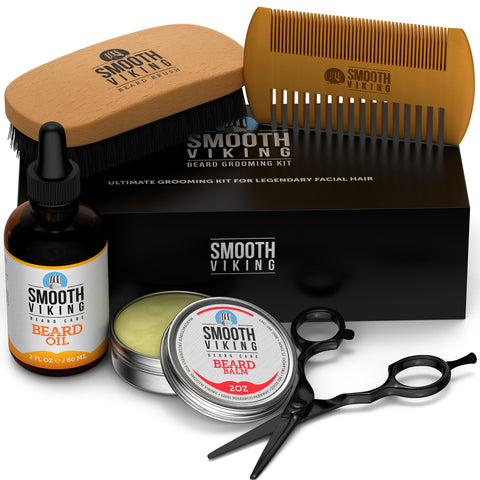
If you wear a beard, use the balm on the skin you shaved, not as a replacement for beard care. After the balm settles, beard oil can soften the beard and help condition the skin underneath. Different tools, different jobs. A proper grooming kit does not ask one warrior to carry every weapon.
When balm cannot fix the real problem
Here is the honest part of this review: if razor burn happens every time you shave, the balm may be treating the aftermath instead of the cause. It will help you recover, but your shaving habits may still be picking fights with your face.
Check your blade first. If it tugs, skips, or requires repeated passes, replace it. Use warm water before shaving to soften the hair, and apply a shave cream or gel with enough slip to protect your skin. Shave with the grain where possible, especially on the neck. Going against the grain can deliver a closer finish, but it also raises the odds of irritation and ingrown hairs.
Pressure matters more than most men think. Let the razor do the cutting. Pressing harder does not make you tougher. It makes you redder. Rinse the blade often, keep your strokes short, and resist the urge to keep chasing one perfectly smooth patch after it has already been shaved three times.
If you have painful bumps, signs of infection, frequent ingrown hairs, or irritation that will not settle down, it is worth checking with a dermatologist. No grooming product should have to carry the entire longship alone.
Who gets the most value from an aftershave balm?
An aftershave balm is especially useful for men with dry, sensitive, or easily irritated skin. It also makes sense for daily shavers, men who shave their heads, and beard owners who regularly clean up their neckline and cheek lines. Those small detail shaves can create serious irritation when they happen week after week.
Men with oily skin can use balm too, but texture becomes more important. Choose a lighter formula, use less of it, and give it a few days before deciding whether it works for you. One bad shave does not always mean the balm failed. Your blade, shave cream, water temperature, sleep, stress, and skin condition all get a vote.
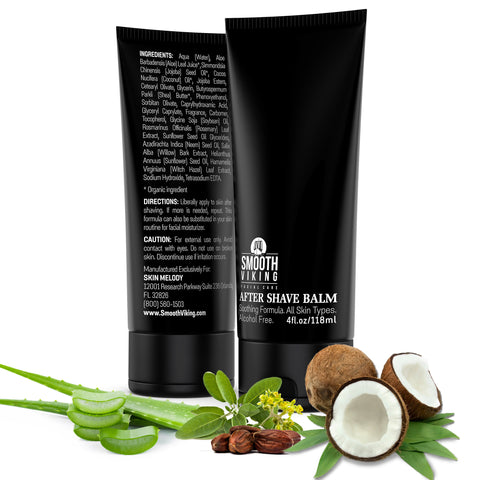
For an everyday option, Smooth Viking After Shave Balm fits the kind of routine most men actually want: straightforward post-shave care that helps your skin feel comfortable without adding a twelve-step ceremony to the morning.
The verdict: worth adding to your routine?
Yes, if razor burn is part of your regular shave story. A good aftershave balm is one of the simplest upgrades you can make because it addresses the dry, irritated feeling right when it starts. It will not erase bad technique, and it will not turn a worn-out razor into a precision tool. What it can do is make your face feel calmer, softer, and more ready to take on the day.
Use it consistently, keep your blades fresh, and shave like you have something to protect. Your face is not a proving ground. It is the first thing people see when you walk into the room.