
Top Hair Clay Options for a Stronger Hold
Your hair should not surrender before lunch. If your current styling product leaves you with limp strands, a shiny helmet, or flakes on your shoulders, it is time to consider the top hair clay options built for a tougher job. A good clay gives you grip, texture, and control without making your head look like it was shellacked in a garage.
Hair clay is the workhorse of the styling shelf. It can add body to fine hair, tame thicker hair, and keep a textured style looking intentional instead of accidental. But not every clay fits every Viking. The best choice comes down to your hair type, the finish you want, and how much hold your day demands.
Why Hair Clay Earns Its Place in Your Routine
Clay is usually the move when you want a natural, mostly matte finish with real control. Unlike a traditional high-shine pomade, clay helps hair look fuller and more lived-in. It is particularly useful for short to medium lengths, messy crops, quiffs, side parts, and styles with separation rather than a perfectly slick surface.
The secret is grip. Many clays use ingredients such as kaolin or bentonite clay to create friction between strands. That friction gives hair texture and makes it easier to mold. For guys with fine or thinning-looking hair, this can make a major visual difference. Your hair gets more lift at the roots and more substance through the style.
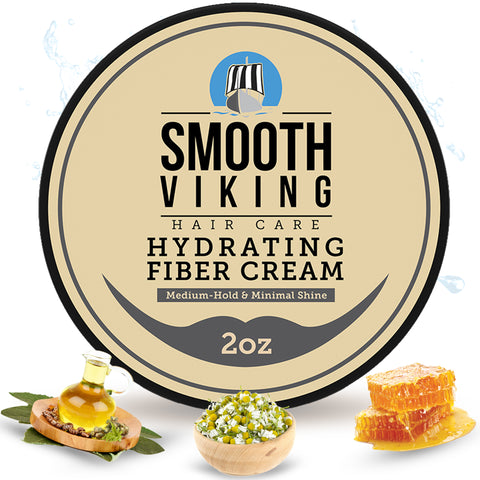
There is a trade-off, because more grip can also mean a drier feel. A strong clay may not be the best daily pick if your hair is already brittle, heavily bleached, or crying out for moisture. In that case, a hydrating fiber cream or a lighter styling cream may serve you better on some days. Grooming is not a blood oath. Use the right weapon for the battle.
Top Hair Clay Options Come Down to Hold and Finish
The word “clay” gets tossed around like every tin delivers the same result. It does not. The top hair clay options tend to fall into a few useful camps, and knowing the difference prevents a bad-hair-day ambush.
Light-hold clay for easy, natural texture
A lighter clay works well for relaxed movement. Think short, tousled hair, a soft side sweep, or a style that should look good without looking overly styled. It is usually easier to apply and rework throughout the day, which makes it a solid starting point for men who are new to clay.
The compromise is obvious: a light hold will not command thick, heavy hair into a tall pompadour through humidity, wind, and a long commute. It gives direction, not dictatorship.
Medium-hold clay for the everyday win
Medium hold is the sweet spot for most men. It offers enough control for a textured quiff, modern crop, side part, or casual business style, while still allowing a little flexibility. You can get height without turning your hair into a rigid monument.
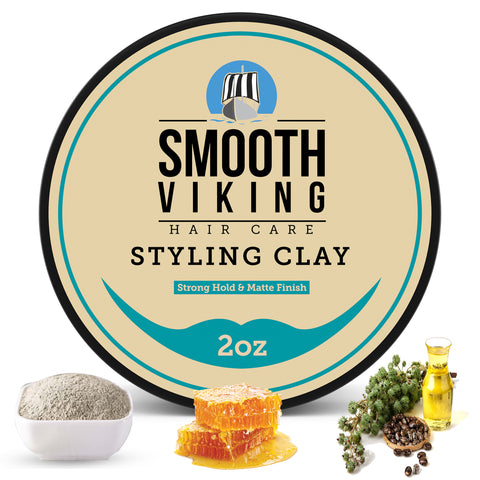
This is the lane where an everyday styling clay should live. Smooth Viking Hair Styling Clay is made for that practical balance: strong-looking texture, a natural finish, and simple application before you head out to conquer the day. Use it when you want your hair to look handled, not overhandled.
Strong-hold clay for thick hair and long days
If your hair is thick, coarse, stubborn, or determined to point in six different directions, strong-hold clay is your ally. It has the muscle to control bulk and hold shape when the weather starts acting disrespectful. It is also a better bet for structured styles with volume.
Strong clay requires a more careful hand. Apply too much and even a quality product can feel heavy, dry, or difficult to wash out. Start with a pea-sized amount, then add more only if your hair is still putting up a fight.
Matte clay for low-shine confidence
Most men shopping for clay want a matte or low-shine finish. Matte does not mean dull or dusty. It means your hair keeps a natural-looking surface instead of reflecting every overhead light in the building.
A matte clay is especially flattering if you have fine hair, because excess shine can make the scalp show more. It also works well for casual and rugged styles where texture is the main event. If you prefer a clean, classic, polished look with obvious shine, pomade is probably the better captain of that ship.
Match the Clay to Your Hair Type
The label can promise barbarian-level hold, but your hair type gets the final vote. Fine hair needs lift without too much weight. Start with a lightweight matte clay, apply it to fully dry hair, and focus most of the product near the roots. Wet or damp hair can flatten fine strands before the clay has a chance to work its magic.
Thick hair can handle more product and often benefits from medium or strong hold. Work the clay through your hands until it is nearly invisible, then apply from the back of your head forward. Starting at the front often creates a clump of product near the hairline while the rest of your hair stages a rebellion.
Wavy hair tends to look excellent with clay because the natural movement has something to grab onto. Use a small amount to separate waves, reduce puffiness, and add definition. Curly hair needs more caution. Clay can shape curls, but overly dry formulas may create frizz or make curls feel crunchy. A moisturizing cream may be the better first layer, with a tiny bit of clay only where you need control.
For short hair, clay adds texture fast. For medium hair, it gives volume and shape. Longer hair can use clay too, but it usually needs a lighter touch and may benefit from a creamier product if softness matters more than firm hold.
How to Apply Hair Clay Without Looking Overdone
Hair clay is powerful stuff. That is good news, unless you scoop out enough to style a small village. Start small. For short hair, use roughly a pea-sized amount. For thick or medium-length hair, begin with a dime-sized amount.
Rub the clay between your palms and fingers until it warms up and spreads evenly. Do not rush this part. Cold product goes on in chunks, and chunks are the enemy of a clean style. Once your hands have a thin, even coating, work the product through dry hair from the roots outward.
Use your fingers for texture and separation. Use a comb only if you are after a cleaner side part or more controlled shape. Then leave it alone for a minute. Constantly touching your hair can break down the style and transfer natural oils back into it.
If you need extra volume, blow-dry your hair first while directing it into position. Clay performs better when the shape already exists. Product should reinforce the plan, not do all the heavy lifting after your hair has dried flat against your skull.
Watch for These Clay Mistakes
The first mistake is using clay like gel. Gel often works best in damp hair and dries firm. Clay generally performs best in dry hair, where it can create lift and textured control. Putting it into soaking-wet hair usually dilutes the effect and leaves you wondering why your style disappeared.
The second is chasing maximum hold every day. Stronger is not always better. If you have fine hair or prefer movement, too much hold can make the style look dense and unnatural. Choose the lowest hold that keeps your style where you want it.
The third is ignoring buildup. Even water-based clay can collect if you keep layering product without washing properly. Shampoo when your hair needs it, rinse thoroughly, and do not confuse a greasy scalp with a need for more styling product. That is how legends become cautionary tales.
The Right Clay Makes Styling Feel Simple
The best clay is not the one with the loudest promise on the tin. It is the one that gives your hair the hold, texture, and finish you actually want without demanding a 20-minute ritual. Start with a medium-hold matte clay if you want the safest all-around choice, then adjust based on your hair’s attitude.
A small amount, warm hands, dry hair, and a clear idea of the style you want will take you a long way. Your hair does not need a miracle. It needs a product that can keep up with you.