
Men's Grooming Trends That Actually Look Good
The best men's grooming trends are not asking you to become a bathroom chemist or spend 40 minutes polishing your cheekbones. They are about looking like you have your act together: a beard that feels soft instead of scratchy, hair with shape instead of helmet-head shine, and skin that does not look like it just lost a fight with winter.
The real shift is simple. Men are choosing fewer products that do specific jobs well. No fussy rituals. No shelf full of mystery bottles. Just dependable grooming moves that make you look sharper before work, a date, the gym, or whatever battle the day throws your way.
Men's Grooming Trends Are Getting More Personal
Copy-paste grooming is on its way out. The haircut, beard, and routine that work for one guy can make another guy look like he borrowed a face from a different movie.
That means more men are building around what they actually have. Thick, stubborn hair needs control without turning stiff. Fine hair needs lift without being coated in greasy product. A dense beard may need regular softening and brushing, while a shorter beard needs clean lines and enough moisture to prevent itch. The goal is not perfection. It is knowing your terrain and commanding it.
This is good news for guys who have been told they need a 12-step routine. You do not. You need the right routine for your hair texture, beard length, skin type, and tolerance for standing in front of a mirror before coffee.
The Low-Maintenance, High-Intent Look
A polished look is still popular, but it has loosened its tie. Hair is less shellacked and more touchable. Beards are full but shaped. Skin looks healthy rather than aggressively matte or glossy enough to guide ships through fog.
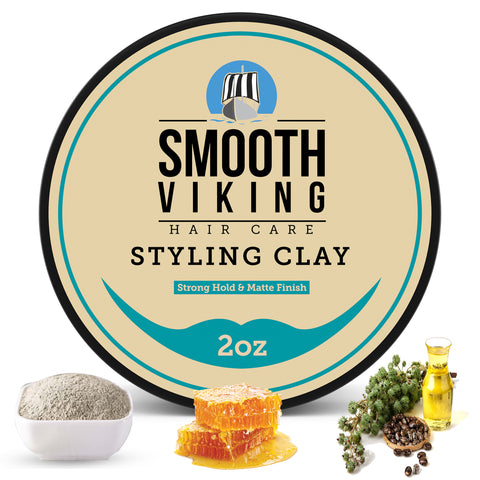
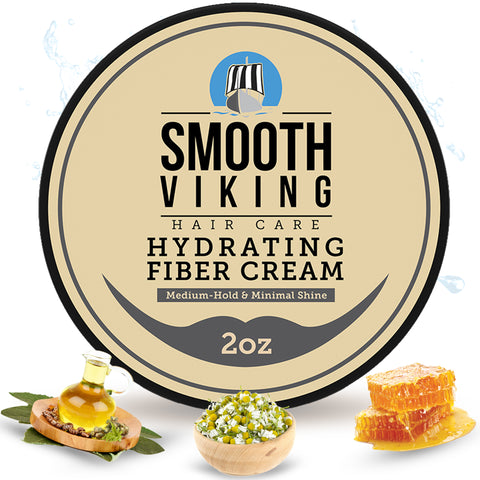
Think controlled texture. A styling clay can give short to medium hair separation and a natural-looking hold, especially if you want volume without obvious shine. Pomade remains a strong choice for classic styles, slick backs, side parts, and any cut that benefits from a cleaner finish. Fiber cream often sits in the sweet spot for men who want flexible definition without making their hair feel like a construction project.
The trade-off is that natural-looking style still takes some intention. If you use too little product, thick hair may ignore your plans completely. Use too much, and even the best formula can flatten fine hair or create buildup. Start small. You can always add more. Your hair is not chili.
Beards Are Fuller, Cleaner, and Better Conditioned
The giant lumberjack beard has not vanished, but it has matured. The current move is a beard that looks grown on purpose. It has a defined neckline, a reasonable cheek line, and enough conditioning that it does not resemble a dry scrub brush.
Length is a personal call. Short beards can sharpen the jaw and are easier to maintain. Medium and longer beards deliver more presence, but they ask for more upkeep. That is not a threat. It is the deal. The longer the beard, the more likely it is to tangle, dry out, hold onto lunch, and develop a mind of its own.
Beard Oil Is Skin Care Wearing a Beard
One of the smartest trends is treating beard care as skin care. Beard oil does more than add a little polish to facial hair. It helps condition the hair and supports the skin beneath it, where dryness and itch often start.
Apply it when your beard is clean and slightly damp, then work it down to the skin with your hands. A few drops can be enough for a short beard; a longer beard usually needs more. Follow with a comb or brush to distribute the oil and train stray hairs in a more civilized direction.
For extra hold and shape, beard balm earns its place. Oil is usually the better first move for softness and conditioning. Balm adds a little structure, which helps when your mustache keeps trying to enter the conversation before you do. Plenty of guys use both: oil for the skin and beard, balm for the finish.
Clean Lines Beat Over-Trimmed Lines
Sharp edges are trending, but there is a difference between clean and carved. A natural cheek line with light cleanup tends to look better than a dramatic line drawn halfway down your face. Same rule below the chin: define the neckline, but do not trim it so high that your beard looks like it is trying to escape your jaw.
If you are unsure where to start, remove only the obvious outliers first. You can always take more off. You cannot glue it back on before Friday night.
Scalp Care Is Finally Part of the Routine
A good hairstyle starts before the styling product. More men are paying attention to scalp comfort, washing habits, and the stuff that makes hair look lifeless before the day even begins.
Overwashing can leave some scalps and hair types feeling dry, especially if you use a harsh cleanser every day. On the other hand, going too long between washes can lead to oil, product buildup, and hair that refuses to cooperate. It depends on your hair, activity level, and how much styling product you use. A guy with short, oily hair who trains daily may need a different schedule than a guy with curly, dry hair.
The practical rule: pay attention to what your hair is telling you. If it feels brittle, frizzy, or squeaky-clean, ease up. If it feels heavy, greasy, or flat at the roots, wash more consistently and make sure you are rinsing product out properly.
Skin Care Without the Fancy-Pants Ceremony
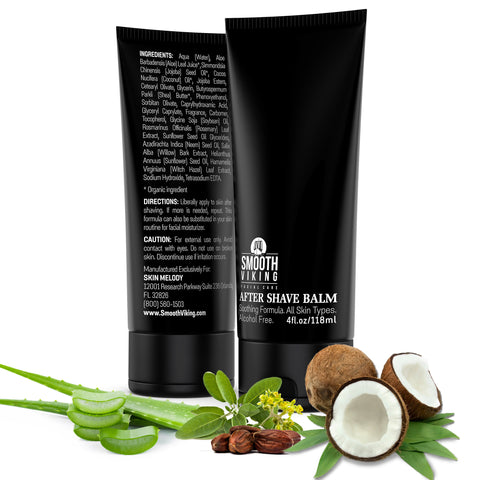
Men's grooming is moving away from the idea that skincare has to be complicated to count. The basics remain undefeated: cleanse, moisturize, and use sunscreen during the day. If shaving is part of your routine, add a soothing after shave balm to calm the skin rather than hitting it with something that stings like a Viking raid.
The key trend here is prevention over panic. A little daily moisture can make a bigger difference than throwing five new products at your face after it gets dry and irritated. Sunscreen matters too, whether the sky is blazing or pretending to be harmless. It helps protect the skin you are trying to keep looking healthy.
If you deal with persistent acne, painful razor bumps, severe redness, or flaky patches that will not quit, grooming products may not be the whole answer. That is a good time to talk with a dermatologist. Knowing when to call in reinforcements is not less masculine. It is strategic.
The Return of Useful Grooming Tools
Tools are having a moment because they work. A beard comb helps detangle and direct longer facial hair. A brush can distribute natural oils and help a beard look fuller. A quality trimmer makes cleanup faster and keeps your neckline from becoming an archaeological site.
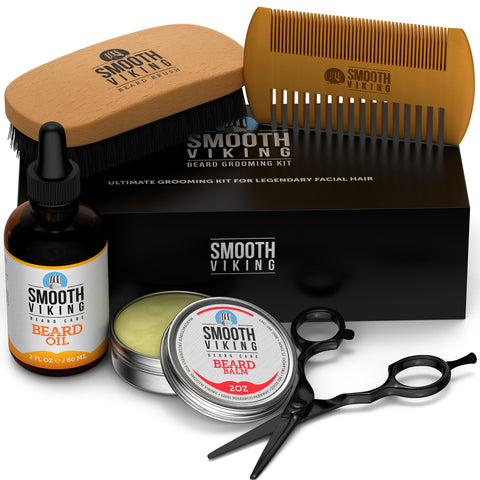
The trend is not collecting gadgets for the sake of it. It is having a small set of tools you will actually use. A comb, brush, trimmer, and a reliable pair of grooming scissors can cover a lot of ground without turning your sink into a hardware store.
Giftable grooming kits are popular for the same reason. When the products and tools are chosen to work together, you spend less time guessing and more time looking put together. Smooth Viking built its approach around that kind of no-nonsense routine: practical gear for men who want results, not a seminar.
How to Make Trends Work for You
Do not chase every style coming off social media. A great grooming routine should survive real life: humid commutes, office lights, workouts, cold weather, date nights, and the occasional morning when you oversleep and have six minutes to become presentable.
Start by improving the thing that bugs you most. If your beard is dry, focus on oil and brushing. If your hair falls flat, test a small amount of clay or fiber cream and learn how your hair responds. If shaving leaves your face irritated, upgrade the post-shave step. One useful change beats a drawer full of abandoned grooming experiments.
The trend worth keeping is not a particular beard length or haircut. It is the habit of showing up looking deliberate. Keep it simple, use products that pull their weight, and leave the house looking like you meant to conquer the day.