
How to Style Messy Hair Without Looking Messy
Messy hair is not the same thing as bedhead. One says, “I know exactly what I’m doing.” The other says your alarm clock won. The difference comes down to texture, direction, and using enough product to keep the whole operation from collapsing by lunch.
If you’re figuring out how to style messy hair, forget the idea that you need to sculpt every strand into submission. The goal is controlled disorder: natural movement, visible texture, and a style that looks good whether you’re heading to work, meeting friends, or riding into battle against a brutal Monday.
Start With the Right Haircut
A great messy style begins before you touch a styling product. If your hair is cut too blunt, too heavy, or the same length all over, it can sit like a sad helmet instead of breaking into natural texture.
Ask your barber for layers and texture, especially through the top. This removes bulk and gives the hair room to separate when you work product through it. Short sides with a textured top are easy to style and work for most guys. Medium-length hair can lean more relaxed and swept back, while longer hair needs more control at the roots so it does not turn stringy.
Your face shape and hair type matter, too. Thick hair can handle more length and stronger products, but it may need thinning or layering to avoid looking puffy. Fine hair usually looks best with a shorter, textured cut because too much length can make it fall flat. Curly or wavy hair already has an advantage - use that natural movement instead of trying to fight it into a stiff, straight style.
How to Style Messy Hair Step by Step
The best messy hairstyles look effortless because the prep is doing the hard work. Give yourself a few minutes, not an hour. This is grooming, not a hostage negotiation with your mirror.
Begin With Damp, Not Soaking, Hair
Towel-dry your hair after a shower until it is damp. Hair that is dripping wet dilutes product and makes it harder to build lift. Hair that is completely dry can be harder to shape, especially if it naturally sticks in one direction.
If you did not shower, mist your hair lightly with water. You only need enough moisture to reset the shape and wake up yesterday’s flat spots.
Build Volume Before You Add Hold
Messy styles need lift at the roots. Without it, all the texture in the world will still look like hair that gave up.
Use your fingers to lift the hair up and away from the scalp while blow-drying on low or medium heat. Aim the dryer in the direction you want the hair to move, but do not obsess over perfect lines. For a loose quiff, dry the front upward and slightly back. For a textured crop, dry the top forward, then disrupt it with your fingers. For a messy side sweep, establish a general part without carving one into your scalp like a trench.
A blast of cool air at the end helps the hair hold its shape. It is a small move, but it keeps your volume from disappearing the moment you step outside.
Use Less Product Than You Think
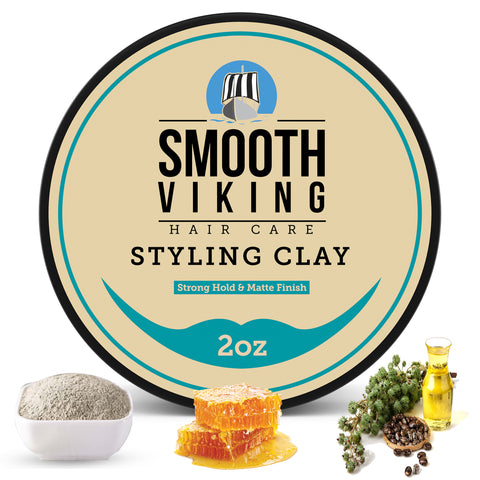
This is where many men turn “messy” into “greasy.” Start with a pea-sized amount of a matte clay, fiber cream, or other flexible styling product. Warm it fully between your palms until it feels nearly invisible. If you can see a white glob sitting in your hair, the product is not ready - and neither are you.
Work it through from the back toward the front. Starting at the front usually overloads your fringe, leaving it shiny, heavy, and weirdly crunchy. Get product through the roots and middle lengths first, then use whatever is left on your hands to define the front.
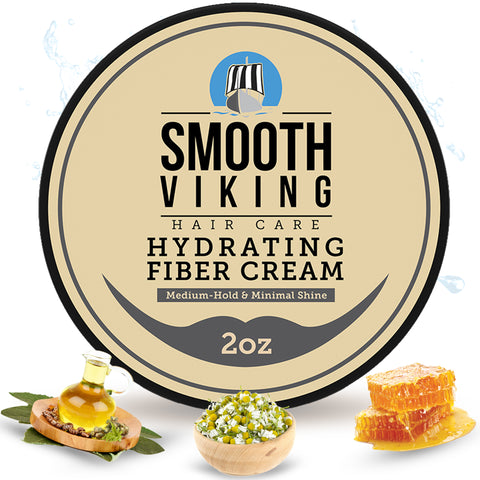
A matte hair styling clay is a strong choice for thick, straight, or stubborn hair because it delivers texture and hold without the wet look. A hydrating fiber cream is better when your hair is dry, fine, wavy, or medium length and you want a softer finish. Pomade can work for a messier style too, but it brings more shine and structure. That is better for a slick, undone look than a dry, lived-in one.
Break the Rules With Your Fingertips
Put the comb down. Your fingers are the whole point here.
Pinch small sections of hair to create separation. Twist a few pieces lightly, then pull them apart. Push some hair forward, some up, and some slightly to the side. The movement should look random from a distance, but it should still follow an overall shape.
Think of it this way: your hair needs a destination, not a strict itinerary. A messy quiff still has height at the front. A textured crop still has direction. A loose side sweep still has balance. Make the style look intentional first, then rough it up just enough to give it character.
Match the Product to Your Hair Type
No single product wins every fight. Your hair texture, density, and desired finish decide what belongs in your hands.
For thick, coarse hair, reach for a high-hold matte clay. It gives you grip, keeps bulk under control, and helps separated pieces stay separated. Work in small amounts. Thick hair can handle more product, but it can also turn stiff fast if you keep piling it on.
For fine or thinning hair, lightweight fiber cream is often the better move. Heavy waxes can pull fine strands together and expose more scalp. A lighter product adds texture without dragging the hair down. Blow-drying first is especially useful here because it gives your hair a stronger foundation before product enters the arena.
For naturally wavy hair, use a cream or low-shine paste and let the wave do some of the styling. Scrunch product upward into damp hair, dry it gently, and avoid overworking it. Too much brushing can turn good waves into a puffball with trust issues.
For curly hair, moisture matters as much as hold. Work a hydrating cream through damp curls, scrunch, and let the shape form naturally. A little extra product on the ends can cut frizz, but avoid raking through curls once they dry. That is how definition disappears.
Common Mistakes That Kill the Look
The first mistake is making every section equally messy. Real texture has contrast. Keep a little more height on top, slightly cleaner sides, and a few deliberate pieces around the front. If everything goes in every direction, you do not have texture. You have a weather event.
The second mistake is applying product only to the surface. Your hair needs support at the roots, not just a shiny layer on top. Get your hands underneath and work upward.
The third is chasing perfection. Messy hair should not look identical every day. That is part of the appeal. The basic shape can stay consistent, while the small details shift depending on how your hair dries, the weather, and whether you slept like a Viking in a longship or a man folded into one corner of the bed.
Finally, do not ignore wash day. Product buildup can make hair limp, dull, and harder to style. Use a quality shampoo regularly, condition if your hair feels dry, and give your scalp a clean start. Fresh hair responds better to every product you put on it.
Make It Last Past Noon
A flexible style needs a flexible reset. Rather than adding a giant second scoop of product halfway through the day, dampen your fingertips and reactivate what is already in your hair. Lift at the roots, pinch a few sections back into place, and move on.
If your style falls flat often, the issue may not be your product. It may be that you are skipping the blow-dryer, using too much conditioner near the roots, or wearing a cut that is too long for the volume your hair naturally has. Fix the foundation before declaring war on your hair.
Smooth Viking styling products are built for this kind of everyday control: enough hold to keep your hair in line, enough flexibility to keep it from looking like it enlisted in the army.
The best messy style does not ask for permission. Get the shape right, keep the finish natural, and leave a few edges rough enough to prove you have better things to do than stare at your reflection all morning.