
How to Style Hair for Black Men Right
You can have a clean cut, a sharp beard, and solid style, but if your hair is dry, undefined, or fighting back by noon, the whole mission gets harder. Knowing how to style hair for black men starts with one truth most guys learn the hard way: your best style is the one that works with your texture, not against it.
That means less copying random photos, more understanding what your hair actually needs. Coily hair, kinky hair, waves, curls, locs, and twist-out styles all play by slightly different rules. The good news is you do not need a barbershop-level routine or a bathroom full of mystery jars. You need the right cut, the right product, and a few habits that keep your hair looking intentional instead of accidental.
How to style hair for black men without fighting your texture
Black men's hair can do a lot, but it usually does best when moisture and hold are balanced. Too much hold and the hair gets stiff, flaky, or dull. Too much moisture with no structure and the style can collapse fast. That balance changes depending on your length and pattern.
Shorter styles usually need shape more than movement. A fade, Caesar, sponge curl look, or waves benefit from clean edges and light-to-medium product that adds control without turning your scalp into a grease slick. Medium-length curls and twist styles need more hydration and softer hold so definition stays intact. Longer styles, including locs or stretched natural hair, need moisture first and styling second. If you reverse that order, you usually get buildup, frizz, or both.
This is where guys often overdo it. More product does not mean more control. It usually means your hair feels heavy, looks less natural, and needs washing sooner. Start small. You can always add more. Trying to scrape out excess pomade like you are de-icing a windshield is not the move.
Start with the cut, not the product
A strong style begins in the barber chair. If the cut does not suit your head shape, hairline, and daily routine, no styling product is riding in like a horned hero to save it.
If you keep your hair short, ask for a cut that makes sense with your growth pattern. Some guys look best with a low taper and natural line. Others want a sharper lineup and higher fade for contrast. If your crown grows in multiple directions, tell your barber. If your hairline pushes back a little, work with it instead of demanding a painted-on edge that lasts half a day.
For curls and longer natural styles, shape matters more than many men realize. Bulk in the wrong places can make the whole look feel uneven. The right cut builds structure so your hair falls better, twists cleaner, and styles faster. That means less morning wrestling and fewer bad hair days trying to play defense.
Figure out what your hair needs most
Before you style, know your main issue. Most men are dealing with one of four things: dryness, lack of definition, weak hold, or shrinkage.
Dryness is the big one. Black hair tends to lose moisture faster, especially if you shampoo too often, use harsh products, or skip conditioning. If your hair feels rough, looks dull, or snaps easily when you pick it out, moisture needs to be your first priority.
Lack of definition usually shows up in curls, coils, and twist styles. The hair is healthy enough, but it looks fuzzy instead of shaped. That often means you need a cream or light styler that helps the pattern group together.
Weak hold is different. Your style starts strong, then gives up before lunch. In that case, your product may be too light, or you may be applying it to soaking wet hair when your style would hold better on damp hair.
Shrinkage is not a flaw. It is just part of textured hair. But if you want a more stretched look, you need styling methods that elongate the hair without cooking it with too much heat.
The best routine is simple and repeatable
If you want to know how to style hair for black men in real life, not just for photos, build a routine you can actually stick to on a Tuesday morning. It should take a few minutes, not a sacred ceremony under a full moon.
Start with clean or refreshed hair. That does not always mean shampoo. Sometimes a light rinse or leave-in refresh is enough. Shampoo too often and you strip moisture. Wait too long and product buildup starts sabotaging your style.
Apply moisture first if your hair is curly, coily, or longer than a close crop. A leave-in conditioner or hydrating cream gives your hair flexibility and helps reduce frizz. Then use your styler. For a natural finish with texture, a hair clay or fiber cream can work well on shorter cuts. For more shine and hold, pomade makes more sense, especially on waves, neat brush styles, or sculpted looks. The trade-off is simple: more shine can mean more visible buildup if you go heavy.
Work the product through with your hands, then use the right tool. A brush helps lay waves and clean up shorter styles. A sponge can define curls on the right hair length. A wide-tooth comb or fingers work better for longer curls and twists because they disturb the pattern less. The tool matters. Using a fine comb on coily hair when you want definition is a fast track to puff and frustration.
Styling by length and look
Short hair gives you the easiest maintenance, but it still needs intention. For a fade, Caesar, or low-cut style, use a small amount of product and brush in the direction you want the hair to sit. If you wear waves, consistency beats quantity. Brush regularly, protect your hair at night, and avoid slapping on thick product every day just because the can is sitting there looking confident.
For sponge curls or defined short curls, damp hair works best. Add a little cream or light hold product, then use the sponge in a circular motion. Do not grind it into your scalp like you are sanding a deck. Gentle repetition creates definition. Too much pressure just creates frizz and regret.
Medium-length curls and twist-outs need more patience. Apply leave-in or curl cream evenly, then twist or finger-coil sections if you want a more defined result. Let the hair dry fully before pulling it apart. If you separate too early, the style expands and loses shape. If you want volume, fluff at the roots instead of disturbing the ends.
Longer natural hair and locs need moisture management more than heavy styling. Keep the scalp clean, use lightweight hydration, and avoid loading the hair with waxy products that attract buildup. A cleaner routine usually gives a better look over time.
Watch out for the common mistakes
The biggest mistake is styling dry hair and hoping product fixes it. It will not. Dry hair needs moisture, not just hold. Another common problem is using products that are too greasy. Shine is fine. Looking like your pillowcase is in danger is another story.
Heat is another area where it depends. Blow-drying can help stretch the hair and make some styles easier, but too much heat can weaken texture and leave the hair brittle. Use it when needed, not as your default setting every morning.
Skipping nighttime protection also costs a lot of men progress. If your hair looks sharp before bed and wild by morning, your sleep setup may be the enemy. A durag, satin cap, or satin pillowcase helps reduce friction, hold moisture better, and preserve your style longer. You do not need to sleep like royalty, but your cotton pillow should not be running the show.
Products matter, but only if they match the job
This is where a lot of grooming routines go sideways. Guys buy based on hype, scent, or whatever had the coolest label. Respectfully, your hair does not care about marketing. It cares whether the product gives moisture, hold, definition, or shine without making a mess.
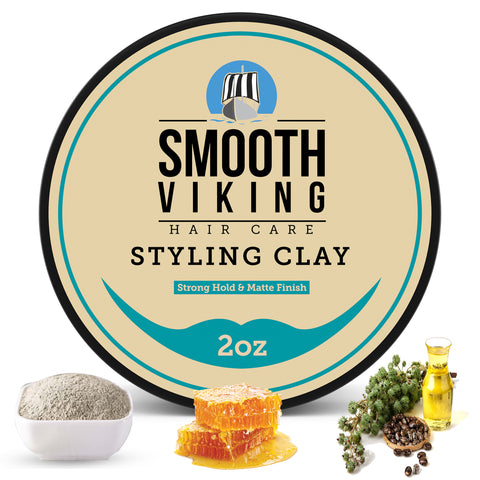
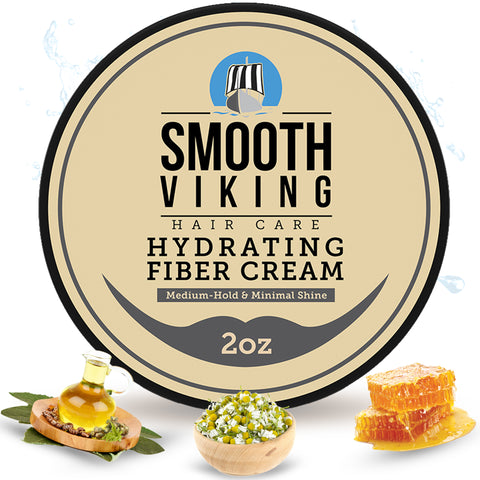
A clay is usually best when you want texture and a more matte finish. A pomade makes sense for cleaner control and more polished styles. A hydrating fiber cream sits in a useful middle lane for guys who want touchable hold without stiffness. If your hair is naturally dry, product choice matters even more. Strong hold with no hydration can leave the hair feeling worse after the style is gone.
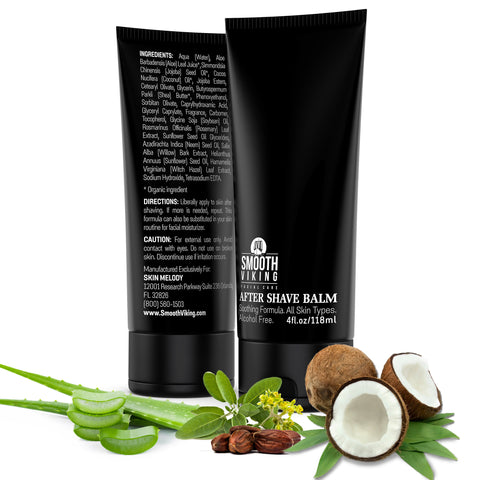
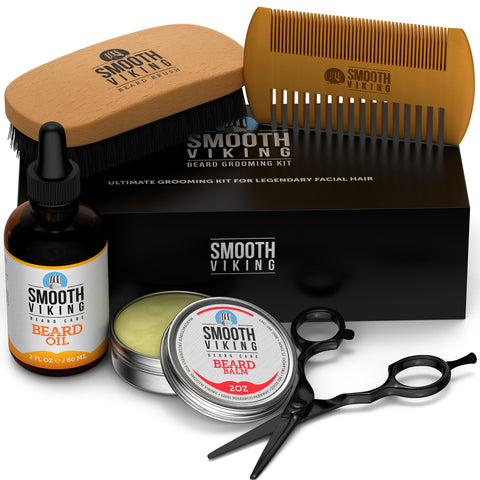
A smart grooming lineup should make your routine easier, not more complicated. That is the whole point. Smooth Viking built its styling products for men who want sharp results without turning the bathroom counter into a chemistry set.
Confidence looks better than perfection
The best-styled hair does not always look the most rigid or precise. It looks healthy, intentional, and suited to the guy wearing it. Some styles should be crisp. Others should have movement and texture. Some days your hair will cooperate like a champion. Other days it will act like it has unfinished business. That is normal.
The win is having a routine that keeps you in control more often than not. Learn your texture, use less product than you think, keep moisture in the mix, and choose styles that fit your real life. When your hair works with you, getting ready stops feeling like a chore and starts feeling like part of the armor.