
How to Detangle Beard Hair Without the Battle
A tangled beard can turn a two-minute morning routine into a full-on face war. If you are wondering how to detangle beard hair without yanking out half your hard-earned growth, the answer is not brute force. Your beard is not a knot you defeat. It is a mane you train.
The goal is simple: add slip, work patiently, and use tools that do not treat every snag like an enemy ship. Do that consistently, and your beard will look fuller, feel softer, and stop trying to eat your comb for breakfast.
Why Beard Hair Gets Tangled in the First Place
Beard hair is usually coarser, curlier, and drier than the hair on your head. That makes it great for looking rugged and less great for gliding past neighboring hairs. As your beard gets longer, individual strands twist around one another, especially around the chin, jawline, and mustache.
Dryness makes the problem worse. When facial hair lacks moisture and conditioning, its outer layer gets rougher. Rough strands catch, knot, and fight back. Food crumbs, leftover styling product, hard-water buildup, and sleeping face-first on a pillow can also leave your beard looking like it spent the night in a storm.
A few tangles are normal. Matted patches, constant breakage, or pain every time you comb are signs your routine needs an upgrade.
How to Detangle Beard Hair the Right Way
The best time to detangle is when your beard is clean and slightly damp, not dripping wet and not bone dry. A soaking-wet beard can stretch more than usual, which means aggressive pulling may cause snapping once it dries. Think towel-damp: pliable, not soggy.
Start With Your Fingers
Before bringing in a comb or brush, use your fingers to find the worst knots. Gently separate larger sections of hair and loosen trapped strands from the outside of each tangle.
This is not the glamorous part of grooming, but it saves you from dragging a comb through a knot that never had a chance. If you hit a stubborn snag, do not pull harder. Hold the hair close to the skin with one hand, then use the other to gently tease apart the ends. Holding the base reduces the tug on your face, which your follicles will appreciate.
Add Slip Before You Comb
A few drops of beard oil can make a major difference. Rub it between your palms, work it through the beard, and make sure it reaches the hair underneath, not just the surface. Oil helps dry strands move past each other instead of locking together like tiny, angry grappling hooks.
If your beard is especially wiry or long, beard balm can help after oil. It adds conditioning and light control, so your freshly detangled beard does not immediately wander back into chaos. Use a small amount. You want a beard with movement, not one that looks like it was varnished.
If you have just washed your beard, dry it with a towel using gentle presses and pats. Rubbing it hard in every direction creates friction and knots. Your towel should not be starting a rebellion on your face.
Comb From the Ends Up
This is the move most guys get wrong. Starting at the roots and pulling straight down forces every tangle into the next tangle. That is how you get breakage, discomfort, and a comb packed with casualties.
Start at the very ends of your beard. Make short, easy passes, then gradually work higher as the lower section clears. If you meet resistance, stop and work that spot with your fingers before trying again. Once the ends are moving freely, comb from the middle down, then from closer to the roots down.
For a short beard, this process takes less than a minute. For a bigger beard, it is worth slowing down. You did not grow a legendary beard just to rip through it like you are clearing brush.
Pick the Tool That Fits Your Beard
A wide-tooth beard comb is usually the best opening move for thick, curly, or tangle-prone facial hair. The wider spacing gives knots room to release without putting too much pressure on every strand.
A finer-tooth comb works well once the beard is mostly detangled and you want a cleaner, more controlled finish. It can be useful for shorter or straighter beards, but it is not the first weapon of choice for a dense, dry mane.
A beard brush, especially one with firm natural-style bristles, is best for distributing oil, training growth direction, and smoothing the outside of the beard. It is not always ideal for attacking a serious knot. Brush after you comb, not before, if your beard is tangled.
Skip cheap plastic combs with rough seams whenever possible. Those tiny jagged edges can snag hair and create more frizz. A smooth, well-made comb is a small upgrade that pays off every single morning.
The Five-Minute Detangling Routine
You do not need a 14-step ritual, a marble sink, or the beard wisdom of an ancient mountain hermit. Keep it simple:
1. After a shower or face wash, pat your beard until it is damp rather than wet.
2. Work a few drops of beard oil through the skin and hair.
3. Use your fingers to loosen obvious knots and separate clumped areas.
4. Comb from the ends upward in small sections, then comb downward from the roots once the hair is clear.
5. Finish with a brush or a small amount of beard balm to shape the beard and keep it pointed in the right direction.
That is enough for most guys. If you wear a longer beard, repeat a quick oil-and-comb session before bed. It helps prevent your pillow from turning tomorrow morning into a rescue operation.
What to Do When a Knot Will Not Budge
Every beard has that one knot that acts like it pays rent. Do not reach for scissors immediately. First, apply a little more beard oil directly to the problem area and let it sit for a minute or two. Then use your fingertips to pull apart individual hairs at the outer edge of the knot.
If needed, use the tip of a comb carefully to lift small strands free. Work slowly and keep your grip near the skin to avoid pulling. The goal is to dismantle the knot, not win a strength contest.
If a knot keeps returning in the exact same spot, look for the cause. Split ends, a patch of very dry hair, beard hairs that are growing in opposite directions, or sleeping pressure can all create repeat offenders. A light trim from a trusted barber can remove damaged ends, while daily conditioning can keep the area from tangling again.
Mistakes That Make Tangles Worse
The biggest mistake is combing a dry beard with no product. A dry comb can create friction, especially on coarse or curly hair, and friction is where snagging begins. If you need to tidy up during the day, use a tiny amount of oil or balm first.
Overwashing is another common culprit. Washing your beard with harsh cleanser every day can strip away the natural oils that keep hair flexible. How often you should wash depends on your skin, work, workouts, and beard length, but many guys do well with a gentle beard wash a few times a week and a thorough water rinse as needed.
Do not overdo the oil, either. Too much can leave buildup, attract grime, and make the beard feel heavy. Start small. You can always add another drop, but removing a palmful of oil before a meeting is a less heroic experience.
Finally, do not treat every knot as a trimming emergency. A few shed hairs in your comb are normal. A pile of broken hairs is not. Patience protects length.
Keep Your Beard From Tangling Tomorrow
Detangling is easier when you stop knots from forming overnight. Brush or comb your beard before bed, especially after a long day outdoors, at the gym, or around food and drink. Applying a small amount of beard oil at night can soften coarse hairs while you sleep.
For longer beards, pay attention to the neckline and underside. Those areas rub against collars, hoodies, and your chest, so they dry out and knot faster. Work product underneath the beard, then comb it in the direction you want it to grow. Consistency matters more than using a mountain of product once a week.
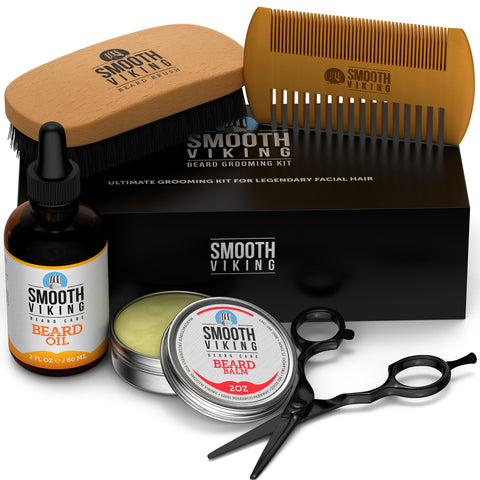
A dependable beard comb, brush, oil, and balm setup from Smooth Viking keeps the routine simple: soften, detangle, shape, get on with your day. No laboratory-grade grooming ceremony required.
Your beard does not need to be perfectly sculpted to look good. It just needs to look intentional. Give it a little moisture, use a little patience, and stop picking fights with knots. The better you treat the beard you have, the more it will look like it belongs on your face.