
Hair Trends for Men Who Want Easy Style
Your barber can give you a great cut, but he cannot follow you home at 7:15 a.m. when your hair has decided to stage a mutiny. The best hair trends for men right now are not about building a helmet out of product or chasing a cut that only works under barbershop lighting. They are about texture, movement, and a style that still looks sharp after a real day of work, sweat, weather, and questionable decisions.
That is good news for the guy who wants to look put together without running a full grooming laboratory before breakfast. The current move is less perfection, more control. Think intentional rather than overdone.
The Hair Trends That Actually Work Off the Chair
The loudest trend is texture. Not fake, crunchy, spiked-to-the-ceiling texture. We are talking about hair that has shape, separation, and a little grit. Textured crops, messy quiffs, relaxed side parts, and medium-length flow are all popular because they look masculine without looking like you spent 45 minutes negotiating with a blow dryer.
The catch: “messy” still needs a plan. Good texture comes from the right cut for your density and growth pattern, then a product that adds hold without turning your hair into a plastic action figure. If your hair is thick, reducing bulk and adding choppy layers can make styling easier. If it is fine, shorter textured layers can create the appearance of more density.
Natural movement is also winning. That means curls are being worn as curls, waves are getting room to move, and straight hair is being styled with a softer finish. The era of forcing every head into the same high-and-tight silhouette has taken a well-earned longboat ride into the fog.
The Modern Crop: Short Sides, Useful Texture
A textured crop remains one of the most practical cuts on the board. It is short enough to stay manageable, but the top has enough length to look deliberate. Pair it with a low or mid fade if you like clean edges, or keep the sides more tapered if a hard contrast feels too sharp for your job or face shape.
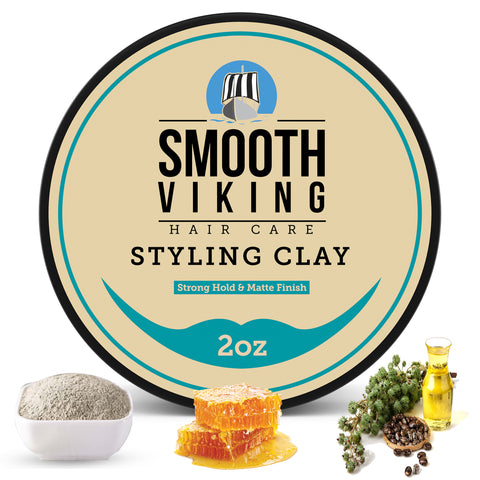
This cut works particularly well for men with thick, straight, or slightly wavy hair. Use a matte clay or fiber cream, warm a small amount between your palms, then work it through dry or nearly dry hair. Push and pinch the hair into place rather than combing it flat. That small detail is the difference between texture and a sad hedge.
If your hairline is thinning, be careful with a heavy forward fringe. It can work, but only if the length and density support it. A shorter, slightly lifted crop often creates a cleaner result than trying to hide everything under one dramatic swoop.
Longer on Top Is Back, but Keep It Under Control
Medium-length styles are having a strong run because they give hair room to move. A loose quiff, brushed-back shape, or side-swept top can look confident and relaxed when the proportions are right. The sides do not need to be shaved down to nothing, either. A classic taper or scissor-cut side gives a longer style a more natural, grown-up finish.
This is where many men get ambushed by reality. More length means more styling choices, but it also means more maintenance. You may need to blow-dry for a few minutes, use a pre-styler, and schedule trims before the shape loses its backbone. That is not a reason to avoid it. It is a reason to be honest about your morning routine.
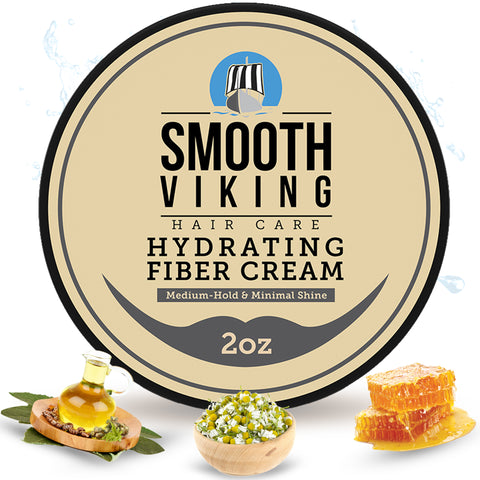
For a softer, flexible finish, reach for a hydrating fiber cream. For a fuller quiff or brushed-back look that needs to stay put, a small amount of pomade can bring order to the battlefield. Start with less than you think. You can always add more, but removing half a fistful of product before a meeting is a morale killer.
The Fade Has Evolved
Fades are not going anywhere. They are simply getting less predictable. Skin fades still deliver a crisp, high-contrast look, but low fades, drop fades, tapers, and softer blends are giving men more ways to tailor the cut to their head shape and personal style.
A low fade is usually the safe, versatile choice. It cleans up the area around the ears and neckline while leaving enough weight on the sides to avoid making the head look overly narrow. A mid or high fade creates more drama and works well when you want the top to be the main event.
The best choice depends on more than what is popular in your group chat. Consider your face shape, your beard, and how quickly your hair grows. A sharp skin fade can look elite for the first week, then demand frequent barber visits to stay that sharp. A taper grows out more gracefully, which may be a better deal for a man who prefers spending money on weekend plans instead of weekly lineups.
Hair Trends for Every Texture, Not Just One Kind
The smartest shift in men’s grooming is that hair texture is no longer treated like a problem to defeat. It is the starting point.
Men with curly hair are leaning into defined volume, shaped curls, and cleaner outlines. The key is moisture and restraint. Overworking curls with a stiff product can make them dry, dull, or oddly triangular. Apply a lightweight cream to damp hair, scrunch it in, and let the curl pattern do some of the heavy lifting.
For wavy hair, medium length can be a superpower. A layered cut prevents the dreaded mushroom effect while allowing waves to show up with purpose. Use a matte product sparingly and avoid brushing the life out of it once it dries.
Straight hair often benefits from added texture. A clay or styling paste can give smooth hair grip and separation, especially in short crops and quiffs. Fine straight hair should avoid overly heavy pomades, which can pull it flat faster than a long Monday afternoon.
Coarse or coily hair deserves a cut built around its natural volume and shrinkage, not against it. Clean fades, shaped tops, twists, coils, and close crops can all look excellent. Regular conditioning and a barber who understands your texture matter far more than copying a photo from a guy with completely different hair.
Match the Style to Your Beard
Your hair and beard are on the same team. When one is wildly more polished than the other, the whole look can feel accidental. A tight fade with a big, natural beard creates bold contrast. A longer, softer hairstyle often pairs well with a beard that has shape but not razor-straight edges everywhere.
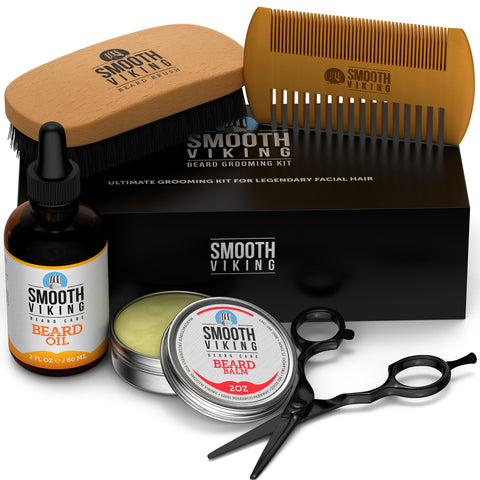
You do not need matching lengths. You need balance. If the top of your hair has a lot of volume, a beard with a clean neckline and cheek line keeps the face from looking overloaded. If your hair is short and neat, a fuller beard can add presence. A little beard oil and a quick pass with a comb can make the difference between rugged and “I lost a bet with a hedge.”
A No-Drama Styling Routine
Most styles need technique more than they need a drawer full of mystery jars. Start with clean hair and avoid shampooing excessively if it leaves your scalp or hair dry. Towel-dry until damp, not dripping. If you need volume, direct the hair with a blow dryer from the roots upward or in the direction you want it to sit.
Then use the right finish. Matte clay gives grip and a natural look. Pomade gives definition and shine. Fiber cream gives flexible control with a softer feel. Smooth Viking styling products are built for this kind of straightforward routine: choose the finish you want, use a small amount, and get on with your day.
Do not judge a cut solely by how it looks five minutes after styling. Check it after a commute, a workout, a hat, or an afternoon outside. A trend worth wearing should survive real life with a quick hand-through, not require an emergency bathroom rebuild.
Ask Your Barber Better Questions
Showing a photo is useful, but it is only half the conversation. Tell your barber how much time you will actually spend styling, whether you wear a hat often, and what you dislike about your current haircut. Mention cowlicks, thinning areas, a strong widow’s peak, or hair that expands when humidity arrives swinging an axe.
Ask what length you need on top to get the look, how often it needs to be trimmed, and which product finish will work best. A good barber will adjust the trend to your hair rather than forcing your hair to obey the trend.
Pick the style that makes you feel sharper when you catch your reflection at noon, not just one that looks good in a saved photo. A cut that fits your hair, your face, and your actual routine will always have more staying power than the trend of the week.