
Does Beard Oil Soften Hair? The Straight Answer
That beard can look like it has a mind of its own when the hairs are dry, wiry, and pointing in six different directions. So, does beard oil soften hair? Yes - beard oil can make facial hair feel noticeably softer, smoother, and less scratchy. But it is not magic Viking potion that permanently changes the texture of every coarse whisker on your face.
What it does best is coat and condition the beard hair while helping reduce the dry, tight feeling underneath. Use it consistently and your beard is easier to comb, less likely to snag, and far more pleasant for anyone who gets close enough to inspect your craftsmanship.
Does Beard Oil Soften Hair or Just Make It Shiny?
A good beard oil does both, but softness is more than a glossy finish. Beard hair often feels rough because it is naturally thicker and more irregular than the hair on your head. Add hot showers, harsh cleansers, cold weather, and the occasional decision to rub your beard with a bath towel like you are starting a campfire, and those hairs can get dry fast.
Beard oil helps by adding lightweight moisture and lubrication to the hair shaft. Oils spread across the beard, reducing the rough friction between individual hairs. That is why a beard can feel softer almost immediately after application. It also becomes more flexible, which means fewer stiff, bristly hairs jabbing your skin or standing at attention along your jawline.
The skin beneath your beard matters just as much. When it is dry or irritated, your beard can feel uncomfortable no matter how heroic its shape may be. Applying oil to the skin under the beard helps support a more comfortable foundation, especially for men dealing with beard itch or flaky skin.
Still, beard oil does not chemically straighten curly hair or turn naturally coarse growth into baby-soft fuzz forever. Once the oil wears off or you wash your beard, its natural texture remains. Think of it as maintenance, not a personality transplant for your follicles.
Why Some Beards Soften Faster Than Others
Your results depend on beard length, hair texture, grooming habits, and how dry your beard was before you started. A short beard may feel better after one application because oil can reach both the hair and skin quickly. A longer beard often needs more product and a little more patience because there is more ground to cover.
Coarse or curly beards can absolutely soften, but the change may show up first as improved manageability rather than a dramatic change in texture. The hairs may still be thick, but they will bend more easily, comb with less resistance, and stop feeling like a scrub brush by lunchtime.
Your shower routine can also work for or against you. Washing a beard too often with a drying cleanser can strip away the oils that keep hair flexible. On the other hand, never washing it means sweat, food, skin buildup, and whatever else your face collected during the day can weigh it down. The goal is clean, not squeaky-clean.
Genetics get a vote, too. Some men grow naturally soft facial hair. Others have dense, wiry beards that could probably guard a castle gate. Beard oil improves the condition and feel of both, but it cannot rewrite the beard you were issued.
How to Use Beard Oil for Softer Facial Hair
The best time to apply beard oil is after a shower or after washing your face, when your beard is clean and slightly damp. Not dripping wet. You want a little moisture present, not a miniature waterfall running from your chin.
Start with a few drops. For stubble or a short beard, two to three drops may be enough. A medium beard may need three to five, while a longer or denser beard can need more. The right amount is the amount that makes your beard feel conditioned without leaving it slick enough to fry an egg on your cheek.
Warm the oil between your palms, then work it into the skin beneath your beard first. Use your fingertips to reach through the hair around your jaw, chin, and cheeks. After that, smooth the remaining oil through the length of the beard, paying special attention to dry ends.
Finish with a beard comb or brush. This is not just for looking organized before you leave the house. Combing distributes oil more evenly, separates tangled hairs, and helps train the beard to sit in a more cooperative direction. Give it a minute to absorb before judging the result.
For most men, once daily is enough. If your beard is very dry, you live in a cold or low-humidity climate, or you wash your face after the gym, a small second application can make sense. More is not always better. Too much oil can leave your beard heavy, greasy, and ready to collect every crumb from lunch.
Beard Oil vs. Beard Balm: Which Softens Better?
Beard oil is usually the better first choice when dryness and scratchiness are the main enemies. It is lightweight, easy to work into the skin, and ideal for daily conditioning. It gives the beard a softer feel without much hold.
Beard balm can soften facial hair too, especially when it contains conditioning oils and butters. The difference is that balm usually brings more structure. It is useful for a medium-to-long beard that needs to look less wild after you soften it. If your beard keeps puffing outward, curling into odd angles, or making its own rules at the sides, balm gives you more control.
You do not necessarily need both. A short beard may only need oil. A longer beard may benefit from oil for the skin and softness, followed by a small amount of balm to shape the outer layer. Use the tool that solves the problem, not every product on the shelf just because your bathroom counter has room for a new campaign.
The Mistakes That Keep a Beard Feeling Rough
If beard oil is not making much difference, the issue is often technique rather than the oil itself. Applying it only to the outer surface can leave the skin and roots dry. Rubbing it into your palms and then lightly patting your beard may make it smell good, but it will not do much for a dense beard.
Using oil on a dirty beard is another common misstep. Oil can help soften hair, but it cannot condition its way through a layer of buildup. Clean the beard regularly with a gentle beard wash or cleanser, rinse well, and then apply oil while it is slightly damp.
Overwashing is the opposite problem. If you use strong soap on your beard every day, you may be removing the natural oils faster than your grooming routine can replace them. Your beard feels dry, so you use more oil, then wash it away again. That is not a grooming routine. That is a tiny, frustrating war.
Finally, do not expect one day of oil to fix months of neglect. If your beard is brittle, split at the ends, or constantly tangled, daily care matters. The softer feel can happen quickly, but a consistently better-looking beard comes from repetition.
A Simple Routine for a Softer, Better-Behaved Beard
Keep it simple: cleanse when needed, gently pat your beard dry, apply beard oil to the skin and hair, then comb or brush it into place. If you need shape, add a small amount of balm afterward. That routine takes a couple of minutes, not a full spa retreat in a candlelit cave.
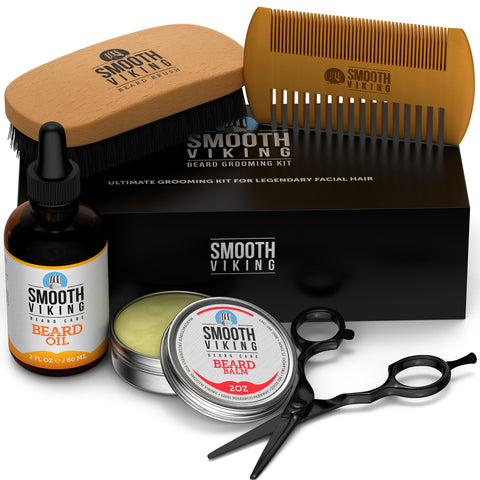
Smooth Viking beard oil fits this job neatly because it is made for men who want their beard to feel better without turning grooming into a complicated side quest. The real win is not only a softer beard. It is walking out the door knowing your face looks intentional, not like it spent the night fighting a bear.
Give your beard a week of consistent care before you pass judgment. A few drops, applied properly, can turn daily grooming from a battle with bristles into a ritual worthy of your morning armor.