
Best Beard Oils for Growth That Help Your Beard
A beard oil cannot command your follicles to grow like a Viking war horn. Genetics, hormones, age, and time run that show. But the best beard oils for growth can create the conditions a beard needs to look healthier, feel softer, and hold onto more of the length it has earned.
That matters. A dry, itchy beard gets scratched, snagged, over-washed, and broken. When the skin beneath it is neglected, even a solid beard can look patchy, wiry, and defeated by 10 a.m. The right oil will not invent new follicles, but it can help your existing beard look fuller while supporting the skin it grows from. That is a battle worth winning.
What Beard Oil Can Actually Do for Growth
Let’s clear the fog before somebody sells you a bottle of wishful thinking. Beard oil is a conditioning product, not a medically proven hair-growth treatment. There is no credible evidence that rubbing a standard beard oil onto your face will make dormant facial-hair follicles suddenly produce a Norse god beard.
What a good oil can do is reduce the everyday problems that make growth look worse than it is. It softens coarse hairs so they bend instead of snap. It moisturizes the skin under your beard, which can ease the itch and flaking that tempt you to scratch. It also adds a little weight and shine, helping thin or uneven areas look less obvious.
Think of beard oil as maintenance for the territory. You still need the right genetics to build the fortress, but a well-kept fortress looks a lot more impressive.
Best Beard Oils for Growth Start With the Carrier Oils
The ingredient list matters more than a flashy label or a scent named after an axe. Look first at the carrier oils, which make up most of the formula and do the heavy lifting for your beard and skin.
Jojoba Oil: The Reliable Daily Driver
Jojoba oil is a strong pick because its texture is close to the natural oils your skin produces. It usually absorbs well, leaves less greasy residue than heavier oils, and works for many beard lengths. If your face gets oily easily or you hate the feeling of product sitting on your skin, a jojoba-forward formula is often a smart starting point.
It is not a magic growth trigger. Its value is simpler: comfortable, conditioned skin and softer hair make it easier to stay consistent with your grooming routine.
Argan Oil: For Dry, Rough Beards
Argan oil is rich but typically not overly heavy. It is particularly useful when your beard feels brittle, looks dull, or has the texture of a scrub brush that has seen things. It helps give coarse facial hair more slip, which means your comb or brush can move through it with less pulling.
Less tugging does not guarantee more growth, but it may mean less unnecessary breakage. For a man trying to gain visible length, that is a practical win.
Grapeseed Oil: Light Texture, Fast Finish
Grapeseed oil is another good option for guys who want moisture without a thick, oily finish. It tends to feel light and can work well in warm weather or on shorter beards. A lighter oil may not tame a massive, extra-coarse beard as effectively as a richer blend, though. Your beard’s temperament gets a vote.
Sweet Almond Oil: Softening With a Caveat
Sweet almond oil is known for its softening feel and can be excellent for dry facial hair. However, anyone with a tree-nut allergy should skip it and choose a formula with other carrier oils. If your skin is sensitive in general, patch-test any new beard oil before going all-in on your face.
The Ingredients That Deserve a Raised Eyebrow
A beard oil does not need a chemistry-lab novel on the label to work well. In fact, overly complicated blends can cause trouble for sensitive skin, especially when they rely heavily on fragrance or essential oils.
Castor oil is commonly hyped for hair growth. It is thick, sticky, and often makes a beard feel heavier. There is not strong evidence that it grows facial hair, but it can help seal in moisture when blended with lighter oils. Used alone, it may be too much for some faces and may clog pores for others.
Peppermint, rosemary, and other essential oils also get plenty of internet hype. Some research has explored ingredients like these for scalp hair, but that does not mean they are proven beard-growth solutions. Essential oils can irritate facial skin if the formula is too strong. If an oil makes your skin burn, turn red, or break out, your face is not being “activated.” It is telling you to stop.
For most men, a straightforward blend of quality carrier oils with a mild scent is the better move. Bold grooming does not require punishing your skin.
How to Pick the Right Beard Oil for Your Beard
The best formula depends on the beard you have now, not the legendary one you plan to unveil six months from now.
For short beards or stubble, go light. You need skin conditioning more than heavy hair control, so a fast-absorbing jojoba or grapeseed blend makes sense. Use just two or three drops. More product will not make it work harder. It will just make your phone screen look like it has been buttered.
For medium-length beards, look for a balanced blend with jojoba and argan oil. This is where beard itch, frizz, and dry skin often start causing problems. A daily oil routine can keep the beard soft enough to comb and shape without constantly fighting it.
For long, thick, or coarse beards, a richer oil earns its place. Argan, almond, and a small amount of castor oil can help control the wild stuff. You may also need beard balm for extra hold, but oil should still handle the job at the skin level.
If you are prone to acne or sensitivity, choose fragrance-free or lightly scented options and avoid formulas packed with strong essential oils. A clean-looking beard is not worth a face full of angry bumps.
How to Use Beard Oil Without Wasting It
Technique matters. Dumping a full dropper onto a dry beard every morning is not a grooming ritual. It is an oil spill.
Start after a shower or after washing your face, when your beard is clean and slightly damp. Towel it until it is no longer dripping. Put three to five drops into your palm for a short to medium beard, then rub your hands together. Men with longer beards may need six to eight drops, depending on thickness.
Work the oil into the skin first. Use your fingertips to reach beneath the hair along your cheeks, jaw, chin, and neck. Then pull the remaining oil through the length of your beard. Finish with a beard comb or brush to distribute it evenly and train the hairs to sit where they belong.
Use it consistently, usually once a day. If your beard is very dry, twice daily can work, but pay attention to your skin. Greasiness, clogged pores, or persistent irritation are signs to use less or switch formulas.
A Better Growth Plan Than Chasing Miracle Oils
If your real goal is a fuller beard, beard oil belongs in a bigger, more realistic plan. Give new growth time before judging it. Patchiness can look worse during the early weeks because shorter hairs have not had time to cover neighboring areas. Many men quit too early, trim too aggressively, or compare their week-three beard to somebody else’s year-three masterpiece.
Take care of the basics: get enough sleep, eat enough protein and nutrient-dense food, manage stress where you can, and avoid yanking at your beard. If you have sudden hair loss, bald spots, pain, or scaling that will not quit, talk with a dermatologist. That is a medical question, not a job for a cedar-scented bottle.
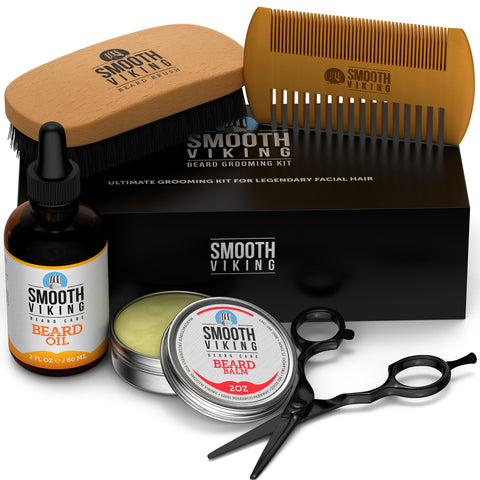
A dependable grooming routine helps, too. Cleanse without stripping your face, oil the beard while it is slightly damp, and comb it with purpose. Smooth Viking beard oil fits this kind of no-drama routine: a few drops, a few seconds, and a beard that looks like you meant to grow it.
The right oil will not rewrite your DNA, and frankly, any brand claiming otherwise is wearing a horned helmet full of nonsense. Choose one that keeps your skin comfortable and your beard conditioned, use it every day, then give the growth process the one thing no bottle can provide: patience.