
Best After Shave Balm for a Better Shave
A close shave can make you look like you have your life together. A bad post-shave routine can make your face feel like it lost a fight with a cheese grater. The best after shave balm is the one that calms the battlefield fast, adds moisture without turning your skin into an oil slick, and fits the way you actually shave.
That last part matters. A guy shaving every morning needs something different from the bearded man cleaning up his neck twice a week. Sensitive skin, dry winter air, coarse stubble, hot showers, dull blades - they all change what your face needs after the razor does its work.
What Makes the Best After Shave Balm?
After shave balm is not just watered-down lotion with a tougher label. It is made for skin that has just been shaved, when tiny cuts, friction, and stripped-away moisture can leave your face tight, red, itchy, or burning.
A good balm should do three jobs without making a big production out of it. First, it should soothe irritation. Second, it should restore moisture so your skin does not overreact by feeling dry or producing extra oil. Third, it should absorb quickly enough that you can get dressed, head out, and conquer the day without your collar sticking to your jaw.
The best formulas usually feel light but not flimsy. They spread easily over damp skin, take the sting out of a fresh shave, and leave behind a comfortable finish rather than a heavy coating. If your face feels greasy 20 minutes later, that balm is doing too much. If it disappears instantly and your skin still feels tight, it is not doing enough.
Balm vs. Splash vs. Lotion
Old-school aftershave splashes have their place. They can feel refreshing, smell great, and give you that sharp barbershop moment. But many are alcohol-heavy, which can be rough on dry or sensitive skin. If your face regularly turns red after shaving, a splash may be adding fuel to the fire.
After shave balm is usually the better move when comfort is the priority. It gives skin moisture while helping it settle down after the blade. Think of it as recovery gear for your face, not just a scented finishing touch.
Regular face lotion can work in a pinch, especially if it is gentle and fragrance-free. Still, it may not be built with freshly shaved skin in mind. Some lotions are too thick, some clog pores, and some contain ingredients that can sting when they hit irritated skin. A dedicated balm cuts through the guessing game.
Choose Your Balm by Skin Type
There is no single bottle that wins for every man. The right choice depends on what your skin does after a shave, not what the label claims in heroic font.
For dry or tight skin
Look for a balm that puts hydration first. Ingredients such as aloe, shea butter, glycerin, and lightweight plant oils can help replenish the moisture shaving removes. The goal is a comfortable, soft finish that lasts beyond the first five minutes.
Dry skin can handle a richer balm, but rich does not have to mean greasy. Apply a small amount first. You can always add another drop, but using too much is how a clean shave becomes a shiny forehead situation.
For sensitive or easily irritated skin
Keep it simple. Sensitive skin often gets angry at strong fragrance, high alcohol content, and formulas packed with too many active ingredients. A calming balm with aloe or other gentle moisturizers is usually the safer route.
Pay attention to the pattern, too. If every shave causes bumps, burning, or lingering redness, the balm may not be the only culprit. Your blade could be dull, your shaving technique could be too aggressive, or you may be shaving against the grain when your skin would rather you did not.
For oily or acne-prone skin
You still need moisture. Skipping balm because your skin gets oily is a classic own goal. When skin becomes dehydrated, it can produce more oil to compensate, leaving you with the exact shine you were trying to avoid.
Choose a lighter, fast-absorbing balm and use less than you think you need. Avoid formulas that feel waxy or overly heavy. A clean finish matters here, especially if you shave before work, the gym, or a night out.
For normal skin
Congratulations, your face is being reasonable. You have the most flexibility, so focus on finish and scent. Pick a balm that leaves skin comfortable and one you will actually want to use consistently. The greatest grooming product in the world is useless if it lives unopened in the bathroom cabinet.
Ingredients Worth Having on Your Side
You do not need a chemistry degree or a magnifying glass to shop smart. A few ingredients have earned their spot in a solid after shave balm.
Aloe is a reliable post-shave favorite because it feels cooling and soothing. Glycerin helps draw moisture into the skin, which is useful when your face feels tight after rinsing. Shea butter can add comfort for dry skin, though men with oily skin may prefer a lighter formula. Vitamin E and lightweight oils can support a smoother, less rough feel when used in balance.
What should you watch out for? If your skin is sensitive, be cautious with high amounts of denatured alcohol and heavily perfumed formulas. Fragrance is not automatically the villain, but a powerful scent on freshly shaved, irritated skin can turn a good shave into a regrettable decision.
The best after shave balm does not need an ingredient list as long as a Viking saga. It needs a sensible formula that helps your skin recover and feels good enough to use every time.
How to Apply After Shave Balm Without Overdoing It
Timing is everything. After shaving, rinse away leftover cream and loose hair with cool or lukewarm water. Pat your face dry with a clean towel, but do not scrub it like you are sanding a deck. Leaving your skin slightly damp can help the balm spread more evenly.
Use a dime-size amount for most full-face shaves. Rub it between clean hands for a second, then press and smooth it over your cheeks, jawline, chin, neck, and any area touched by the blade. Give extra attention to your neck if that is where bumps usually show up.
Wait a minute before applying anything else. If your face feels comfortable, you nailed it. If it feels dry, add a tiny bit more. If it feels slippery, you used too much. No shame, warrior. Adjust and carry on.
Your Shave Routine Matters More Than You Think
A great balm can improve the aftermath, but it cannot fully rescue a rough technique. Start with a clean razor. Dull blades drag across the skin, which creates more irritation for the balm to deal with later.
Use warm water before shaving to soften hair, then shave with a quality cream or gel that gives the razor some glide. Use short, controlled strokes and rinse the blade often. Shaving with the grain is usually kinder to sensitive skin and helps reduce the odds of razor bumps.
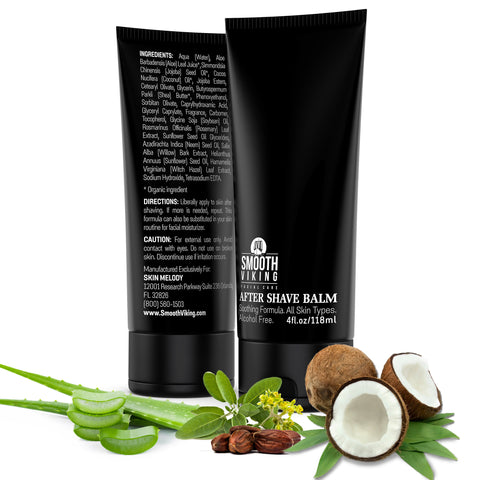
Then bring in the recovery crew. A straightforward after shave balm from Smooth Viking can be the easy final step: apply it, let it absorb, and get on with looking sharp. Grooming does not need to become a 14-step ritual performed under moonlight.
When Your Balm Is Not Enough
Persistent razor burn, painful bumps, ingrown hairs, or peeling skin may call for more than a new balm. Consider changing your blade more often, shaving less closely, or switching to an electric trimmer for problem areas. A trimmer can leave a hint of stubble, but that is often a fair trade for calmer skin.
If irritation is severe, recurring, or looks infected, it is worth talking with a dermatologist. There is a difference between ordinary post-shave redness and skin that is asking for professional backup.
Your face takes the hit every time you shave. Give it a finish that feels like a win: cool, hydrated, comfortable skin and zero greasy nonsense. That is the kind of low-maintenance grooming routine even a Viking can respect.