
Beard Tangles Solution for a Snarl-Free Beard
That painful tug when your comb hits a knot is your beard calling for backup. A real beard tangles solution is not yanking harder, shaving everything off, or coating your face in random product. It is a simple routine that adds moisture, reduces friction, and keeps wild hairs moving in the same direction.
Beards tangle because they are exposed to just about everything: hot shower water, dry air, food, sweat, wind, pillowcases, and the occasional questionable late-night decision. Add naturally coarse facial hair to the mix, and even a solid beard can turn into a briar patch.
The good news: you do not need a bathroom counter that looks like a chemistry lab. You need the right order of operations and a little consistency. Time to get your beard out of knot country.
Why Your Beard Keeps Tangling
Tangles usually start with dryness. When beard hair lacks moisture and natural oils, the outer layer becomes rougher. Those rough strands catch on each other, twist together, and suddenly your comb feels like it is pulling a wagon through mud.
Length matters, too. Short stubble cannot knot much, but once your beard has enough length for hairs to cross and curl, tangles become part of the territory. Curly or wiry beard types are especially prone to it. That does not mean your beard is a lost cause. It means it needs more slip and better direction.
Your habits may also be feeding the problem. Washing with harsh cleanser too often strips away the oils that keep hairs flexible. Skipping conditioner or beard oil leaves strands dry. Combing aggressively from root to tip turns a small snag into an all-out beard mutiny.
There is also the shape factor. Split ends, uneven growth, and stray hairs can hook into neighboring strands. A beard that has not seen a trim in months may look rugged, but it can also behave like a nest of fishing line.
The Beard Tangles Solution Starts Before the Comb
Do not attack a dry, matted beard with a fine comb. That is not grooming. That is a test of character nobody asked for.
Start by getting the beard slightly damp. The best time to detangle is after a shower, when the hair is clean and softened, but not dripping wet. Pat it with a towel rather than rubbing it like you are trying to start a fire. Hard towel friction can rough up hairs and create more knots.
Then apply a few drops of beard oil. Work it into the beard with your fingertips, reaching the skin underneath as well as the hair. The exact amount depends on your beard length and density. A short beard may only need two or three drops. A longer, thicker beard may need more. The goal is soft, conditioned hair - not a face that could grease a shield.
Beard oil gives strands the slip they need to separate rather than snag. It also helps with the dry, itchy skin beneath the beard, which is a fine bonus when you are trying not to claw at your own face during a meeting.
If your beard is especially thick, coarse, or prone to puffing out, follow oil with a small amount of beard balm. Balm adds light hold while helping lock in moisture, so your beard stays directed after you comb it instead of immediately forming its own rebellion.
Detangle From the Ends Up
This is the move most guys get wrong. Begin at the ends of your beard, not at the roots. Use a wide-tooth beard comb or a quality beard brush to gently work through the lower section first. Once the ends are clear, move a little higher and repeat.
When you hit a knot, pause. Hold the hair above the knot with your fingers so you are not pulling directly on the skin, then use short, gentle passes to loosen it. If it refuses to cooperate, add another tiny bit of oil and give it a minute. Brute force may feel Viking-worthy, but ripped-out beard hair is not a trophy.
A wide-tooth comb is usually the better choice for detangling because it creates less resistance. A beard brush shines after the major knots are gone. Its bristles help distribute oil, train hairs into place, and give the beard a fuller, more intentional look.
Wash Smart, Not Constantly
A clean beard is easier to manage, but over-washing can make it dry and tangly. For most men, washing the beard a few times a week with a gentle beard wash is plenty. If you work in dust, sweat heavily, or get barbecue sauce in there on a regular basis, adjust as needed.
Regular hair shampoo can be too harsh for facial hair and the skin underneath it. That stripped, squeaky-clean feeling may seem satisfying in the moment, but it often means your beard will be rougher by lunchtime. Use a cleanser made for beards or a mild option that does not leave the hair feeling brittle.
After washing, condition the beard. If you have a longer beard, this step can make a major difference. Conditioner helps soften the hair shaft and reduces the friction that creates knots. Rinse thoroughly, then towel-pat and apply oil while the beard is still slightly damp.
Hot water is another sneaky troublemaker. A steaming shower feels great, especially when the weather turns cold, but very hot water can dry out skin and hair. Keep the water warm rather than volcanic. Your beard will be less likely to turn into a scratchy thicket.
Trim the Trouble Before It Spreads
You do not have to sacrifice your hard-earned length to keep tangles under control. A light trim every few weeks removes split ends and the wiry, damaged hairs that latch onto everything around them.
Focus on the ends and any uneven sections that seem to knot repeatedly. If one patch near the chin keeps tangling, it may be dry, split, or growing at a different angle. A careful trim can solve more than another gallon of product.
If you are growing your beard out, take a conservative approach. Ask for a maintenance trim or clip only the visibly damaged ends. The objective is not to reset your progress. It is to give the healthy hair a clean path forward.
Build a Two-Minute Anti-Tangle Routine
The best beard routine is the one you will actually do before running out the door. For most guys, this is enough: lightly dampen or towel-dry the beard, apply beard oil, detangle from the ends upward, then brush or comb it into shape. Add balm when you need extra control.
At night, give the beard one quick comb-through if it has been exposed to wind, sweat, or a long day under a jacket collar. This takes less time than untangling a morning knot after it has spent eight hours rubbing against a pillowcase.
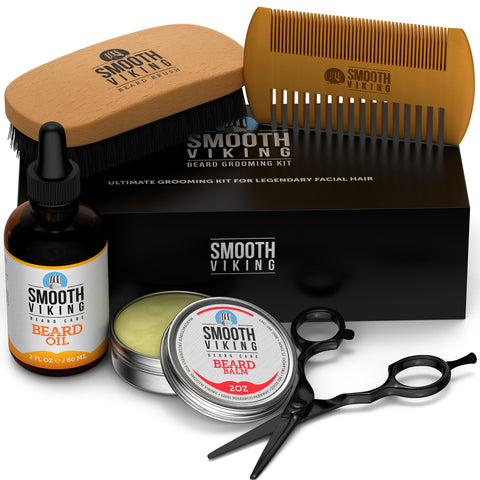
A dependable comb and brush set earns its place in your grooming gear because it handles two different jobs. The comb gets through knots and defines shape. The brush distributes product and helps train the beard to sit where it belongs. Smooth Viking keeps the approach simple: tools that work, beard care that pulls its weight, and no 14-step ritual required.
When Tangles Signal a Bigger Problem
An occasional knot is normal. Constant tangling, sudden breakage, flaky skin, or painful pulling is worth a closer look. You may be using a product that dries your beard out, washing too aggressively, or trying to force a comb through hair that needs more conditioning.
If you notice patches of hair loss, redness, swelling, or persistent irritation, skip the guesswork and speak with a dermatologist. Beard grooming should make your face feel better, not turn every comb-through into a campaign.
Your beard does not need to be perfectly straight to look sharp. It can be thick, curly, and gloriously rugged. It just needs enough moisture, the right tools, and a little daily direction so the only thing getting tangled is your opponent's battle plan.