
7 Beard Itch Relief Products That Actually Help
That itch under your beard is not a character-building exercise. It is usually your skin asking for backup. The right beard itch relief products can calm the scratchy, flaky, tight feeling that turns a good beard into a full-time distraction. Better still, you do not need a bathroom shelf packed like a Viking apothecary. You need a few hard-working essentials used in the right order.
Beard itch often shows up when facial hair gets longer because your skin is suddenly dealing with more friction, less moisture, and a lot more opportunity for dead skin and product buildup to hang around. Solve the cause, and your beard can go back to looking legendary instead of feeling like it is made of steel wool.
Why Your Beard Itches in the First Place
Most beard itch comes down to dry skin. Your face makes natural oil, but longer whiskers can pull that moisture away from the skin beneath. Add hot showers, harsh face wash, cold weather, or a beard that has been left to fend for itself, and you have the perfect recipe for irritation.
New growth is another usual suspect. Freshly cut whiskers can feel sharp, especially when they curl back toward the skin. That is why a short beard can itch just as much as a full one, even though the fix may be different.
Then there is buildup. Sweat, dead skin, food crumbs, styling residue, and plain old city grime can collect in dense facial hair. A beard does not need to be treated like a crime scene, but it does need regular cleaning. Overwashing, however, strips moisture and can make the itch worse. Like a proper Viking raid, timing matters.
If you have painful bumps, spreading redness, cracking, pus, or an itch that refuses to quit after changing your routine, skip the guessing game and talk with a dermatologist. Grooming products can help ordinary dryness and irritation, but they are not a replacement for medical care.
Beard Itch Relief Products Worth Keeping in Your Kit
Different causes call for different tools. Here are the products that earn their place at the sink.
1. Beard Oil for Dry Skin Under the Beard
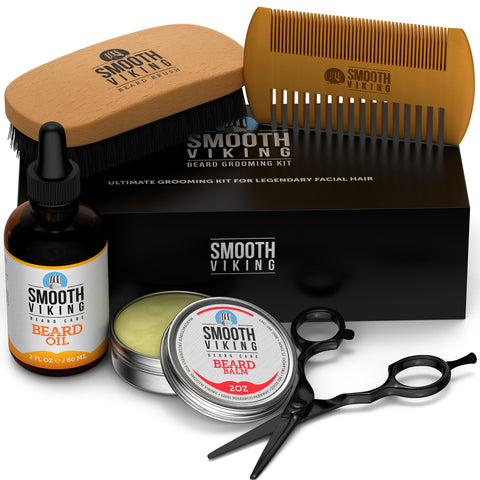
Beard oil is the heavyweight champion of itch relief when dryness is the problem. It is designed to reach the skin beneath your whiskers, where most of the discomfort starts, while also softening coarse hair on the way down.
Look for oils that feel nourishing without leaving your beard slick enough to fry an egg on. Lightweight plant oils can help condition both skin and hair, and a modest amount goes a long way. Start with two to three drops for short beards, then add more as length and density demand it.
After a shower, pat your beard until it is damp, not dripping. Work the oil into your fingertips, massage it down to the skin, then pull the rest through the beard. This is not a paint job. Get underneath the hair, where the itch lives.
2. Beard Balm for Dryness Plus Control
If your beard feels itchy and looks like it lost a fight with a wind tunnel, beard balm is a smart next move. Balm adds conditioning with a little more hold than oil, making it especially useful for medium and longer beards.
The trade-off is simple: balm is better for shaping, but it may not reach the skin as easily as oil if you slap it only on the outer layer. Warm a small amount between your palms, work it through thoroughly, and use a comb or brush to distribute it. On especially dry days, use oil first and a light layer of balm after.
3. A Gentle Beard Wash for Buildup
A clean beard is more comfortable, but the wrong cleanser can turn your face into a desert. Regular shampoo can be too aggressive for beard hair and the delicate skin underneath it. A gentle beard wash is made to clear away grime without taking every bit of moisture with it.
For most guys, washing two to four times per week is plenty. If you work outdoors, train hard, or deal with heavy product buildup, you may need it more often. If your beard gets tight and itchy right after washing, reduce the frequency or use less product. Your face is giving you a very direct performance review.
4. A Beard Brush to Lift Dead Skin and Spread Oil
A quality beard brush does more than make your beard look civilized before the morning meeting. Brushing helps lift loose skin flakes, trains the hairs to sit in a more natural direction, and spreads oil or balm more evenly.
Use short, gentle strokes from the skin outward. Do not attack your face like you are sanding a ship deck. Overbrushing can create more irritation, particularly if your skin is already dry or sensitive. Once a day is usually enough, with a little extra attention after applying conditioning products.
5. A Wide-Tooth Beard Comb for Longer Growth
For longer, thicker, or curlier beards, a wide-tooth comb is a useful itch-fighting sidekick. It helps detangle without yanking hairs out at the root, which means less tugging and less irritation. It also helps work balm through the middle of a dense beard, where fingers can miss spots.
Comb after oil or balm, starting at the ends and slowly working upward if you hit a knot. Ripping through a tangle from the top down is a fast route to broken hairs, frizz, and a bad mood before coffee.
6. Fragrance-Free Moisturizer for Exposed Skin
Not every itch needs more beard product. Sometimes the skin around your beard line, neck, and cheeks is dry too. A simple, fragrance-free facial moisturizer can help support the exposed areas without competing with the scent of your beard oil.
Apply it after cleansing and before beard oil if your skin is feeling tight. If you are prone to breakouts, choose a lightweight formula and keep heavy balm off the areas where acne tends to show up. The goal is comfortable skin, not a greasy fortress.
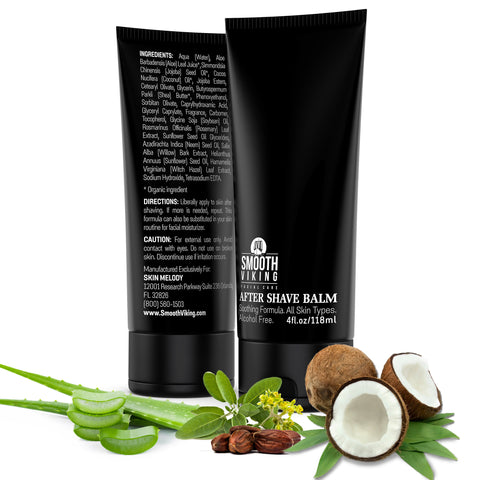
7. After-Shave Balm for Short-Beard Irritation
If your itch arrives right after cleaning up your neckline or cheek line, the culprit may be shaving irritation rather than beard dryness. An after-shave balm can soothe the freshly shaved skin and reduce that raw, stingy feeling caused by razor friction.
Use it on shaved areas, not as a replacement for beard oil throughout a full beard. One handles the skin disrupted by a razor; the other conditions the skin and hair living under your beard. Different jobs. Same mission: keep your face from starting a rebellion.
How to Build a No-Fuss Itch Relief Routine
The strongest routine is the one you will actually use. Start by washing your beard a few times a week with a gentle cleanser. On most days, apply beard oil after showering or washing your face, while the beard is still slightly damp. Massage it into the skin first, then brush or comb it through.
If your beard needs shape, finish with a small amount of balm. If it is short and you shave the edges often, use after-shave balm along the neckline and cheeks. That is the whole operation. No seventeen-step ritual. No chanting required.
Give a new routine at least one to two weeks before deciding whether it works. Skin needs a little time to settle, especially if you have been overwashing or using a product that dries you out. At Smooth Viking, we believe beard care should be practical: use less product than you think, apply it consistently, and let your face tell you when it needs more.
The Product Mistakes That Keep the Itch Alive
Using too much product can be just as unhelpful as using none. Excess oil or balm may trap dirt, clog pores for some skin types, and make your beard feel heavy. Start small. You can always add another drop, but you cannot un-grease your chin without starting over.
Another common mistake is applying oil only to the beard hair. A shiny beard with dry skin underneath is still going to itch. Part the hair with your fingers and massage product down to the base.
Finally, do not ignore your tools. A comb or brush covered in old balm, oil, and dust simply puts yesterday's grime back into today's beard. Rinse or clean grooming tools regularly, then let them dry fully.
A beard should make you feel more put together, not more tempted to claw at your own face. Choose the product that matches the problem, stick with a simple routine, and let the itch know its raid is over.