
Beard Itch Guide for a Scratch-Free Face
Your beard is supposed to make you look more formidable, not turn every meeting, date, and grocery run into a battle against the urge to claw your own face. This beard itch guide gets straight to the real culprit: most itchy beards are not a facial-hair problem. They are a skin-under-the-beard problem.
A little itch during early growth is common. Constant itching, flakes, redness, or painful bumps? That is your face raising a battle flag. The fix is usually less complicated than the internet makes it sound, but it does require more than splashing water on your beard and hoping for Viking-level resilience.
Why Your Beard Itches in the First Place
When you grow a beard, your skin has a new job. It has to deal with longer, coarser hairs that can pull moisture away from the surface and trap sweat, dead skin, food, styling residue, and whatever else your day throws at your chin.
The most common cause is plain old dryness. Beard hair pulls on the natural oils your skin produces, and regular face wash can strip away what is left. Dry skin gets tight, flaky, and itchy. The longer and denser the beard, the easier it is to miss the skin beneath it while you are washing or moisturizing.
There is also the growth phase. Freshly cut facial hairs can have sharp edges, and new growth may curl or poke back toward the skin. That prickly feeling is especially common when you are moving from stubble to a short beard. It does not mean beards are not for you. It means your face is adjusting to the new terrain.
Then there is hygiene. A beard does not need to be scrubbed into submission every day, but it does need attention. Sweat, oil, and product buildup can irritate skin. So can a dirty comb, pillowcase, razor, or trimmer. If your beard feels itchy at the end of the day, buildup may be part of the problem.
Beard Itch Guide: Build a Routine That Calms Skin
The best beard routine is not a 14-step laboratory experiment. It is a few solid moves done consistently.
Wash the skin, not just the hair
When you cleanse, work your fingertips through the beard until they reach your skin. Use lukewarm water, not face-melting hot water, which can make dryness worse. A gentle beard cleanser or mild facial cleanser is usually a better choice than harsh body soap.
How often you wash depends on your skin, activity level, and beard density. If you work out, work outdoors, or use styling products daily, you may need to cleanse more often. If your skin runs dry or sensitive, daily stripping can backfire. For many men, cleansing two to four times a week and rinsing after sweaty days is a good starting point.
Dry it without roughing it up
Do not attack your beard with a towel like you are trying to start a fire. Pat it dry, then let it stay slightly damp before applying beard oil. That little bit of moisture gives the oil something to help seal in.
Leaving the beard soaking wet is not the answer either. Dampness trapped against skin for long stretches can encourage irritation, especially in a thick beard. The goal is comfortably dry, not desert-dry and not swampy.
Use beard oil where it counts
Beard oil is not just for making facial hair look less like it lost a fight with a hedge. Its main mission is helping soften beard hair and condition the skin underneath.
Start with a few drops, warm them between your palms, then massage the oil down to the skin before smoothing the rest through the beard. Short beards may need only a small amount. A fuller beard may need more. If your face feels greasy, you used too much. If it still feels tight an hour later, use a touch more next time.
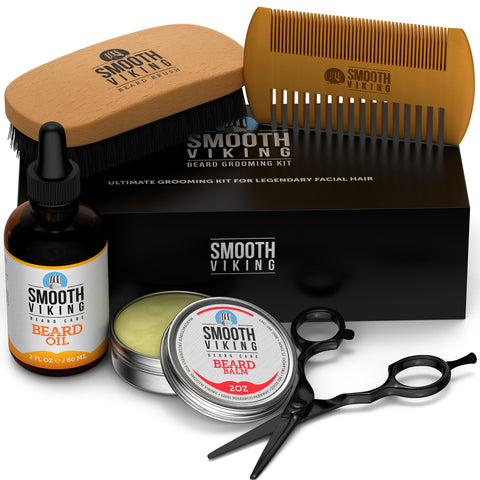
For a simple, no-fuss setup, Smooth Viking beard oil can fit into the routine after washing and before styling. The key is not the ceremonial bottle placement on your bathroom counter. The key is getting the product down to your skin.
Comb and brush with some common sense
Combing helps spread natural oils and beard oil through the hair, removes loose flakes, and trains stubborn hairs to cooperate. It can also feel fantastic. But aggressive brushing on irritated skin is not a cure. It is just scratching with better branding.
Use a clean beard comb or brush, take your time, and stop if it hurts. If your beard is tangled, apply oil first and work from the ends upward rather than yanking from root to tip. Your follicles are not impressed by brute force.
The Mistakes That Keep the Scratch Going
Some grooming habits feel productive but quietly make beard itch worse. Overwashing is the big one. If you cleanse aggressively morning and night, follow it with hot water, then skip moisturizer, your skin will likely protest.
Using regular hair shampoo is another common mistake. Scalp hair and facial skin are not identical. Many shampoos are designed to remove oil thoroughly, which is useful on your head but can leave the skin under your beard dry and cranky.
Watch for heavily fragranced products too. A bold scent is fine if your skin tolerates it, but fragrance can trigger irritation for some men. If itch starts shortly after trying a new oil, balm, wash, dye, or styling product, stop using it for a week or two. Reintroduce only one product at a time if you want to identify the offender.
Do not ignore your tools. Wash your beard comb and brush regularly, wipe down trimmer guards, and change pillowcases often enough that your face is not sleeping in a museum of old oil and dead skin. Not glamorous. Very effective.
When Flakes, Bumps, or Redness Change the Plan
Not every itchy beard is just dry skin. White flakes that improve with conditioning often point to dryness. Greasy yellowish flakes, stubborn redness, or scaling may be related to dandruff-like skin conditions. Tender bumps or pustules can come from ingrown hairs, follicle irritation, or infection. A circular rash, broken hairs, or spreading itch deserves prompt medical attention.
If you recently shaved or lined up your beard and now have itchy bumps, technique may be the issue. Use a clean, sharp blade or a guarded trimmer, shave in the direction of growth when possible, and avoid going over the same patch again and again. A close shave looks sharp for a day; inflamed skin looks rough for a week.
See a dermatologist if irritation lasts more than a couple of weeks despite gentler care, becomes painful, spreads, oozes, or interferes with sleep. That is not surrender. That is knowing when a problem needs more than beard oil and warrior spirit.
A Simple Seven-Day Reset
If your beard has become an itch factory, simplify for one week. Cleanse gently, skip harsh scrubs and new products, pat dry, and apply a modest amount of beard oil to slightly damp skin. Comb only enough to detangle and shape. Keep your hands out of your beard unless they are clean.
Pay attention to timing. Does the itch hit after workouts? After a certain balm? The morning after you use a new detergent? Patterns matter. Your beard may not be the enemy. It may just be reporting back from the front lines.
A good beard should feel like part of your face, not a punishment for having excellent taste in facial hair. Give the skin underneath some respect, keep the routine simple, and let your beard do what it came to do: look sharp while you get on with conquering the day.