
After Shave Balm Guide for a Better Finish
A close shave should leave your face looking sharp, not feeling like it lost a fight with a hedge trimmer. That is where a good balm earns its place on the bathroom counter. This after shave balm guide cuts through the fluff: what balm does, when to use it, how much you need, and how to find one that treats your skin right.
What After Shave Balm Actually Does
Shaving removes hair, but it also creates friction. The blade can pull at stubble, disturb your skin barrier, and leave tiny nicks or irritation behind. Even a great razor and fresh blade can leave your face feeling dry, tight, itchy, or hot.
After shave balm is made to bring things back under control. It helps moisturize freshly shaved skin while soothing that post-shave sting. Think of it as the cleanup crew after a clean shave: less drama, more calm, and a face that feels ready for the day.
Unlike old-school splashes that can be heavy on alcohol, balms are generally designed around hydration and comfort. They often have a creamy, lotion-like texture that absorbs into skin rather than sitting on top of it. The right one can help your face feel soft without turning it slick enough to reflect sunlight like a Viking shield.
After Shave Balm Guide: Balm vs. Splash vs. Moisturizer
These products can overlap, but they are not interchangeable for every guy.
An after shave splash is usually thin and fast-drying. It may give you a bracing, cooling sensation and can be a good fit if your skin is oily or you enjoy that classic barbershop kick. The trade-off is that alcohol-heavy formulas may leave dry or sensitive skin feeling tighter than before.
After shave balm is the middle ground. It is typically lighter than a heavy face cream, but more moisturizing and soothing than a splash. For most men, especially those dealing with irritation, dry patches, or winter weather, balm is the easy everyday choice.
A regular facial moisturizer is useful too, but it is not always tailored to the immediate aftermath of shaving. If your moisturizer works well and your skin feels good, there is no law of the longship saying you need both. But a dedicated balm can make a noticeable difference when shaving is the part of your routine that causes trouble.
How to Use After Shave Balm Without Overdoing It
More product does not mean more protection. It usually means a shiny face, clogged-up feeling, and a towel that regrets its life choices.
Start by rinsing away remaining shaving cream with cool or lukewarm water. Pat your face dry with a clean towel. Do not scrub it like you are sanding a deck - freshly shaved skin has had enough.
Use a nickel-sized amount of balm for your entire face and neck. If you have a smaller face or only shaved your cheeks and neckline, start with less. Warm the balm between your palms, then press and massage it gently over shaved areas. Give it a minute or two to absorb before adding sunscreen, heading out the door, or getting your shirt involved.
If your skin still feels dry after it absorbs, add a small second layer. If it feels greasy, use less next time. Your face is giving you the scouting report. Listen to it.
Pick a Balm for Your Skin Type
The best balm is not automatically the thickest, most expensive, or most aggressively packaged. It is the one your skin will tolerate and you will actually use after every shave.
Dry or tight-feeling skin
Look for a balm with a more nourishing feel and ingredients known for moisture support, such as glycerin, aloe, shea butter, or lightweight plant oils. You want comfort that lasts beyond the first five minutes after application. If your skin flakes around the beard line or feels rough by noon, a richer balm can be worth it.
Oily or acne-prone skin
Go for a lightweight, quick-absorbing formula. Heavy butters and oils are not automatically bad, but they may feel like too much if you already get shiny or break out easily. Patch test any new product, especially around your jawline and neck, where shaving bumps often like to gather for a rebellion.
Sensitive skin
Keep the ingredient list simple. Fragrance, strong essential oils, and alcohol can be troublemakers for some guys, particularly when skin is freshly shaved. A fragrance-free balm is often the safest bet if your face gets red, itchy, or stingy after shaving.
Normal or combination skin
You have room to experiment, but seasonal changes still matter. A lighter balm may feel perfect in humid summer weather, while colder months can call for more moisture. Do not stay loyal to a formula that stops working just because it looked good on the shelf.
The Ingredients Worth Knowing
You do not need a chemistry degree or a horned helmet to read a label. A few ingredient categories will tell you what a balm is built to do.
Humectants, including glycerin and hyaluronic acid, help pull water toward the skin for a hydrated feel. Soothing ingredients such as aloe, allantoin, oat extract, and panthenol can be welcome after blade friction. Emollients like shea butter, squalane, and certain oils soften the surface of the skin and help reduce that rough, dry sensation.
Then there are ingredients that require a little judgment. Alcohol can feel refreshing and may suit some oily-skinned men, but it can be drying. Fragrance can make grooming feel more put-together, yet it is a common sensitivity trigger. Neither is universally good or bad. Your skin gets the final vote.
When to Apply Balm If You Shave Around a Beard
Bearded men still need after shave balm. In fact, the neckline, cheeks, and upper lip are often where the battle happens.
Apply balm only to the skin you shaved, then use beard oil or beard balm on the beard itself once your skin is comfortable and dry. The jobs are different. After shave balm supports exposed skin. Beard products help condition facial hair and the skin beneath it.
If you smear a heavy after shave balm directly through a full beard, it may leave hair looking limp or coated. If you use beard oil as your only post-shave step, it may not give freshly shaved skin the soothing moisture it needs. Use the right weapon for the territory.
Razor Burn, Ingrown Hairs, and the Limits of Balm
A quality balm can help soothe irritation, but it cannot fix a shaving routine that is constantly picking fights with your face. If razor burn keeps showing up, look at the full setup: blade sharpness, shaving direction, pressure, and prep.
Use a clean, sharp blade. Shave with the grain first rather than attacking every area against it. Let the razor glide instead of pressing it into your skin, and rinse the blade often. Dull blades and repeated passes are frequent culprits behind redness and bumps.
Ingrown hairs need extra patience. A balm can ease dryness and discomfort, but it will not magically free trapped hairs. Avoid picking at bumps, which can lead to more irritation or dark marks. If painful, persistent ingrowns or severe redness keep returning, a dermatologist can help you build a better plan.
A Simple Post-Shave Routine That Sticks
The best routine is the one you can repeat before coffee. Shave with a clean razor and proper shave cream, rinse thoroughly, pat dry, and apply balm. In the morning, finish with sunscreen once the balm has settled. At night, keep your routine simple unless you already use targeted skin care that your face handles well.
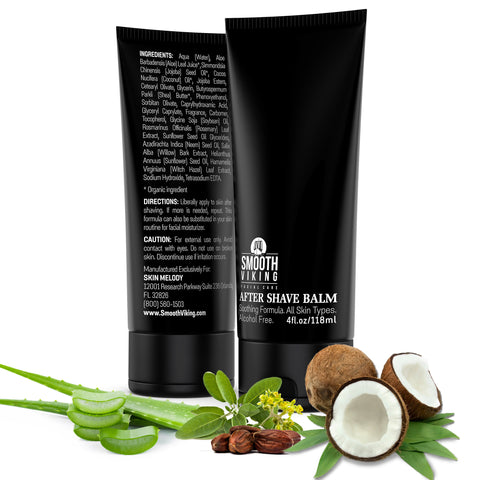
Smooth Viking after shave balm fits this kind of no-fuss ritual: apply it, calm the battlefield, and get on with the day. No 14-step ceremony. No standing in front of the mirror wondering what the tiny jar is for.
Your post-shave finish should feel comfortable enough that you forget about it. Pick a balm that leaves your skin calm, hydrated, and ready to face the day like the blade never stood a chance.